Auracle
A close-up photograph of a student's desk with a hand-drawn graph on paper, a pencil drawing a tangent line to a curve, and a ruler lying nearby. The light is focused and highlights the tools and the precision required for the task.
CoursePublicCreated 26/03/2026

GCSE Mathematics: Lower Tier

GCSE Maths, broken down so it actually makes sense. This covers the entire Lower Tier syllabus, aiming squarely for a solid Grade 4 or 5.

Total Decks
47
Course Completion
0%
0/47 Decks
Answer Language
en-GB
Course Completion
0%
0/47 Decks

Decks in this Course

47 items
A top-down, elegant photograph of a meticulously organized antique wooden desk. On the desk, a vintage German-style perpetual calendar shows a crisp date, next to a polished brass desk clock with Roman numerals, all catching soft, warm light from a window.

GCSE Maths: Place Value and Ordering Numbers

This deck covers the fundamentals of place value for integers and decimals. You'll learn to identify the value of any digit, order positive and negative numbers, and use the inequality symbols correctly.
StudyStudy From HereDetails
A breathtaking close-up photograph of a glistening spiderweb at dawn, covered in countless tiny dew drops, each reflecting the soft golden light of the rising sun. The intricate threads of the web stretch horizontally across the frame, creating delicate patterns and interconnections, with a sense of natural order emerging from the myriad individual droplets.

GCSE Maths: The Order of Operations (BIDMAS)

Learn the conventional order for performing mathematical operations, commonly known as BIDMAS or BODMAS, to ensure calculations are performed correctly.
StudyStudy From HereDetails
The image has a warm, nostalgic feel, reminiscent of an old photograph. The primary focus is on two hands holding a collection of vintage wooden alphabet blocks, bathed in warm sunlight. The background is a blurred interior of a cozy living room, featuring a couch with a colorful quilt, a bookshelf, and potted plants. The color palette consists of warm yellows and oranges, complemented by blues, greens, and reds from the blocks and surrounding room. The composition is a close-up, emphasizing the texture of the hands and the details of the aged blocks. The style leans toward realism, with a soft focus that adds to the sentimental mood.

GCSE Maths: Calculating with Negative Numbers

Master the four operations (add, subtract, multiply, divide) with negative integers, both with and without a calculator.
StudyStudy From HereDetails
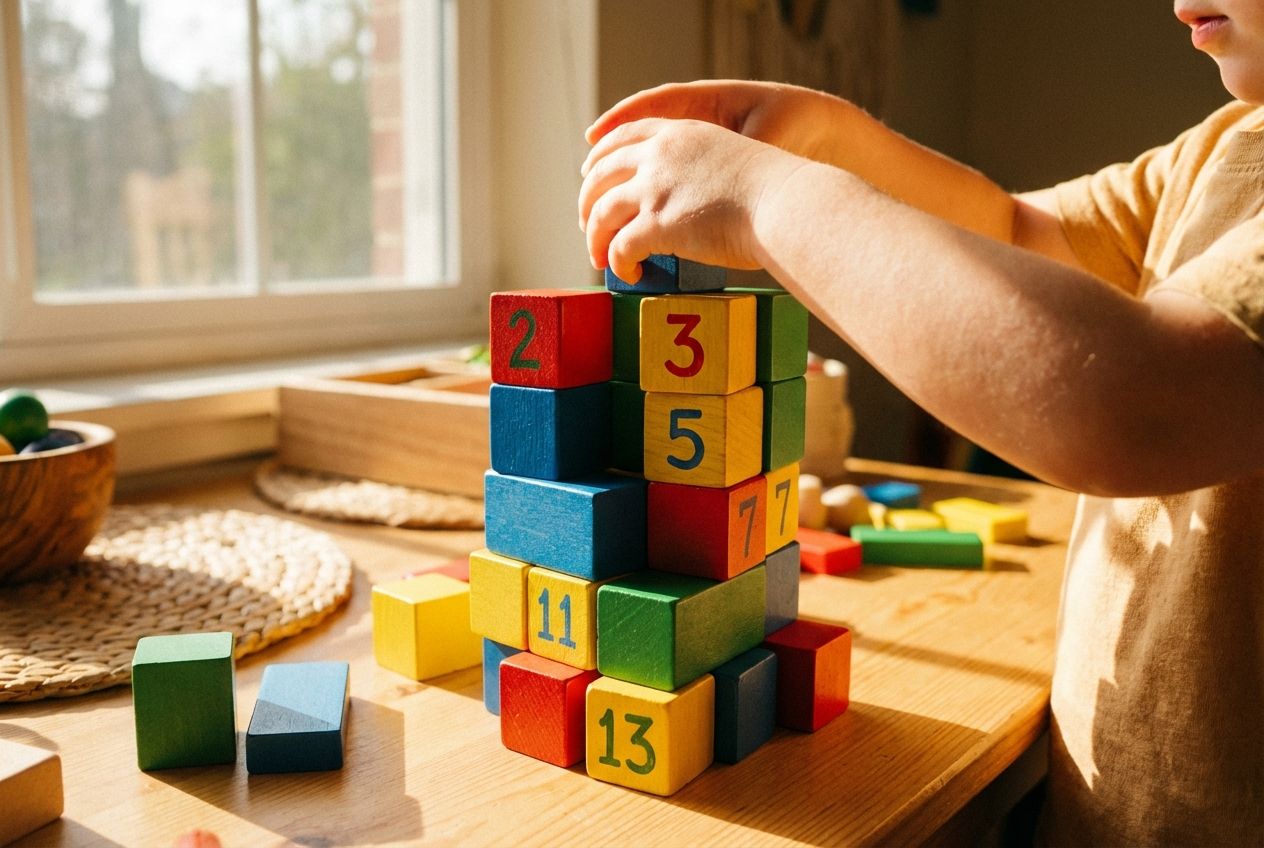
A close-up photograph of a child's hands using colorful wooden blocks to build a tower, some blocks have prime numbers written on them, like 2, 3, 5, and 7. The lighting is warm and inviting, suggesting a playful learning environment.

GCSE Maths: Factors, Multiples and Primes

Learn to identify factors, multiples, and prime numbers. This deck also covers how to express a number as a product of its prime factors, and how to find the Highest Common Factor (HCF) and Lowest Common Multiple (LCM).
StudyStudy From HereDetails
A dramatic, low-angle photograph of the gnarled, deep roots of an ancient tree, firmly anchored in the earth, symbolizing origin and inherent qualities. Soft sunlight filters through the leaves, creating a warm, foundational atmosphere.

GCSE Maths: Powers and Roots

Learn about square numbers, cube numbers, and their corresponding roots. Understand the notation for powers (indices) and calculate with them.
StudyStudy From HereDetails
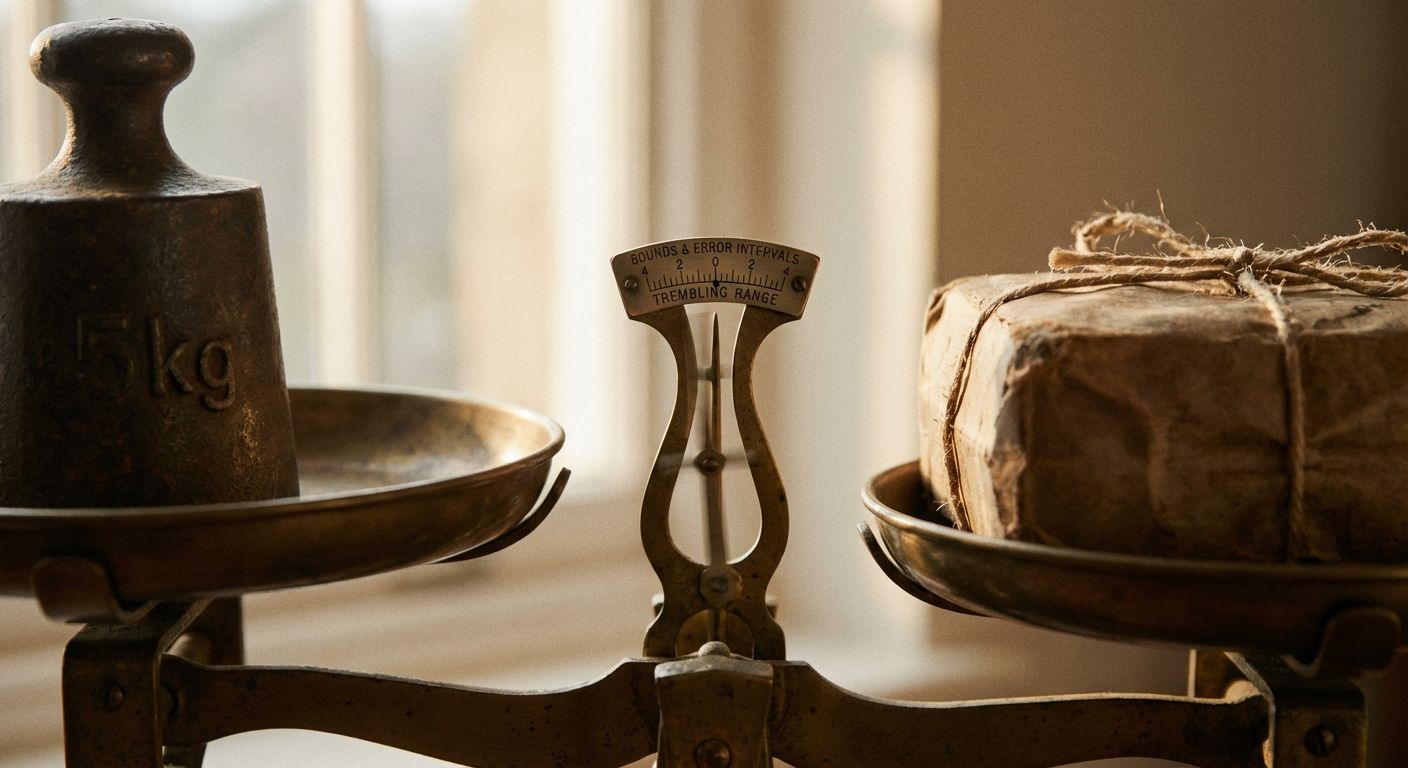
A cinematic close-up of an antique brass balance scale in dramatic, soft light. On one pan rests a 5kg metal weight, while the other holds a small, rustic parcel. The scale's delicate needle is not perfectly still, but subtly oscillates within a narrow, almost imperceptible range around the central balance point, illustrating the concept of bounds and error intervals.

GCSE Maths: Rounding, Estimating and Bounds

Learn to round numbers to a given number of decimal places or significant figures. Use rounding to estimate the answer to a calculation and understand the concept of error intervals (upper and lower bounds).
StudyStudy From HereDetails
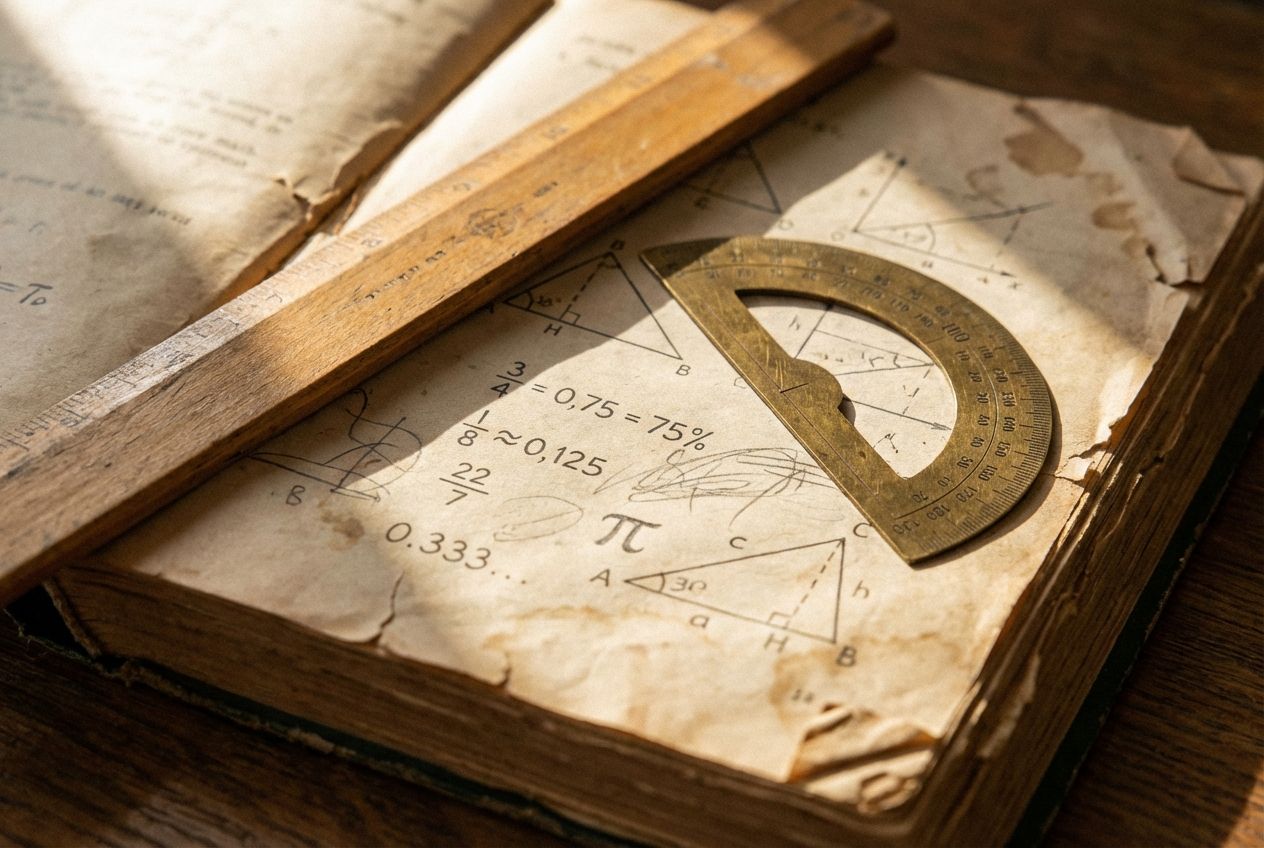
A candid, vibrant photograph of two friends engaged in animated conversation in a bustling traditional German Marktplatz during golden hour. One friend gestures towards an ornate historical fountain in the midground, drawing the other's attention to its intricate details amidst the lively scene. The warm, soft light illuminates the rich architecture and vibrant atmosphere.

GCSE Maths: Understanding and Comparing Fractions

Develop a solid understanding of what fractions represent. Learn to find equivalent fractions, simplify fractions to their lowest terms, and compare their sizes.
StudyStudy From HereDetails
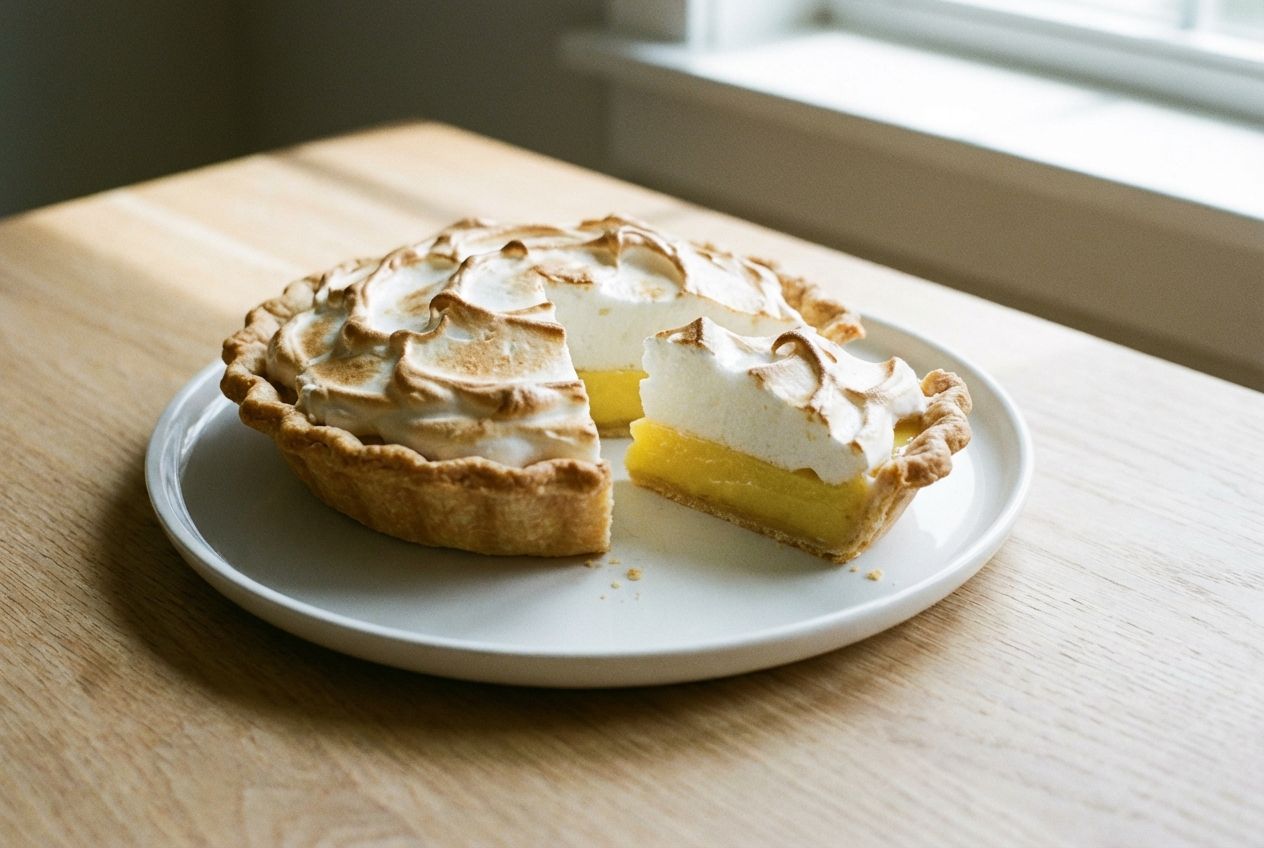
A close-up shot of a protractor and a ruler resting on top of a weathered math textbook, with various fractions, decimals, and percentages scribbled in pencil in the margins around them. The scene is lit with warm, inviting sunlight.

GCSE Maths: Calculating with Fractions

Learn the methods for adding, subtracting, multiplying, and dividing fractions and mixed numbers.
StudyStudy From HereDetails
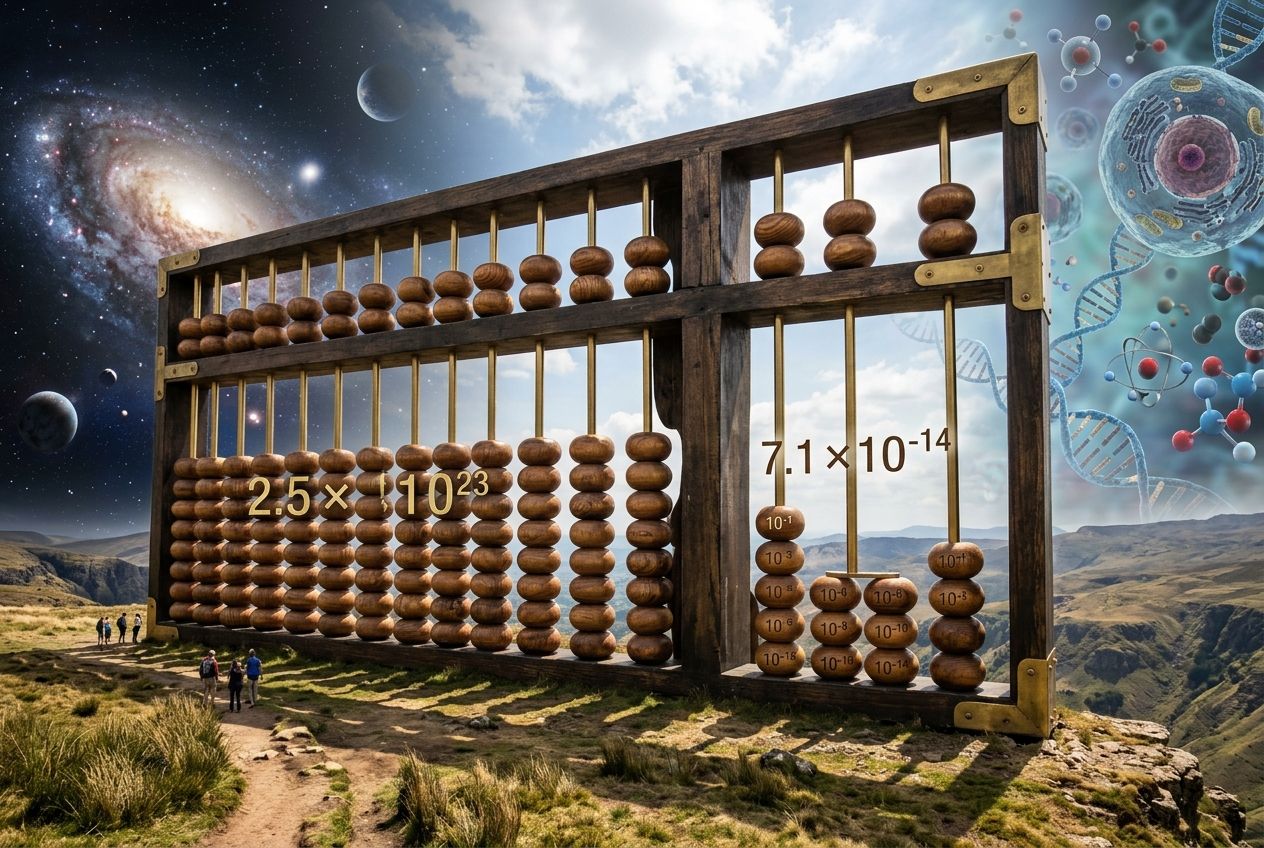
A beautiful, perfectly sliced lemon meringue pie on a minimalist white ceramic plate, placed on a light wooden table. A single, pristine slice is slightly pulled away from the main pie, highlighting the concept of 'parts of a whole'. Soft, natural daylight illuminates the scene, creating subtle shadows and emphasizing the pie's delicate textures. Shot in a 3:2 landscape aspect ratio.

GCSE Maths: Fractions, Decimals and Percentages

Master the essential skill of converting between fractions, decimals, and percentages.
StudyStudy From HereDetails
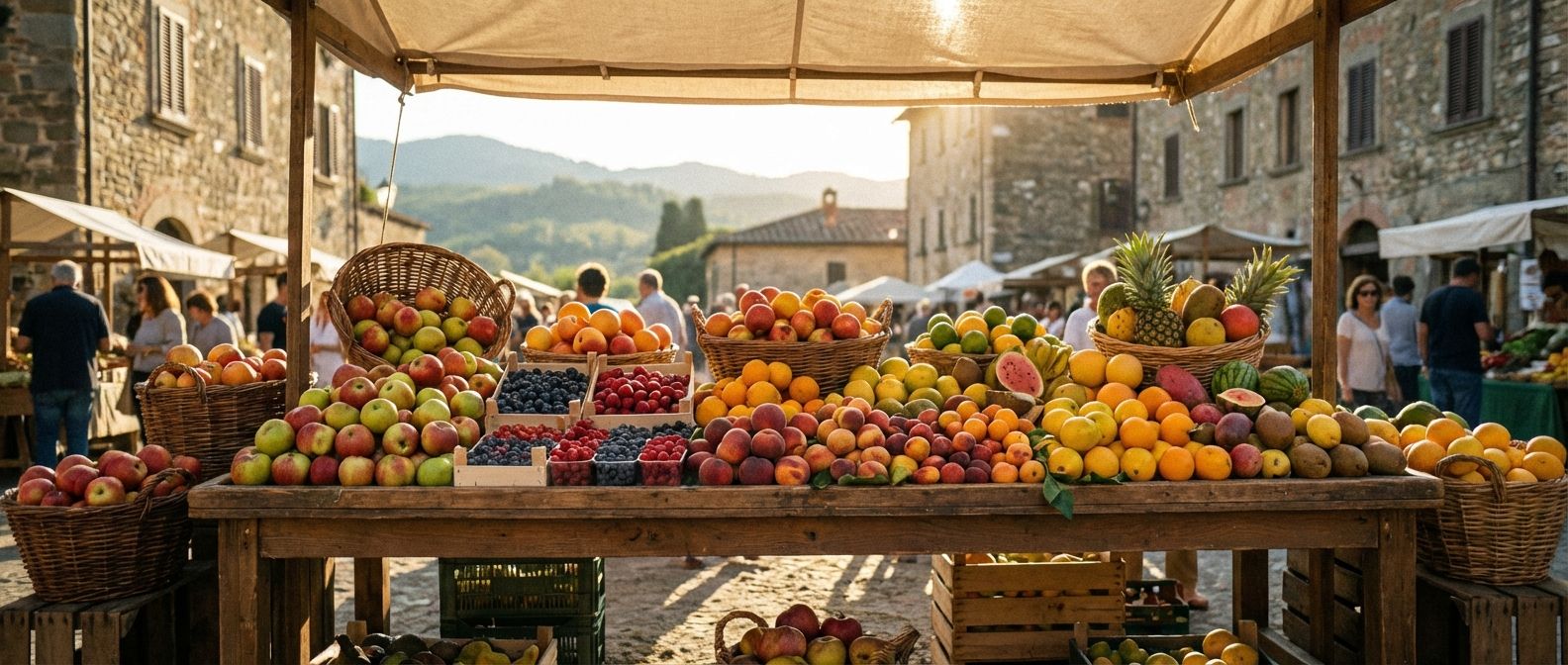
A wide, sunlit landscape featuring an enormous abacus with gleaming brass fittings. The beads are arranged to display both very large and very small numbers in standard form, with a blurred background suggesting the vastness of space and the microscopic world.

GCSE Maths: Introduction to Standard Form

Learn to read, write, and compare very large and very small numbers using standard form (scientific notation).
StudyStudy From HereDetails
A beautiful, wide-angle photograph of a rustic market stall table laden with an abundant, vibrant display of different kinds of fresh fruit, with some fruits neatly grouped together in baskets or piles, bathed in warm natural light.

GCSE Maths: Introduction to Algebra

This deck introduces the fundamental concepts of algebra for GCSE Maths. You will learn what letters represent, the difference between terms, expressions, and equations, and the essential skill of simplifying expressions by collecting like terms and through multiplication.
StudyStudy From HereDetails
A close-up, dramatic photograph of a beautifully wrapped gift, with one corner of the elegant wrapping paper carefully peeled back and a luxurious ribbon artfully untied, hinting at the layers of discovery within. Soft, directional light highlights the textures, composed for a 3:2 landscape frame.

GCSE Maths: Substitution into Formulae

Learn how to substitute numerical values into algebraic expressions and formulae to find their value.
StudyStudy From HereDetails
A dramatic close-up photograph of an intricate, polished metal kinetic sculpture slowly unfolding its geometric segments, revealing complex, interconnected internal mechanisms. The scene is bathed in soft, diffused light, highlighting the precision and systematic expansion of its parts, composed for a 3:2 landscape frame.

GCSE Maths: Expanding and Factorising Single Brackets

Learn the inverse processes of expanding a single bracket and factorising an expression into a single bracket.
StudyStudy From HereDetails
A dramatic high-angle photograph looking down at a modern, straight highway bridge crossing over a winding, older country road or railway line through a lush, green valley. The scene is bathed in the golden light of a sunrise, clearly showing two distinct points where the straight and curved paths visually intersect within the wide, horizontal frame.

GCSE Maths: Solving Basic Linear Equations

Learn to solve one-step and two-step linear equations by using inverse operations to find the value of the unknown. This deck covers the fundamental principles of balancing equations and checking your solutions.

StudyStudy From HereDetails
A dramatic high-angle photograph looking down at a modern, straight highway bridge crossing over a winding, older country road or railway line through a lush, green valley. The scene is bathed in the golden light of a sunrise, clearly showing two distinct points where the straight and curved paths visually intersect within the wide, horizontal frame.

GCSE Maths: Solving Equations with Unknowns on Both Sides

Extend your equation-solving skills to linear equations that have the unknown variable on both sides of the equals sign, including those with brackets and word problems.
StudyStudy From HereDetails
A photograph of an old-fashioned balance scale with mathematical symbols and numbers floating around it, with "x" on one side, slightly unbalanced. The backdrop is a softly lit study with vintage books and a globe.

GCSE Maths: Coordinates and Linear Graphs

Learn to use coordinates in all four quadrants. Understand and plot the graphs of linear functions, and interpret the equation y = mx + c to find the gradient and y-intercept.

StudyStudy From HereDetails
A dramatic wide-angle photograph of a long, empty asphalt road cutting through a vast, desolate landscape at dusk. The road makes a sharp, unexpected hairpin turn in the foreground, with one side of the bend marked by a subtle, glowing boundary line, and the other side by a different, fading mark, indicating critical decision points. The road stretches into the distant horizon, illuminated by the last rays of the setting sun, hinting at infinite possibilities and changes in direction, composed for a 3:2 landscape frame.

GCSE Maths: Linear Sequences and the Nth Term

Learn to recognise linear sequences, also known as arithmetic progressions. You'll find out how to continue them, describe their rules, and derive the all-important formula for the nth term.
StudyStudy From HereDetails
A dramatic, wide-angle photograph of a vintage wooden roller coaster track, featuring a prominent U-shaped dip and an ascending curve. The intricate structure of the tracks winds into the background, suggesting various complex paths, all bathed in the warm light of a setting sun, 3:2 landscape.

GCSE Maths: Interpreting Real-Life Graphs

Learn to interpret and use real-life graphs, such as conversion graphs and distance-time graphs, to find information and solve problems.
StudyStudy From HereDetails
A candid photograph of a German grandmother warmly reading a storybook to two children, who are eagerly listening, gathered around her in a cozy, sunlit living room. The scene beautifully captures the act of giving and receiving attention and stories.

GCSE Maths: Understanding and Using Ratios

Learn to use ratio notation, simplify ratios to their simplest form, and share an amount in a given ratio.
StudyStudy From HereDetails
A close-up, high-angle professional photograph of two hands gracefully exchanging a single, ripe red apple. The hands should be positioned to show a clear, smooth transfer, with soft, natural lighting emphasizing the elegance of the interaction.

GCSE Maths: Direct Proportion and Recipes

Learn the concept of direct proportion and how to solve problems using two key methods: the unitary method and the scaling factor method. This deck focuses on a common real-world application: scaling recipes up or down to serve a different number of people.
StudyStudy From HereDetails
A close-up, dramatic shot of skilled hands meticulously placing vibrant, small mosaic tiles onto a larger pattern, with some sections already completed and others still needing tiles. The light highlights the textures and colors of the tiles, composed for a 3:2 landscape frame.

GCSE Maths: Percentages of Amounts

Learn how to calculate percentages of quantities, both with and without a calculator. This deck covers finding percentages using building blocks like 10% and 1%, using decimal multipliers with a calculator, and how to express one quantity as a percentage of another.
StudyStudy From HereDetails
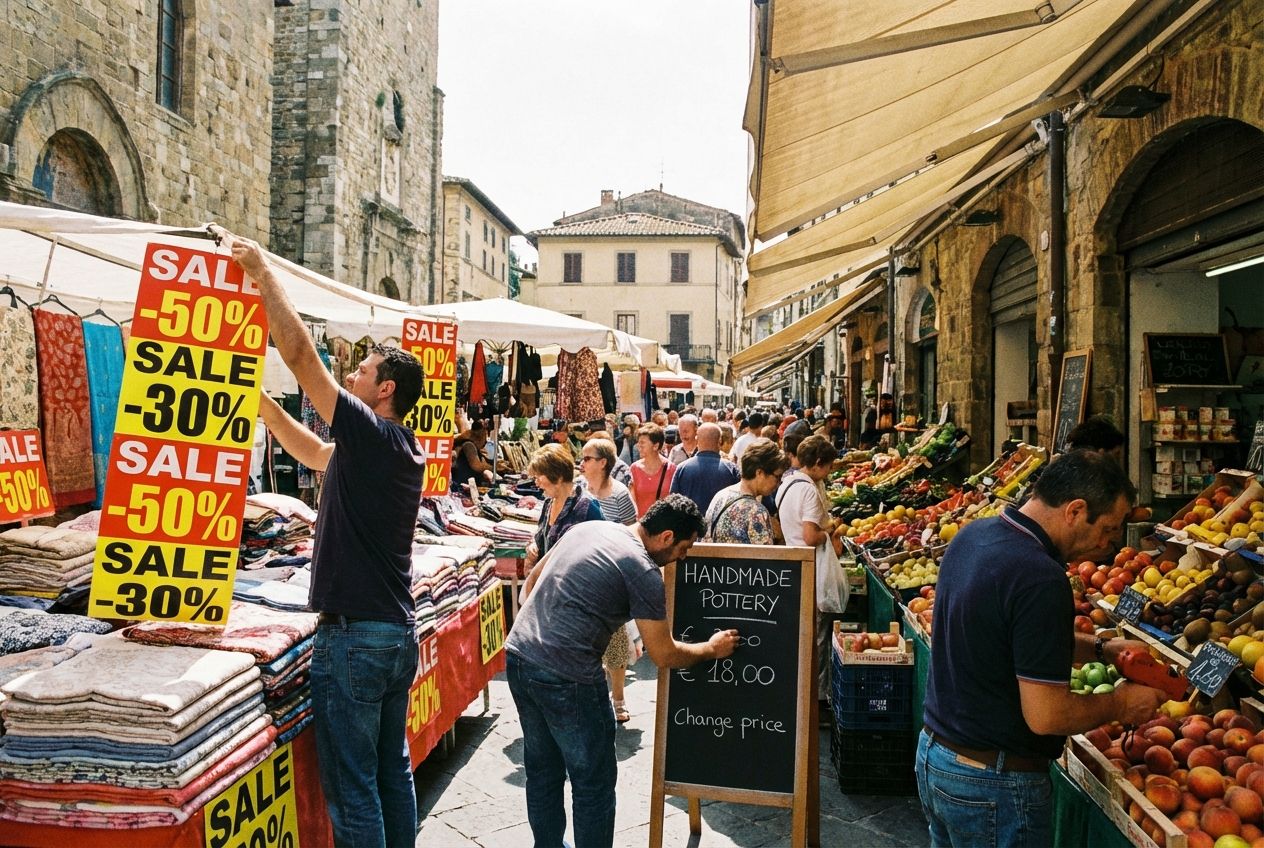
A wide-angle shot of a bustling marketplace with vendors selling various goods. Some items have prominent sale stickers with percentage discounts, while other vendors are adjusting their prices. The scene is filled with vibrant colours and natural lighting, capturing the essence of commerce and price changes.

GCSE Maths: Percentage Change and Simple Interest

Learn to calculate percentage increases and decreases, and to find the new amount after a percentage change. Understand and calculate simple interest.

StudyStudy From HereDetails
A close-up, dramatic photograph of a single, vibrant dandelion puffball in an open field, with its delicate seeds scattering into the air against a soft, sunlit background, symbolizing abstract ideas spreading from a concrete source.

GCSE Maths: Speed, Density and Other Compound Measures

Learn to use the formulae connecting speed, distance and time, as well as density, mass and volume, and solve related problems.

StudyStudy From HereDetails
A dramatic wide-angle photograph of a winding road disappearing into a misty, distant horizon at sunrise, with a vintage, open pocket watch in sharp focus in the foreground, its intricate brass gears gleaming under the soft light.

GCSE Maths: Units of Measure and Conversions

Learn the standard metric units for length, mass, and capacity. Master converting between related metric units and units of time.
StudyStudy From HereDetails
A dramatic, high-angle shot of a complex geometric sculpture made of various 3D shapes (cubes, pyramids, cones, cylinders) casting sharp shadows in a brightly lit gallery.

GCSE Maths: Perimeter and Area of 2D Shapes

Learn to calculate the perimeter of any polygon and the area of common 2D shapes including rectangles, triangles, parallelograms, and trapeziums.
StudyStudy From HereDetails
A dramatic wide-angle photograph of a magnificent, ornate rose window in a grand cathedral, bathed in warm, golden light from the setting sun, casting intricate geometric patterns and defined angles onto the stone floor below, emphasizing its circular structure and precise design.

GCSE Maths: Circumference and Area of a Circle

Learn the terminology of circles (radius, diameter, circumference) and the formulae to calculate the circumference and area of a circle, as well as for semicircles and quarter circles.

StudyStudy From HereDetails
A dramatic, high-angle shot of a complex geometric sculpture made of various 3D shapes (cubes, pyramids, cones, cylinders) casting sharp shadows in a brightly lit gallery.

GCSE Maths: Volume and Surface Area of 3D Shapes

Learn to calculate the volume and surface area of cuboids, prisms, and cylinders.
StudyStudy From HereDetails
A cinematic, high-detail digital illustration of a visionary's studio at dawn. In the foreground, a glowing, translucent holographic blueprint of a futuristic bridge extends from a sleek tablet, symbolizing "Future Plans." Through a massive glass window, a vast, golden horizon stretches out with a path leading toward a rising sun. Wispy, ethereal clouds in the sky subtly swirl into the shape of a magnifying glass over a distant city, representing "Assumptions." The color palette features deep navy blues, vibrant teals, and radiant amber. The composition is clean and modern, with a focus on depth and perspective, signifying progress and intellectual exploration. 8k resolution, sharp focus, professional graphic design style.

GCSE Maths: Plans and Elevations

Learn the definitions of plan, front elevation, and side elevation, and understand how these 2D drawings are used to represent a 3D solid.
StudyStudy From HereDetails
A close-up photograph of a student's desk with a hand-drawn graph on paper, a pencil drawing a tangent line to a curve, and a ruler lying nearby. The light is focused and highlights the tools and the precision required for the task.

GCSE Maths: Basic Angle Facts

Learn the fundamental rules for angles: angles on a straight line, angles around a point, and vertically opposite angles.
StudyStudy From HereDetails
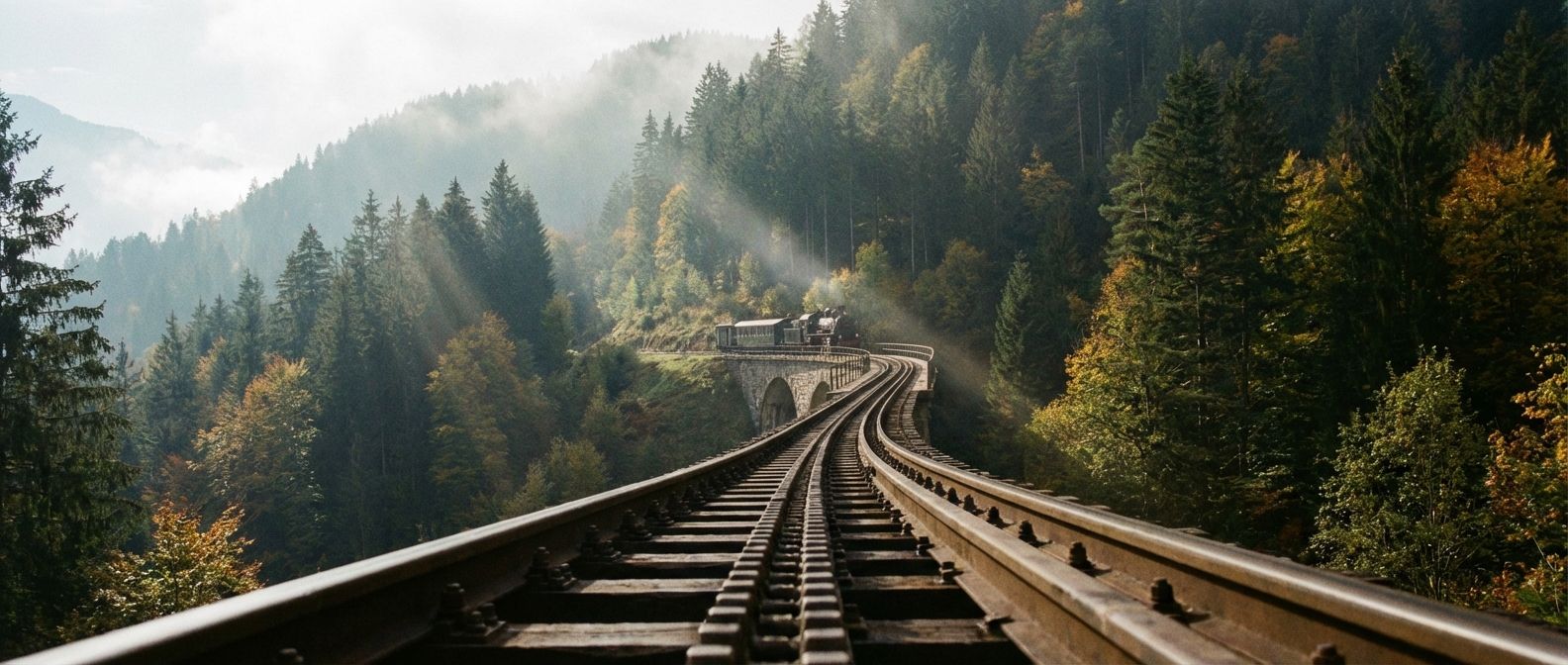
A dramatic wide-angle photograph of parallel railway tracks ascending a steep, forested mountain, with dappled sunlight breaking through the trees. The tracks visibly rise and curve, illustrating gradient and parallel lines, and in the mid-ground, they pass over a sturdy stone bridge, hinting at an 'intercept' point. Majestic and cinematic.

GCSE Maths: Angles in Parallel Lines

Learn to identify and use the properties of alternate, corresponding, and co-interior angles in parallel lines.
StudyStudy From HereDetails
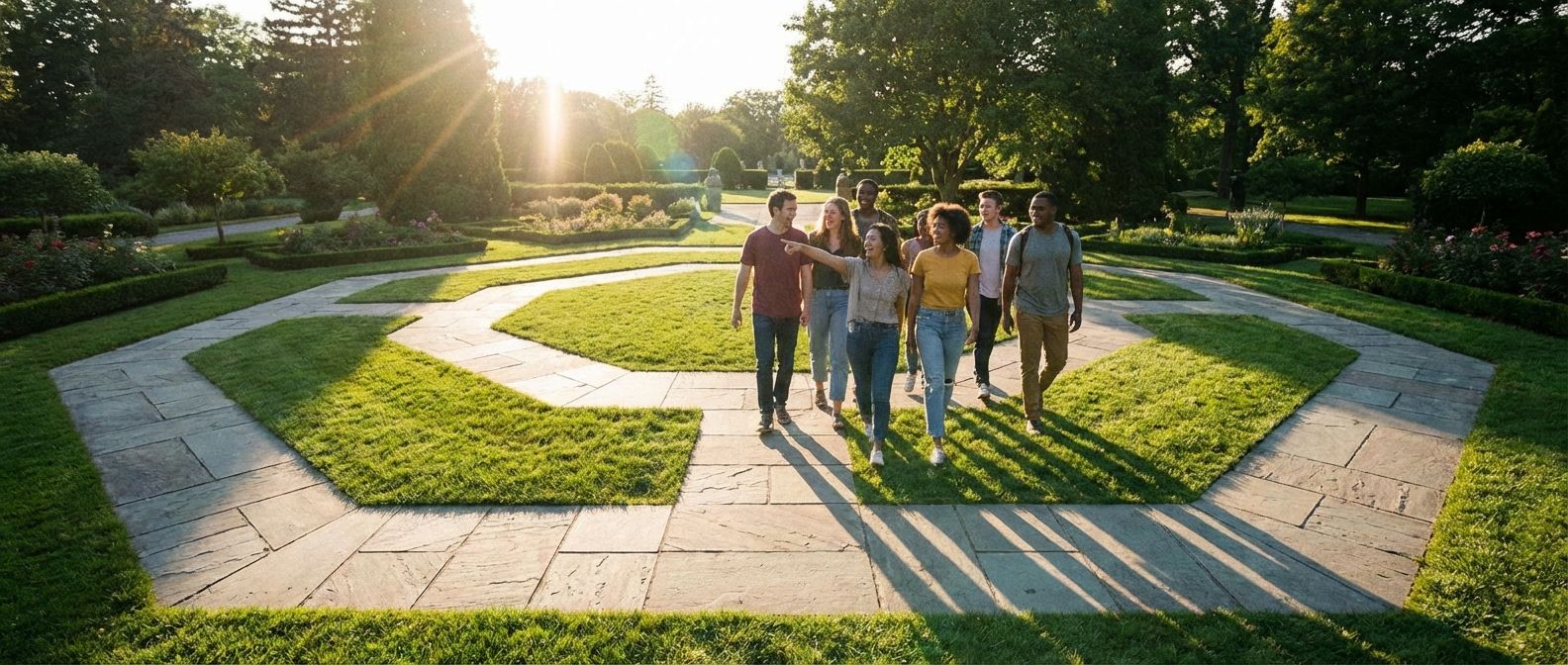
A wide-angle, low-shot photograph of a group of friends walking along a clearly defined, geometrically shaped path, possibly a large pentagon or hexagon, through a beautifully maintained park. The path's sharp corners and straight segments are highlighted by the soft, directional light of a late afternoon sun, casting long shadows that emphasize the angles and turns. The scene evokes a sense of journey and discovery through geometric space.

GCSE Maths: Angles in Polygons

Learn the properties of angles in triangles and quadrilaterals, and how to calculate interior and exterior angles of any regular polygon.
StudyStudy From HereDetails
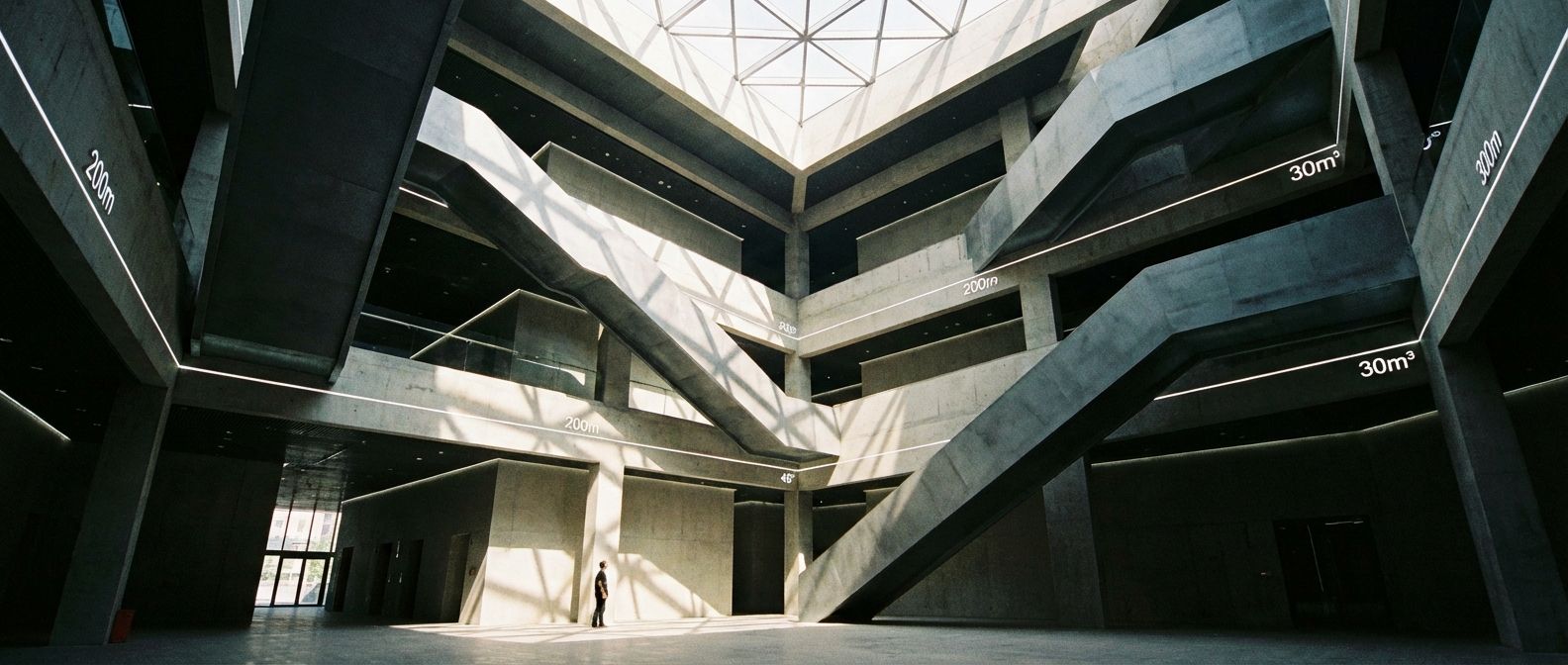
A wide-angle, dramatic photograph looking into the interior of a modern, minimalist building atrium or a large, empty hall. Strong architectural lines form clear right angles and long diagonals, hinting at 2D and 3D measurements within the cuboid space. Sunlight streams in from above, creating sharp shadows and highlighting the geometric forms.

GCSE Maths: Pythagoras' Theorem

Learn Pythagoras' Theorem and how to use it to find the length of a missing side in a right-angled triangle.
StudyStudy From HereDetails
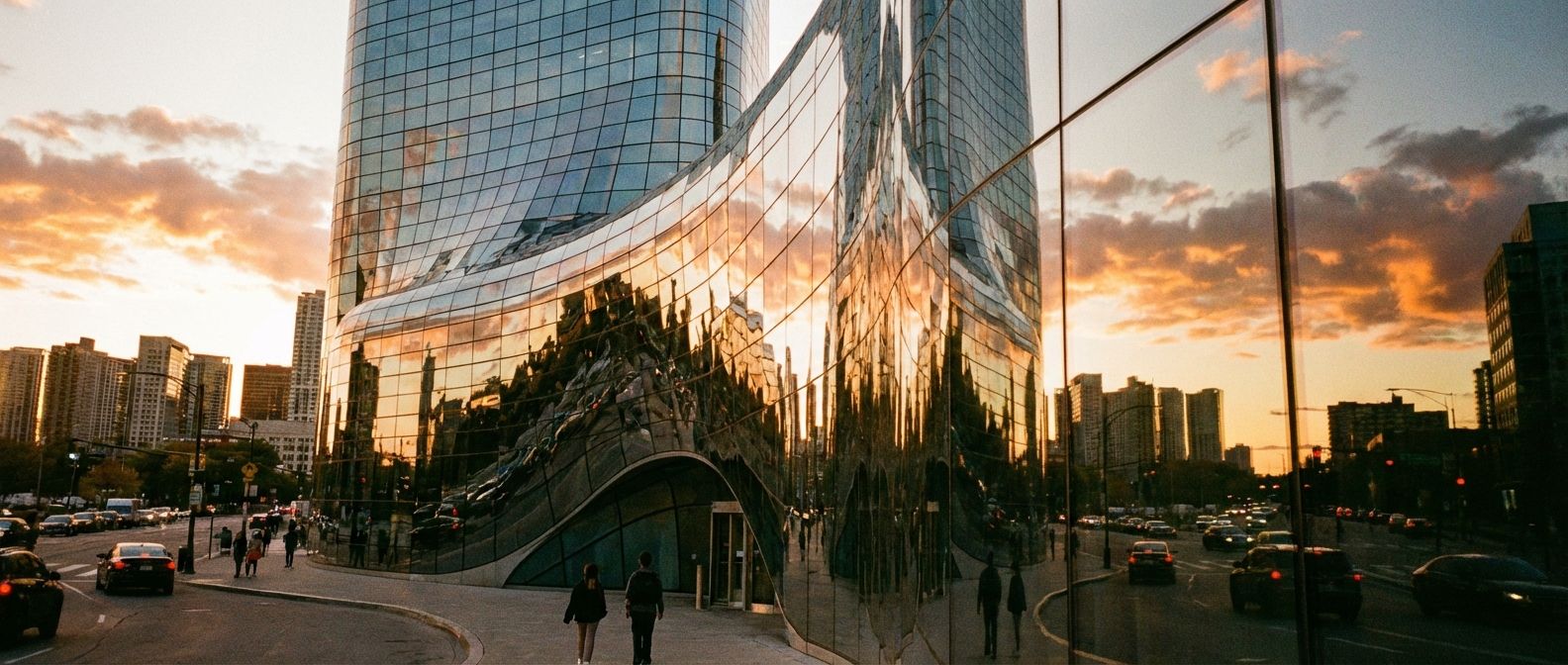
A wide-angle, dramatic photograph of a modern skyscraper with a curved, highly reflective glass facade, creating abstract, stretched, and mirrored reflections of the urban landscape and sky, bathed in golden hour light.

GCSE Maths: Transformations - Reflection, Rotation, Translation

Learn to perform and describe three geometric transformations: reflection, rotation, and translation. This deck covers the essential rules and vocabulary for GCSE Maths.
StudyStudy From HereDetails
A dramatic wide-angle long exposure photograph of a powerful lighthouse beam rotating over a dark, reflective sea at twilight. The light illuminates a distant, small sailing ship moving across the horizon, emphasizing the vast scale and dynamic transformations of the ocean.

GCSE Maths: Transformations - Enlargement

Learn to perform and describe enlargements of 2D shapes from a centre of enlargement by a positive integer scale factor.
StudyStudy From HereDetails
A grand passenger ship navigates through calm, open ocean waters at sunrise, with the sun's golden rays striking the water, creating a clear sense of direction and a vast journey ahead. A distant island or coastline is subtly visible on the horizon. Shot from a low angle, emphasizing the ship's scale and the expanse of the sea, in a dramatic 3:2 landscape photograph.

GCSE Maths: Bearings

Learn the three rules for measuring and interpreting bearings, and how to calculate a return bearing. Bearings are used in navigation to describe direction.
StudyStudy From HereDetails
A breathtaking wide-angle photograph of a river delta at golden hour, with multiple streams branching and merging across a lush, verdant landscape, bathed in warm, soft sunlight. The intricate network of waterways flows towards the horizon, symbolizing branching possibilities and overlapping events in a 3:2 landscape frame.

GCSE Maths: Introduction to Probability

Learn the fundamental concepts of probability, including the language used to describe likelihood, the probability scale from 0 to 1, and how to calculate the probability of a single event.
StudyStudy From HereDetails
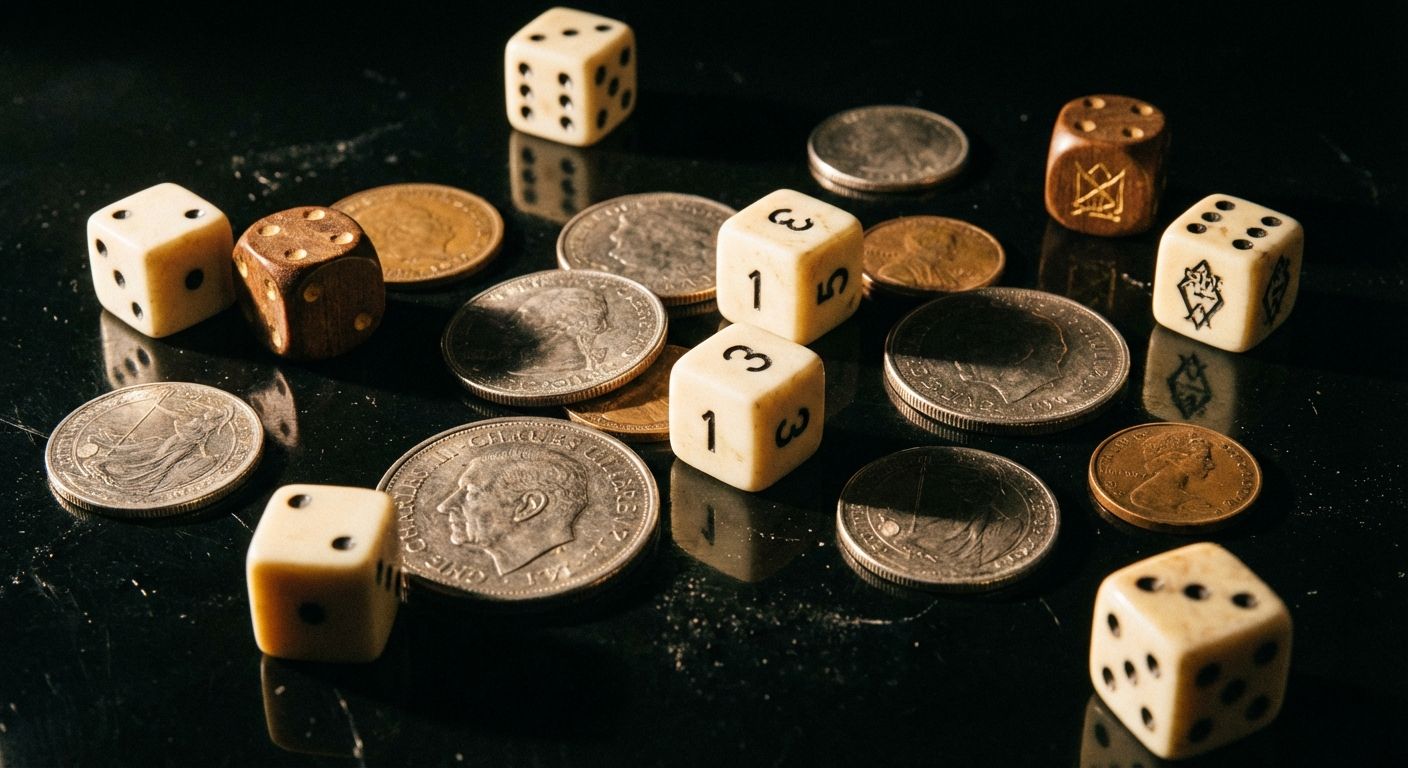
A close-up shot of a triple-beam balance, with a small pile of brightly colored chemical powder on one side and several shiny, identical metal spheres on the other, balanced perfectly. The scene is lit with soft, diffused light, highlighting the textures of the powder and the metal.

GCSE Maths: Relative Frequency and Expected Outcomes

Learn to calculate relative frequency from experimental data and use it to find the expected number of outcomes in a series of trials.
StudyStudy From HereDetails
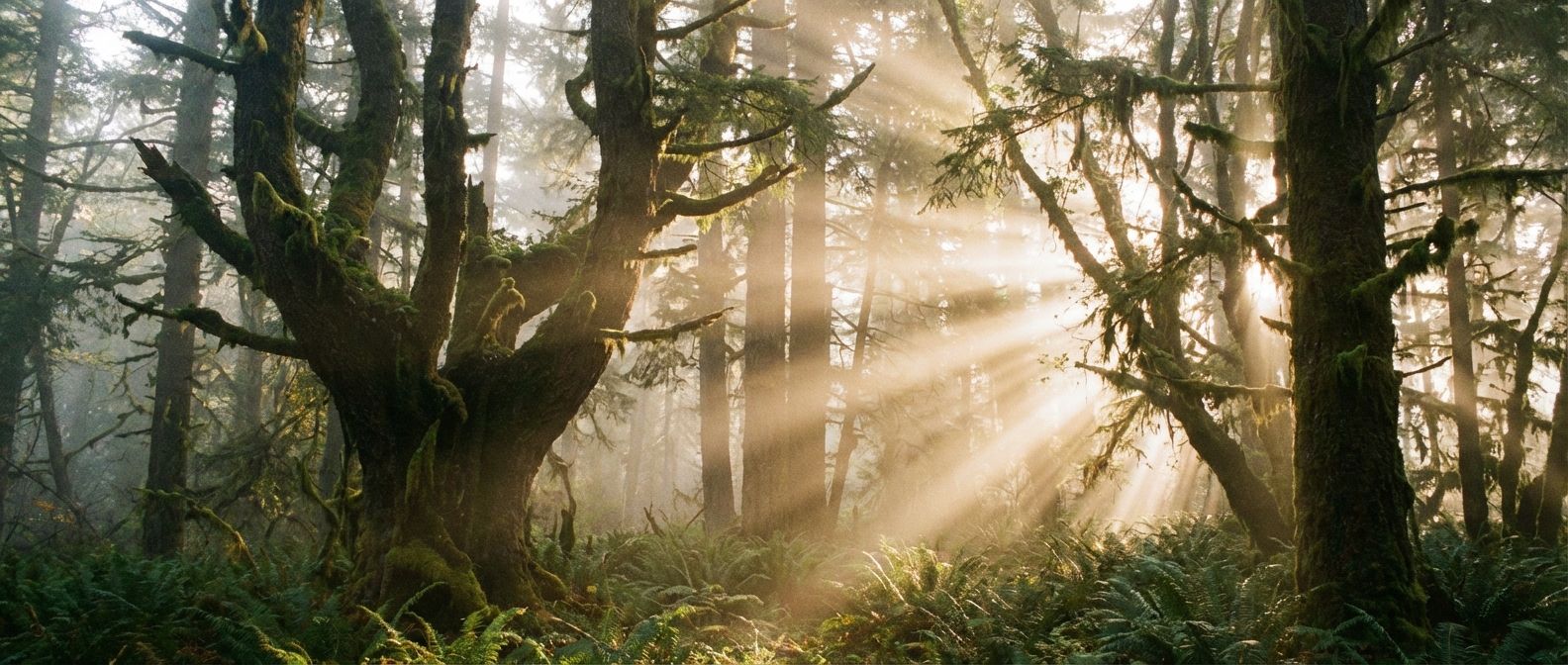
A dramatic, close-up photograph captures several dice and coins scattered across a dark, reflective surface, some dice displaying different numbers while coins show heads or tails. A single, focused light source highlights the metallic gleam and sharp edges, casting dynamic shadows and emphasizing the random yet distinct outcomes.

GCSE Maths: Listing Outcomes and Sample Spaces

Learn to list all possible outcomes for one or more events in a systematic way, using lists, tables, and sample space diagrams.
StudyStudy From HereDetails
A wide-angle, dramatic photograph of ancient, towering trees in a dense forest, with powerful golden sunbeams piercing through a thick morning mist, illuminating dust motes and creating an ethereal, awe-inspiring scene of natural wonder and creation.

GCSE Maths: Basic Probability Trees

Learn to use tree diagrams to represent the outcomes of two or more independent events and to calculate their probabilities.
StudyStudy From HereDetails
A wide-angle photograph of a cozy living room, bathed in warm, natural light. On the left, a fluffy cat is curled up alone on an armchair, observing. On the right, a playful dog is chewing a toy by itself on a rug. In the center, a cat and a dog are gently nuzzling each other on the floor, showing affection and peaceful coexistence.

GCSE Maths: Basic Venn Diagrams

Learn to organise data into a Venn diagram and use it to answer questions about the data, including basic probability.

StudyStudy From HereDetails
A breathtaking close-up photograph of a glistening spiderweb at dawn, covered in countless tiny dew drops, each reflecting the soft golden light of the rising sun. The intricate threads of the web stretch horizontally across the frame, creating delicate patterns and interconnections, with a sense of natural order emerging from the myriad individual droplets.

GCSE Maths: Data Types and Collection

Learn about different types of data (qualitative, quantitative, discrete, continuous) and methods for collecting it, including primary and secondary sources, and the design of data collection sheets.
StudyStudy From HereDetails
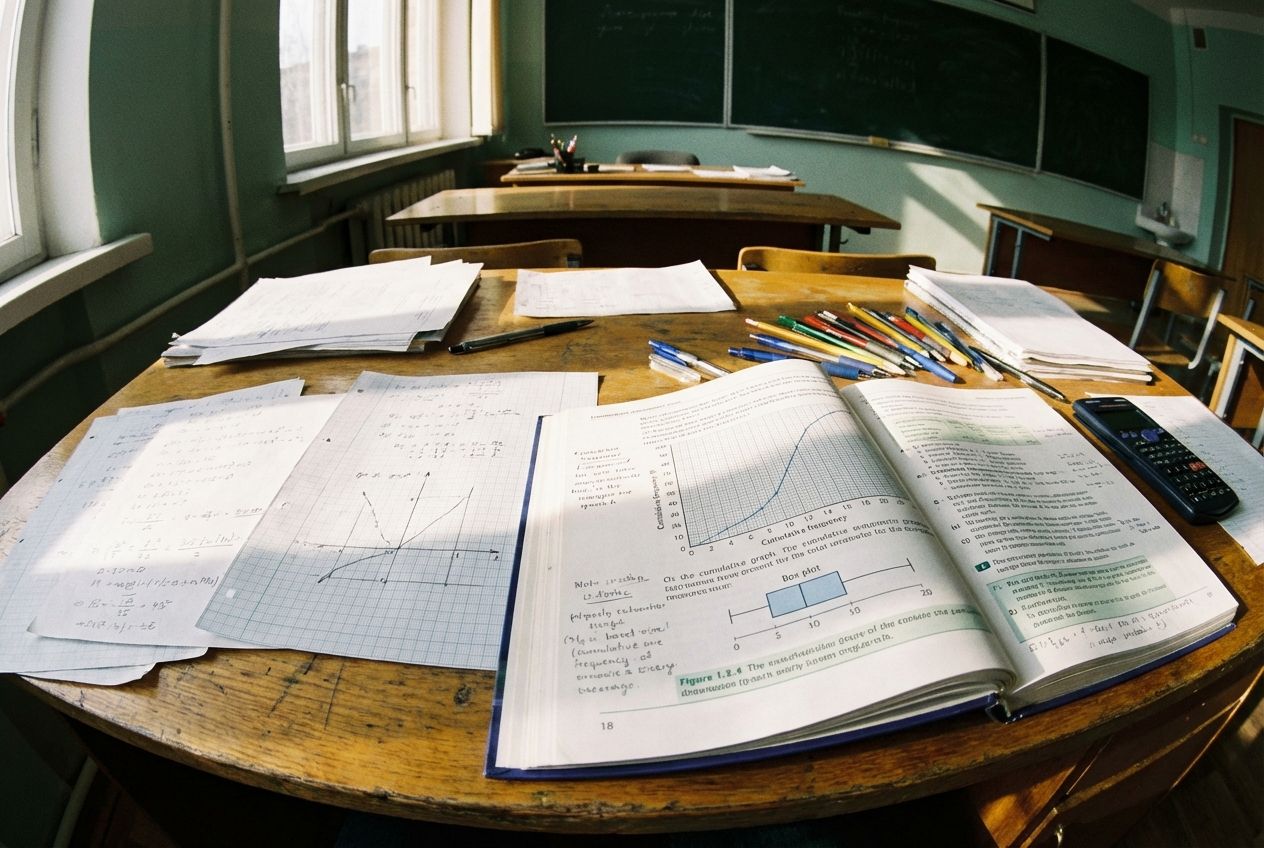
A wide-angle photograph of a classroom desk covered in handwritten notes and graphing paper, with a textbook open to a page displaying a cumulative frequency graph and a box plot diagram. Sunlight streams through a nearby window, illuminating the intricate details of the graphs and the textures of the paper and writing utensils.

GCSE Maths: Frequency and Two-Way Tables

This deck teaches you how to organise raw data. You will learn to construct and interpret tally charts, frequency tables, and two-way tables, which are fundamental tools for statistical analysis in GCSE Maths.
StudyStudy From HereDetails
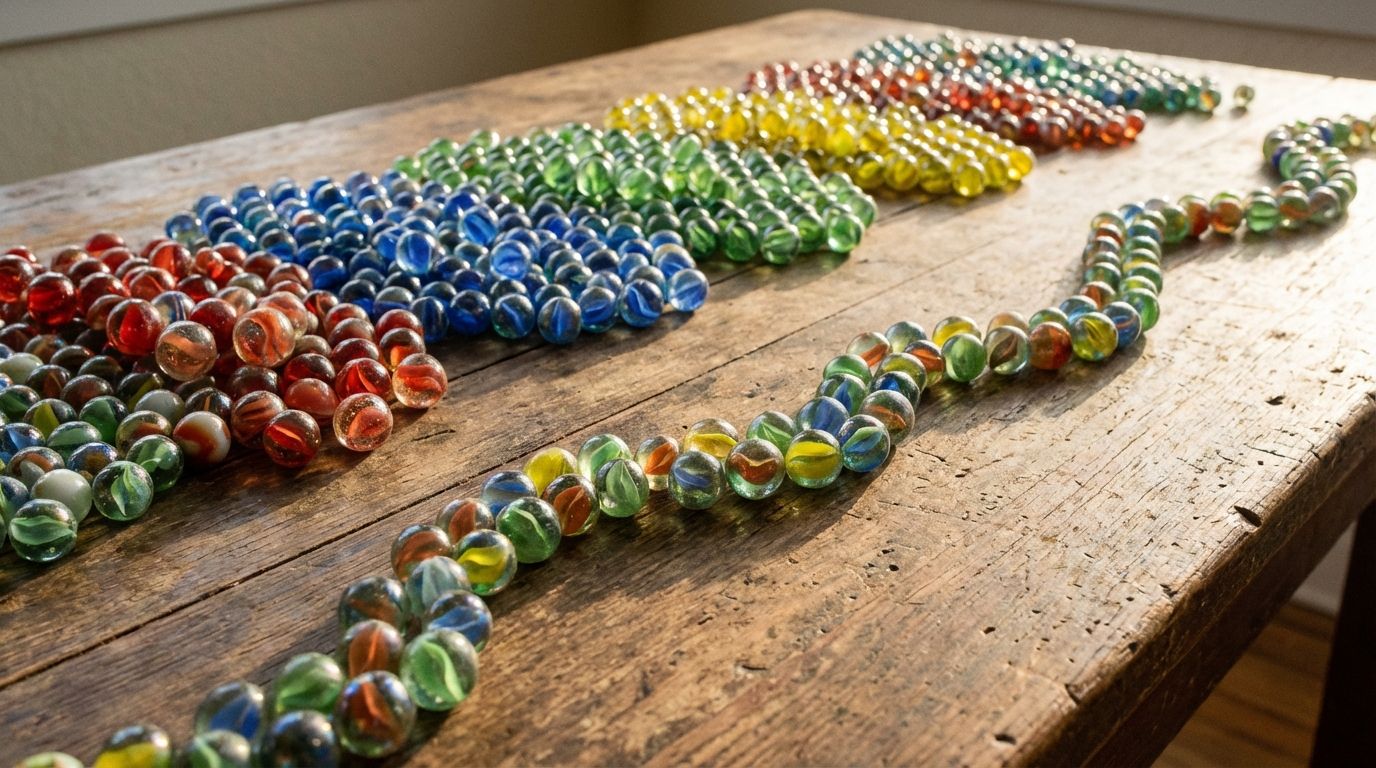
A dramatic, wide-angle close-up photograph of a vibrant collection of antique glass marbles in various sizes and colors, meticulously arranged into distinct, colourful groupings on a rustic wooden table. A subtle, gently sloping line of marbles curves across the foreground, hinting at data trends over time. Soft, warm sunlight illuminates the scene, casting long, delicate shadows and highlighting the unique textures.

GCSE Maths: Bar Charts and Pictograms

Learn to interpret and understand the key features of pictograms, bar charts, and line graphs. This deck covers how to read data from these diagrams, including understanding keys, axes, and trends, and explains the type of data each is used for.

StudyStudy From HereDetails
A dramatic close-up, 3:2 landscape photograph of a vintage brass protractor and compass meticulously arranged on a dark, polished wooden surface, with a single, sharp beam of sunlight cutting across them, highlighting their intricate details and casting long shadows. The scene evokes precision and foundational geometry.

GCSE Maths: Pie Charts

Learn how to construct a pie chart from a frequency table and how to interpret information from a given pie chart.

StudyStudy From HereDetails
A dramatic, wide-angle photograph of a vintage wooden roller coaster track, featuring a prominent U-shaped dip and an ascending curve. The intricate structure of the tracks winds into the background, suggesting various complex paths, all bathed in the warm light of a setting sun, 3:2 landscape.

GCSE Maths: Scatter Graphs and Correlation

Learn to draw and interpret scatter graphs to see if there is a relationship (correlation) between two variables, and how to use a line of best fit to make estimates.
StudyStudy From HereDetails
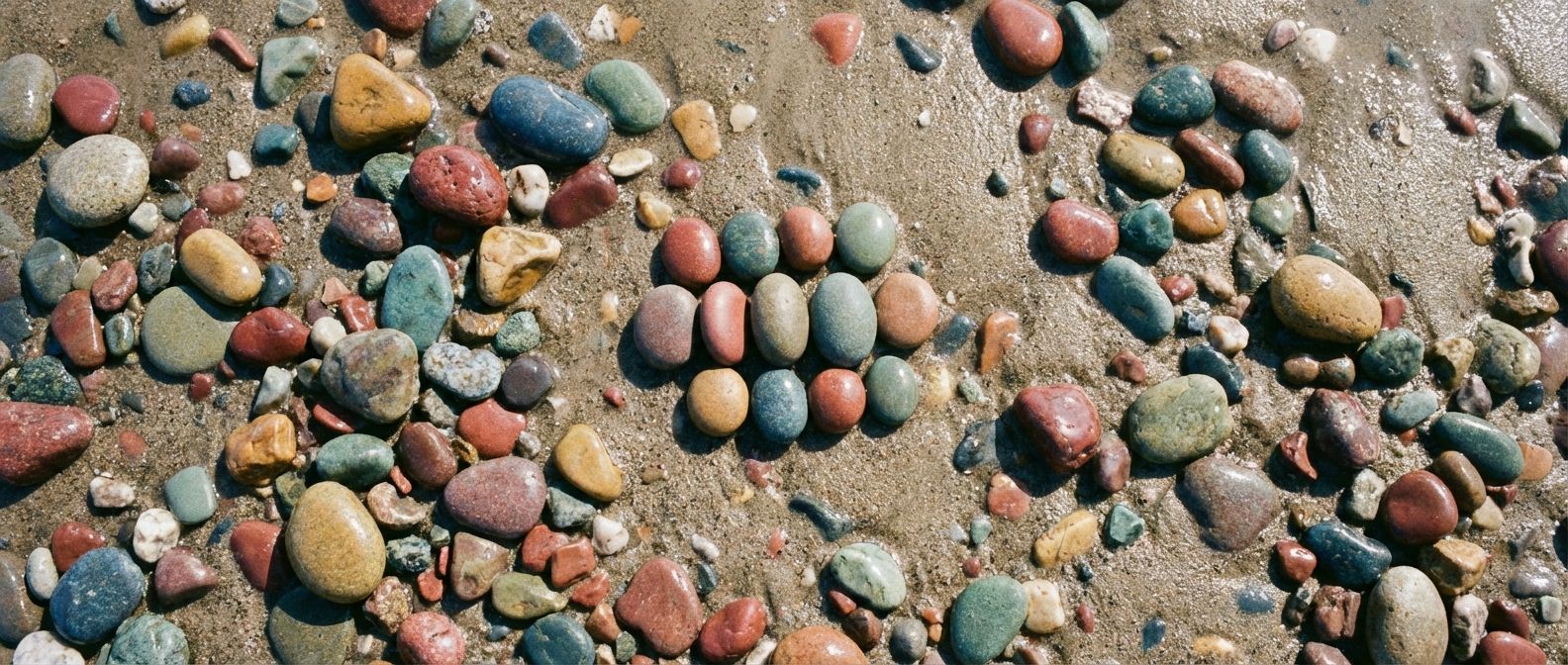
A wide, horizontal close-up photograph captures a vibrant array of smooth, naturally varied pebbles and stones scattered across a wet, sandy beach. The composition showcases a clear range of sizes and colors, with a subtle cluster of similar, rounded stones near the center, beautifully representing concepts of spread and average in data.

GCSE Maths: Averages and Range from a List

Learn to calculate the three main averages (mean, median, mode) and the range for a set of discrete data.
StudyStudy From HereDetails
This is a wide-angle shot of a narrow, cobblestone street in a European-style town at dusk. Buildings with beige or light brown facades line both sides of the street, featuring stone accents, small balconies with black iron railings, and flower pots. A warm, golden light emanates from the windows of some buildings, particularly one in the foreground where a person is working on a laptop, a bookshelf illuminated behind them. The street is subtly lit by glowing street lamps. A few people are walking down the street in the distance. The sky is a blend of blue and orange, suggesting the sun has recently set. The overall style is realistic with a focus on capturing the ambiance of a historic town.

GCSE Maths: Averages from Frequency Tables

Master the techniques for finding key statistical averages—mode, median, and mean—from both discrete and grouped frequency tables. This deck breaks down the methods step-by-step, focusing on the concepts behind the calculations.

StudyStudy From HereDetails

Learn GCSE Mathematics: Lower Tier differently

Auracle is an audio-first learning platform built for busy people. Memorize anything without looking at a screen.

Hands-Free Learning

Listen, interact, and review cards entirely through audio. Perfect for commuting, walking, or at the gym.

Spaced Repetition

Auracle uses a scientific algorithm to schedule your reviews at the optimal time, ensuring you never forget what you learn.

Learn how it works

Ready to start the GCSE Mathematics: Lower Tier audio course?