Auracle
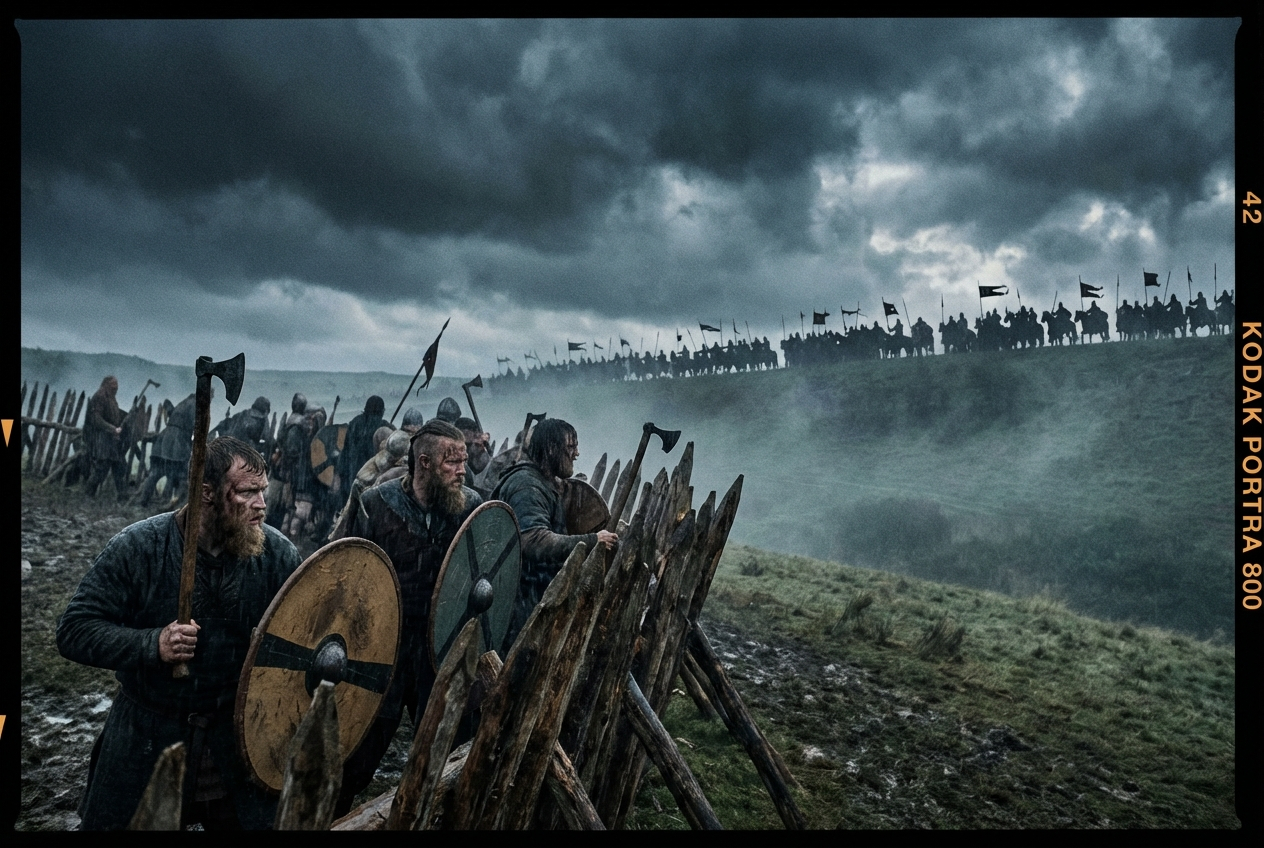
A dramatic, wide-angle photograph captures the tension of impending conflict. In the foreground, a group of Anglo-Saxon warriors, armed with round shields and axes, stand ready behind a sturdy wooden palisade on a hill. In the misty distance, the silhouette of a Norman cavalry charge is just visible on the horizon, under a dramatic, cloudy sky, composed for a 3:2 landscape frame.
CoursePublicCreated 26/03/2026

GCSE History (Edexcel): Anglo-Saxon and Norman England, c1060–88

All the key knowledge for your Edexcel GCSE History exam on Anglo-Saxon and Norman England, from the death of Edward the Confessor to the Domesday Book.

Total Decks
3
Course Completion
0%
0/3 Decks
Answer Language
en-GB
Course Completion
0%
0/3 Decks

Decks in this Course

3 items
A dramatic, wide-angle photograph captures the tension of impending conflict. In the foreground, a group of Anglo-Saxon warriors, armed with round shields and axes, stand ready behind a sturdy wooden palisade on a hill. In the misty distance, the silhouette of a Norman cavalry charge is just visible on the horizon, under a dramatic, cloudy sky, composed for a 3:2 landscape frame.

GCSE History: Anglo-Saxon England and the Norman Conquest, 1060–66

This deck covers the state of Anglo-Saxon England before the conquest, including its government, society, and economy. It details the succession crisis following Edward the Confessor's death, introducing the rival claimants to the throne. The deck covers the key battles of 1066: Gate Fulford, Stamford Bridge, and Hastings, culminating in an analysis of why William won.
StudyStudy From HereDetails
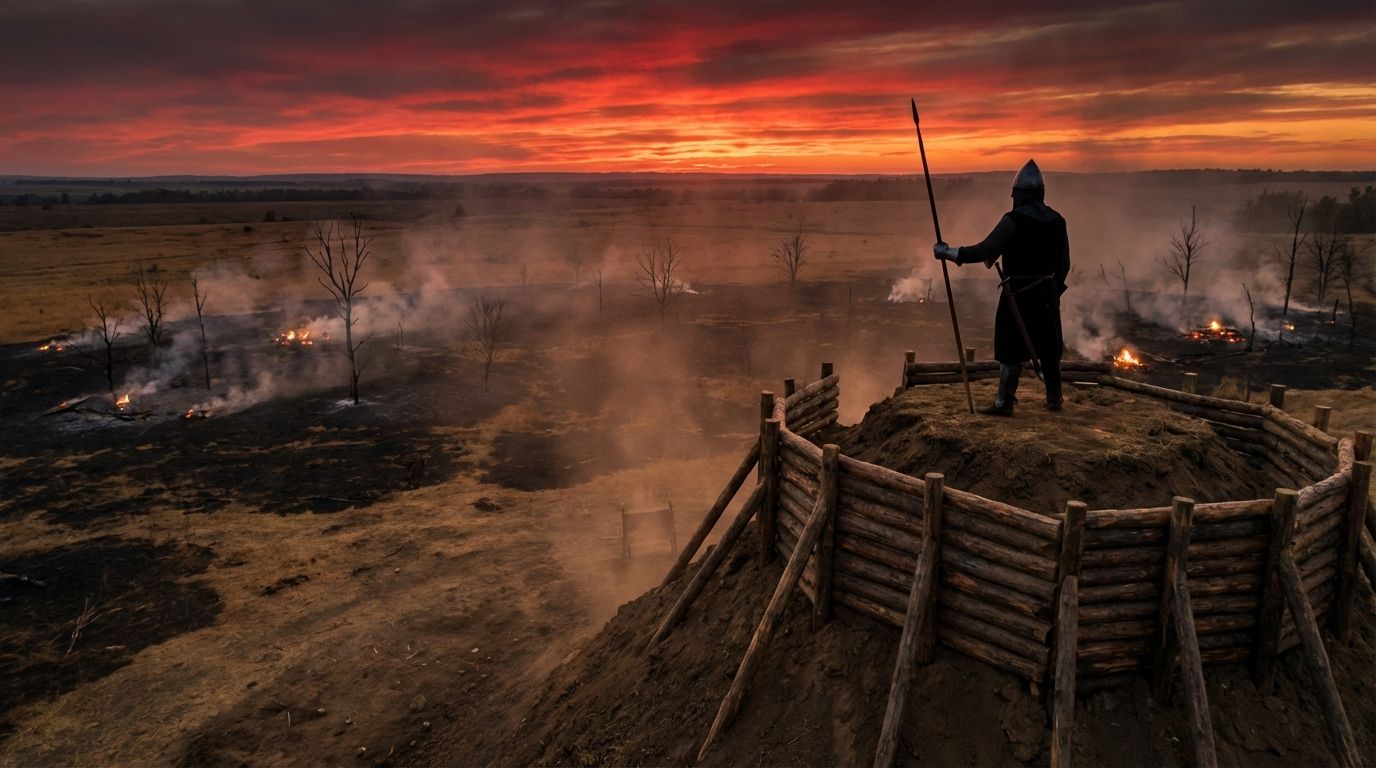
A dramatic wide-angle photograph of a lone Norman knight, silhouetted against a stark, red-tinged sunset, standing atop a newly erected motte and bailey castle. The knight gazes over a vast, scorched, and desolate landscape stretching to the horizon, evoking the brutal aftermath of conquest and the imposition of a new, ruthless power.

GCSE History: William I in power: securing the kingdom, 1066–87

This deck covers William I's consolidation of power after the Battle of Hastings. It examines his methods of control, such as the submission of the earls, rewarding followers, and building castles. It then focuses on the significant Anglo-Saxon resistance movements between 1068 and 1071, the brutal Harrying of the North, changes in landownership, and concludes with the Revolt of the Earls in 1075.
StudyStudy From HereDetails
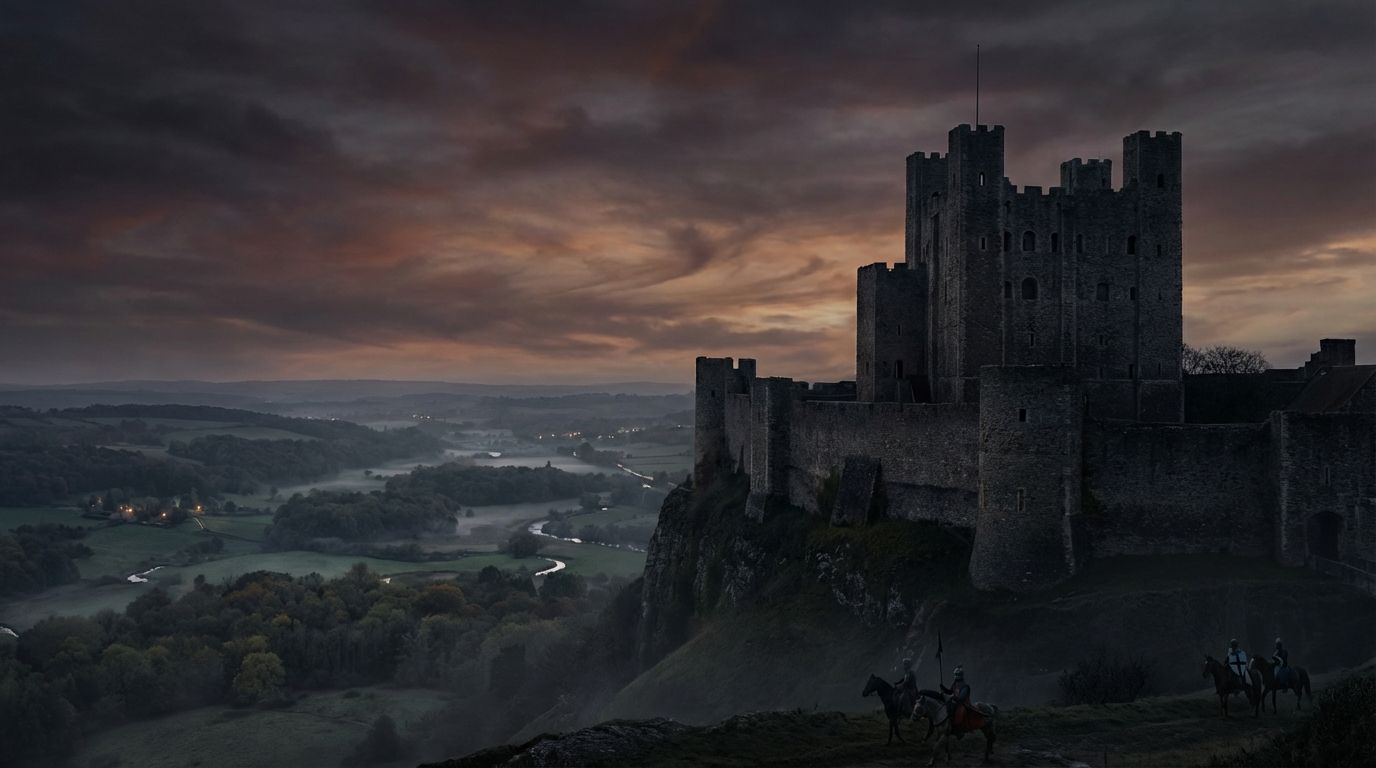
A dramatic wide-angle photograph of a formidable Norman castle, its towering stone walls and keep silhouetted against a brooding, dramatic sky at dusk. Below, a vast, misty English landscape stretches into the distance, hinting at the controlled territories and royal forests, conveying the immense power and new social order established by William I.

GCSE History: Norman England, 1066–88

This deck explores the new Norman society and government established by William I, covering the feudal system, the Normanisation of the Church, the Domesday Book, and the disputed succession after William's death.

StudyStudy From HereDetails

Learn GCSE History (Edexcel): Anglo-Saxon and Norman England, c1060–88 differently

Auracle is an audio-first learning platform built for busy people. Memorize anything without looking at a screen.

Hands-Free Learning

Listen, interact, and review cards entirely through audio. Perfect for commuting, walking, or at the gym.

Spaced Repetition

Auracle uses a scientific algorithm to schedule your reviews at the optimal time, ensuring you never forget what you learn.

Learn how it works

Ready to start the GCSE History (Edexcel): Anglo-Saxon and Norman England, c1060–88 audio course?