Auracle
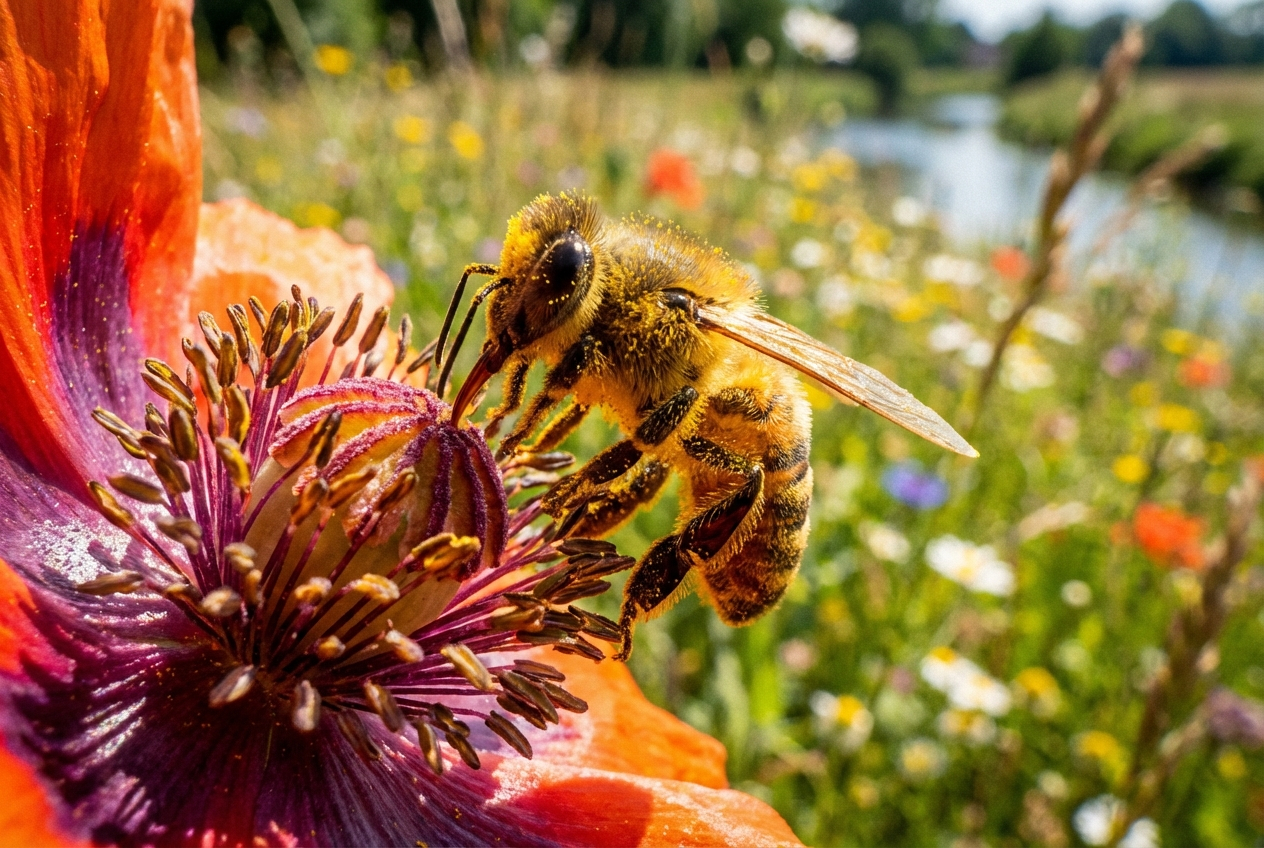
A dramatic, close-up photograph of a honeybee actively gathering nectar from a vibrant, richly colored flower, its fuzzy body and tiny legs dusted with bright yellow pollen. The background is a beautifully blurred bokeh of a lush, sun-drenched meadow, subtly hinting at the wider ecosystem and the interplay of living and non-living factors, composed for a wide 3:2 landscape frame.
CoursePublicCreated 27/03/2026

GCSE Biology (AQA): Paper 2

All the content for AQA GCSE Biology Paper 2 – homeostasis, genetics, ecology – drilled into your memory. This covers the entire spec, including all Higher Tier material and required practicals.

Total Decks
22
Course Completion
0%
0/22 Decks
Answer Language
en-GB
Course Completion
0%
0/22 Decks

Decks in this Course

22 items
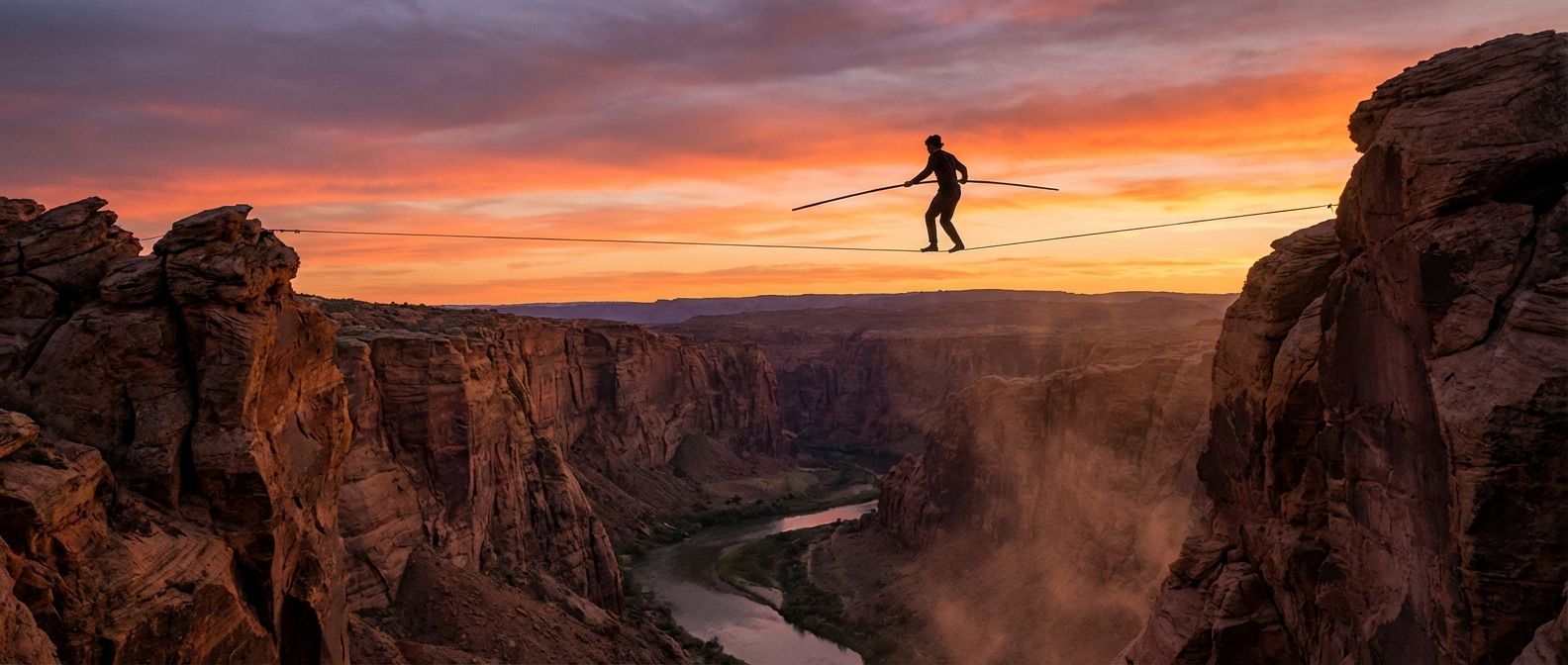
A dramatic wide shot of a lone tightrope walker gracefully balancing across a vast canyon at sunset, illustrating the intricate control and precision required to maintain stability and react to the environment.

AQA GCSE Biology: Homeostasis & The Nervous System

This deck covers the fundamental principles of homeostasis, including receptors, coordination centres, and effectors. It details the structure and function of the human nervous system, including the CNS, neurones, synapses, and the reflex arc.
StudyStudy From HereDetails
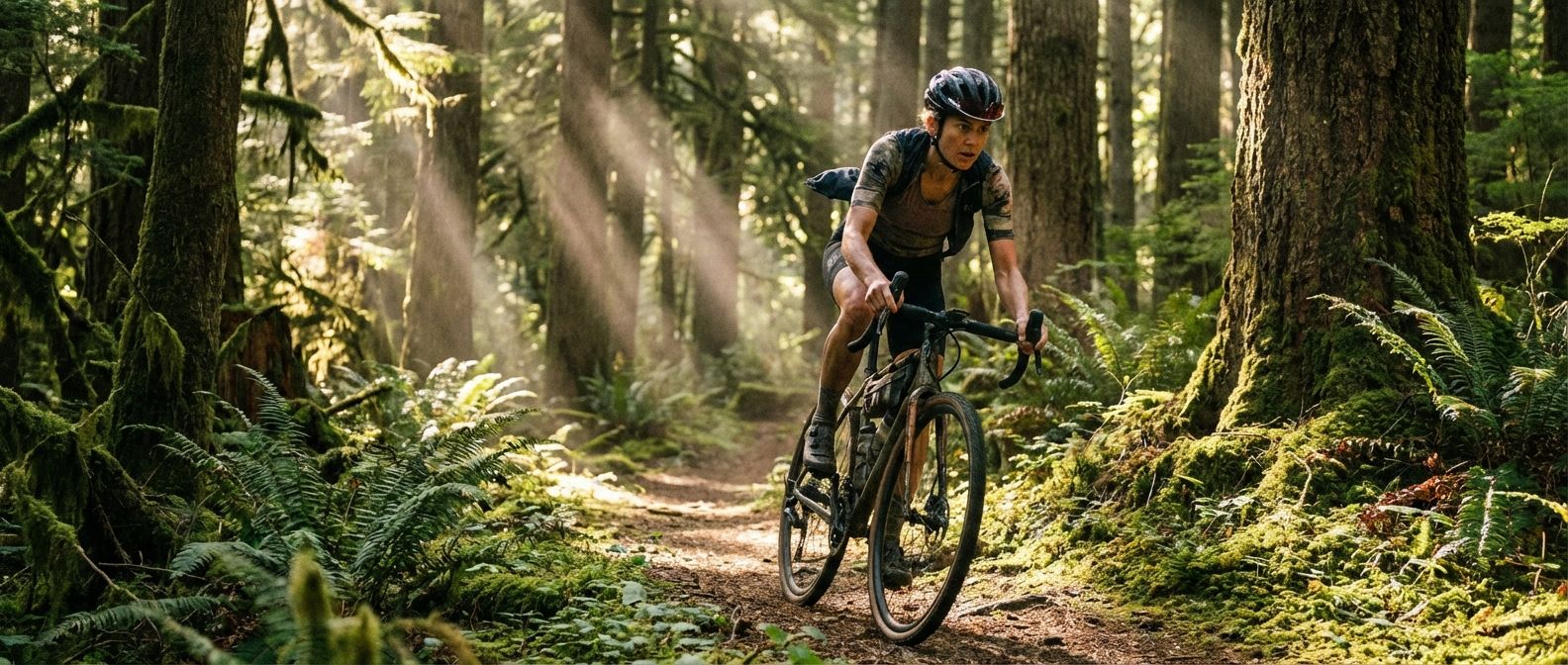
A breathtaking wide-angle photograph of a cyclist in mid-stride, intently focused on a winding, sun-dappled forest path. The image captures the dynamic coordination of the body and the sharp visual precision of the eye, with shafts of light piercing through the canopy and illuminating the path ahead.

AQA GCSE Biology: The Brain & The Eye

This deck focuses on two key sensory and coordination organs: the brain and the eye. It covers the main regions of the brain and their functions, the challenges of studying the brain, the detailed structure of the eye, and the process of accommodation.

StudyStudy From HereDetails
A dramatic, close-up photograph of a person's serene face, with a subtle sheen of sweat on their temple, illuminated by soft sunlight. In the blurred background, a vibrant, lush landscape shows contrasting elements of warmth and coolness, conveying the body's delicate internal temperature balance amidst environmental shifts.

AQA GCSE Biology: The Endocrine System & Temperature Control

This deck introduces the endocrine system, comparing hormonal and nervous control. It covers the main endocrine glands and their hormones. It then explains thermoregulation (control of body temperature) as a key example of homeostasis, involving vasodilation, vasoconstriction, and sweating.

StudyStudy From HereDetails
A close-up photograph of a medical professional's hands preparing an insulin injection, with a focus on the precise measurement of the dose in the syringe, emphasizing the life-sustaining role of insulin for a person with Type 1 diabetes. The lighting is bright and clinical, conveying a sense of medical precision.

AQA GCSE Biology: Control of Blood Glucose & Water Balance

This deck details two critical homeostatic processes: the control of blood glucose concentration and the maintenance of water and nitrogen balance. It covers the roles of insulin, glucagon, the pancreas, and the liver in blood glucose regulation, including Type 1 and Type 2 diabetes. It also covers the role of the kidneys and the hormone ADH in osmoregulation.
StudyStudy From HereDetails
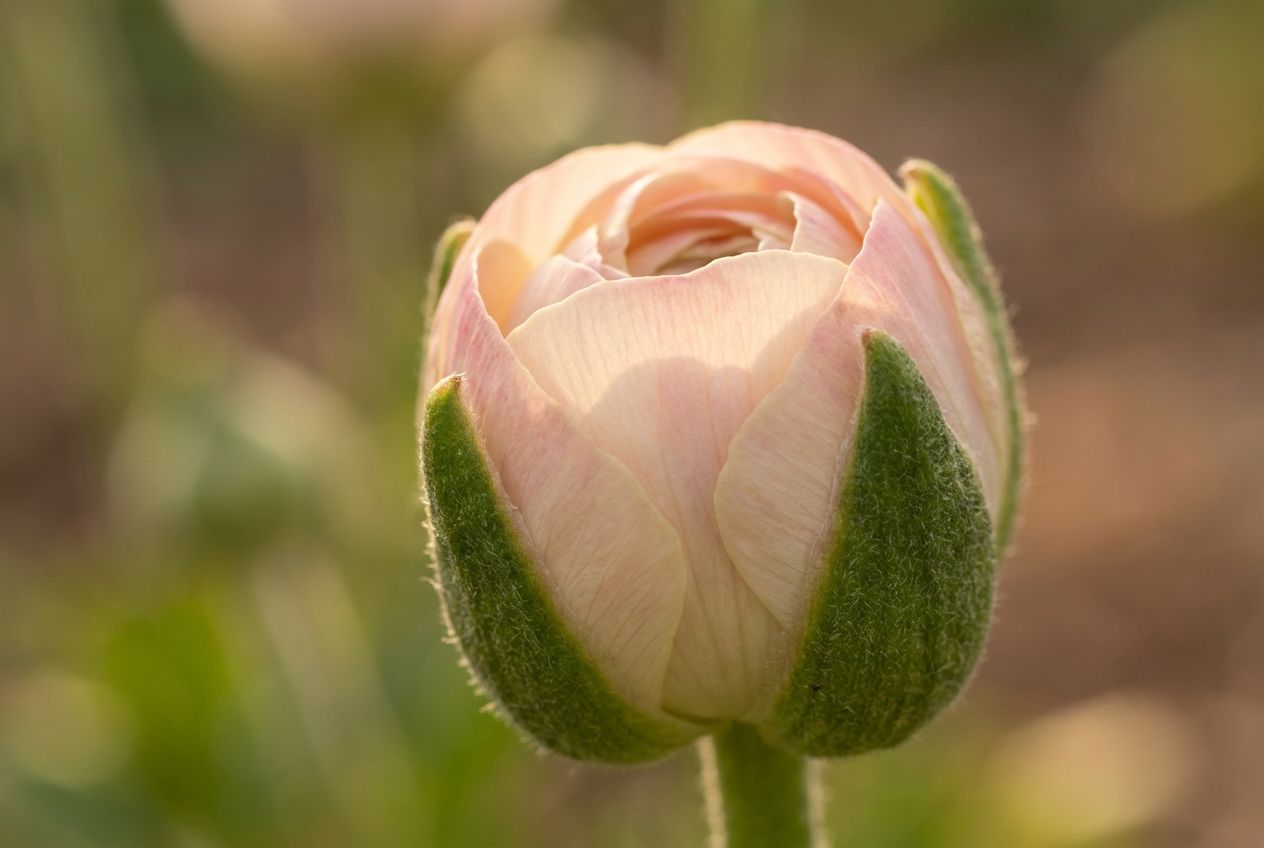
A close-up photograph of a blooming flower bud, still encased in its protective layers, symbolizing the maturing egg within the follicle. Soft, warm lighting highlights the delicate textures and subtle colors, evoking the complex hormonal processes of the menstrual cycle.

AQA GCSE Biology: Hormones in Human Reproduction

This deck covers the roles of hormones in controlling the menstrual cycle (FSH, LH, oestrogen, and progesterone). It then explores various methods of hormonal and non-hormonal contraception and explains how hormones are used in fertility treatments like IVF.
StudyStudy From HereDetails
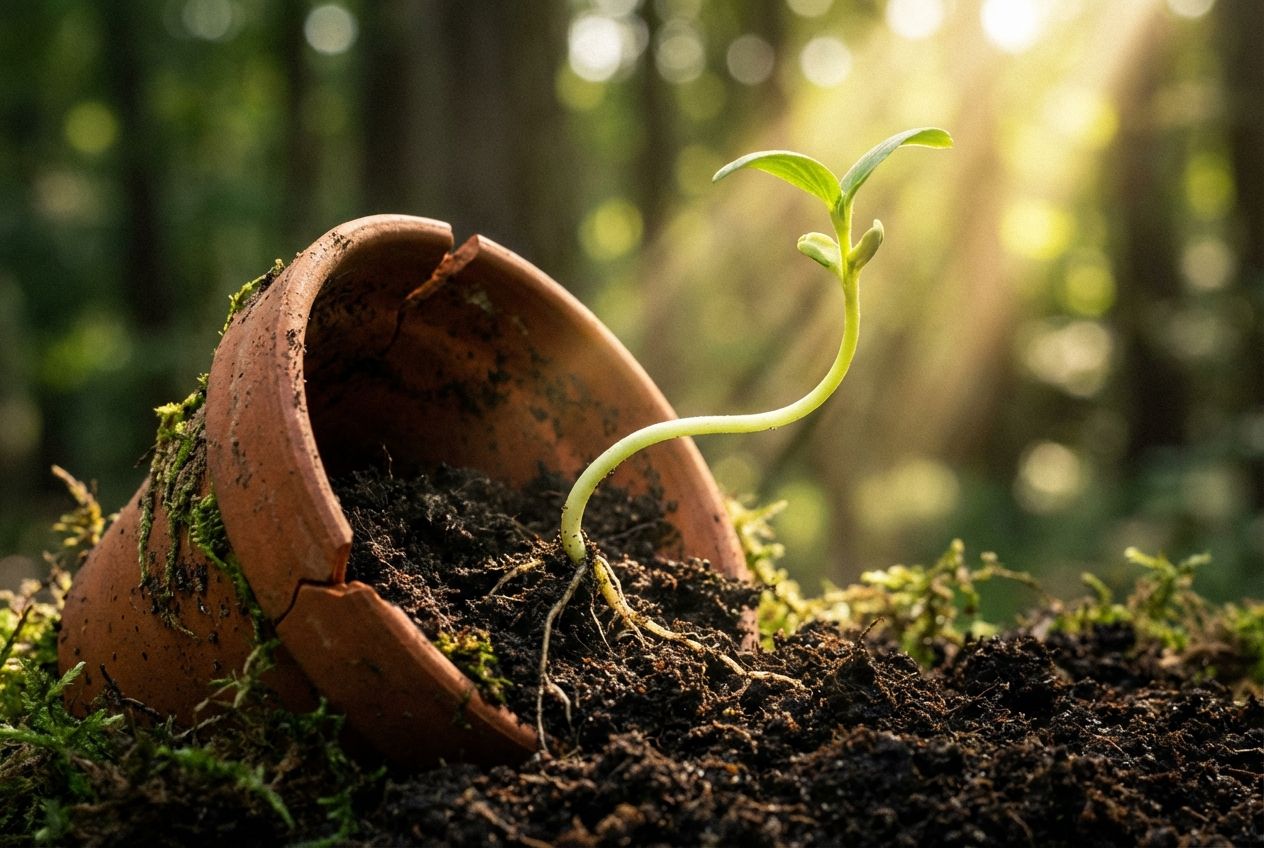
A dramatic, close-up photograph of a vibrant green seedling growing from an overturned terracotta pot, its delicate stem curving sharply upwards towards a bright, golden beam of sunlight, while its roots visibly anchor deep into the dark, rich soil below. Strong natural light, shallow depth of field, 3:2 landscape.

AQA GCSE Biology: Plant Hormones & Responses

This deck covers how plants respond to their environment using hormones. You will learn about phototropism and gravitropism, the role of auxin, and the commercial uses of plant hormones like gibberellins and ethene.
StudyStudy From HereDetails
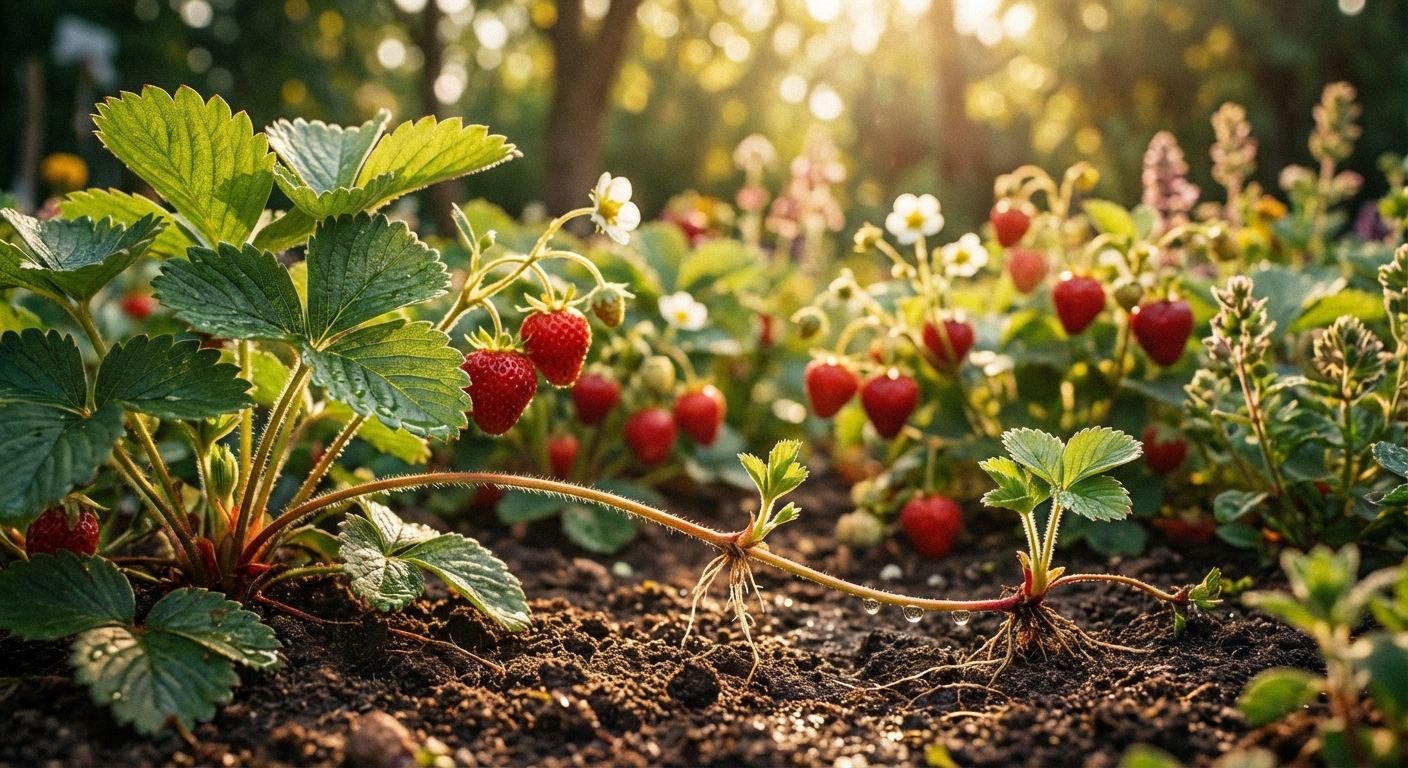
A dramatic, close-up photograph of a vibrant strawberry plant in a garden bed, with a long, delicate runner stretching out to form a small, genetically identical new plantlet, symbolizing asexual reproduction. In the soft-focus background, a lush array of various ripe, red strawberries and delicate white flowers suggests the genetic diversity and potential of sexual reproduction, all bathed in warm, dappled sunlight.

AQA GCSE Biology: Reproduction & Meiosis

This deck introduces the two types of reproduction: sexual and asexual. It details the process of meiosis for producing gametes and compares it to mitosis. It also covers the advantages and disadvantages of both sexual and asexual reproduction.
StudyStudy From HereDetails
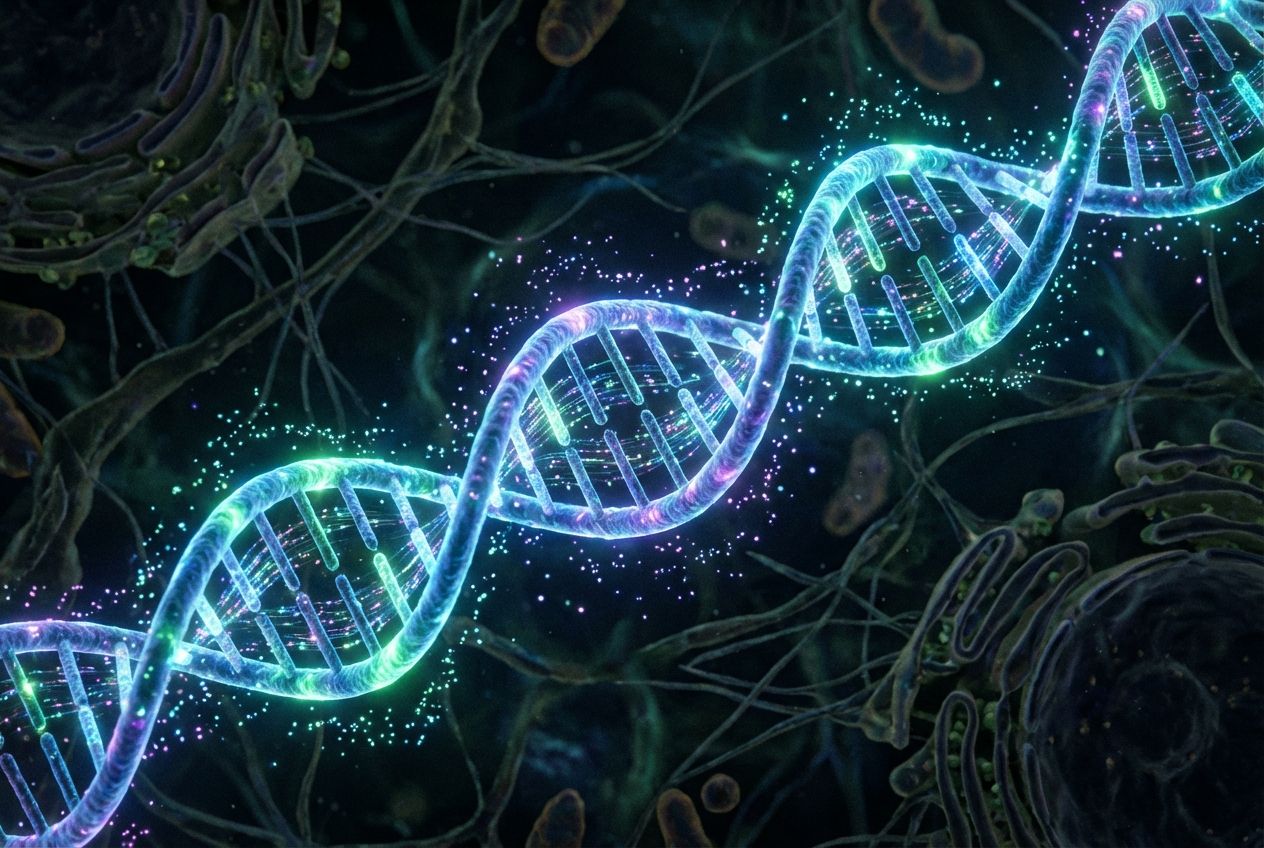
A macro photograph of a double helix made of glowing strands, suspended in a dark, cellular-like environment, with light particles resembling genetic information flowing around it.

AQA GCSE Biology: DNA, Genes & The Genome

This deck covers the fundamental molecules of inheritance. It describes the structure of DNA as a polymer made of nucleotides forming a double helix. It defines the terms gene, chromosome, and genome, and explains the importance of understanding the human genome.
StudyStudy From HereDetails
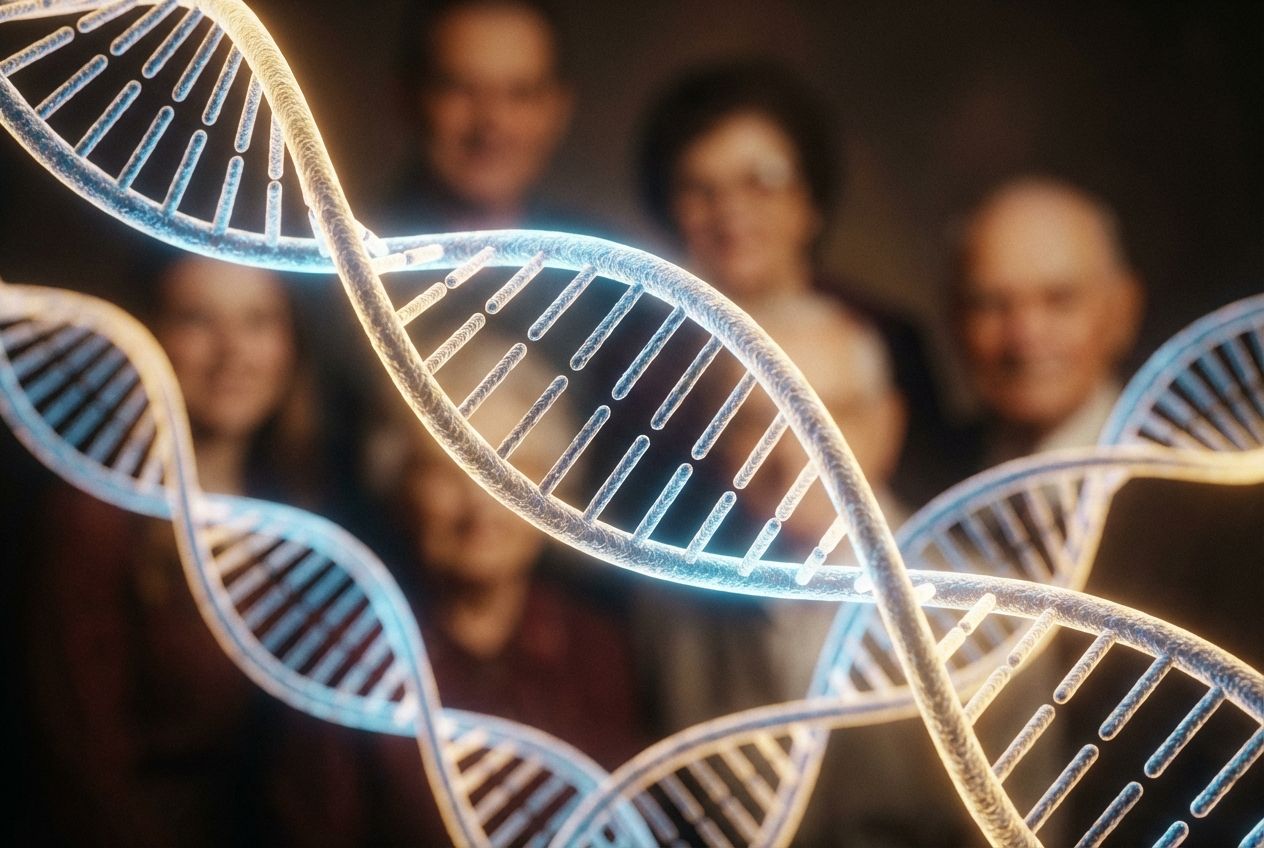
A close-up photograph of a pair of intertwined DNA strands, subtly glowing with a double helix structure, set against a soft, blurred background of a family portrait. The lighting emphasizes the intricate details of the DNA while conveying a sense of connection and inheritance.

AQA GCSE Biology: Genetic Inheritance

This deck covers the principles of Mendelian genetics. It defines key terms like allele, dominant, recessive, homozygous, heterozygous, genotype, and phenotype. It covers the use of Punnett squares to predict inheritance, analysis of family trees, and the inheritance of disorders like polydactyly and cystic fibrosis, as well as sex determination.
StudyStudy From HereDetails
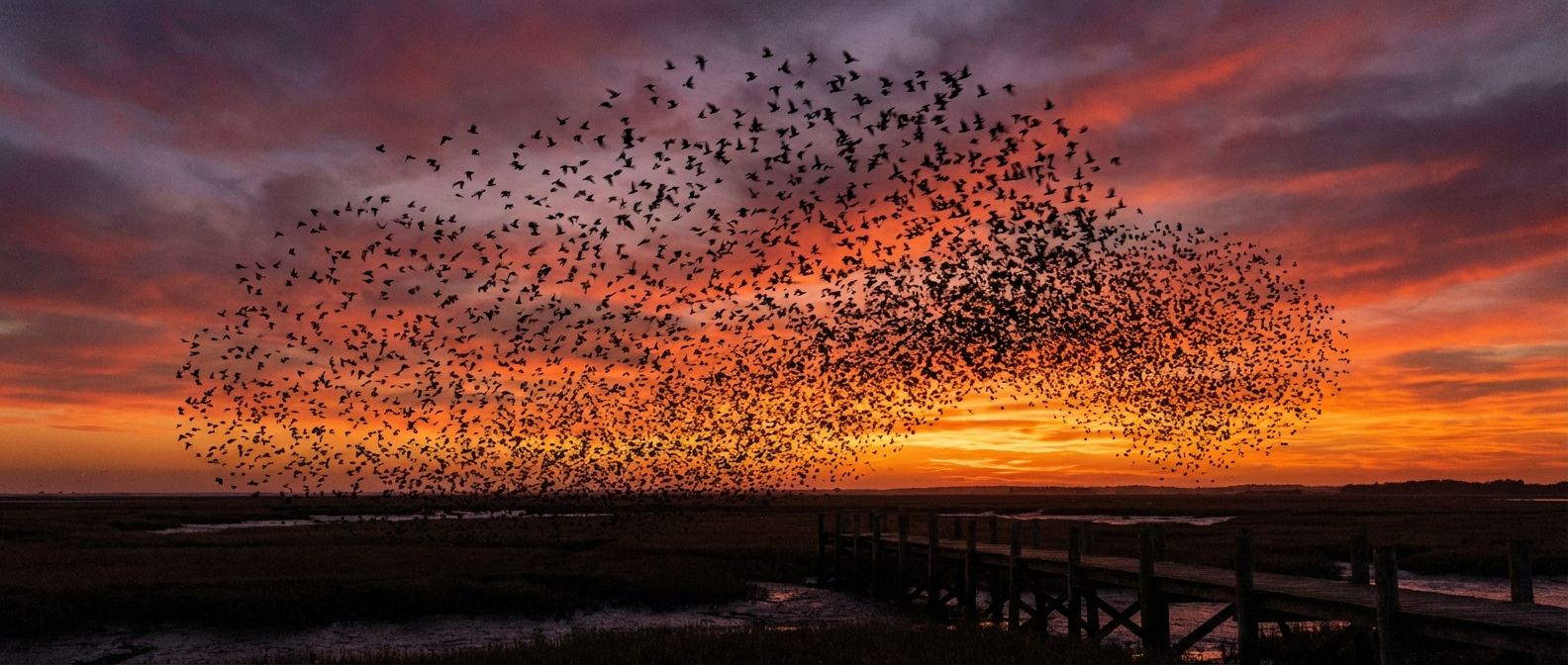
A dramatic wide-angle photograph of a massive murmuration of starlings at dusk, silhouetted against a vibrant orange and purple sunset sky. The dense, fluid swarm of thousands of birds creates intricate, ever-changing patterns, with individual birds discernible showing subtle variations, all moving with a powerful, unified purpose.

AQA GCSE Biology: Variation & Natural Selection

This deck explains the causes of variation within a species, both genetic and environmental. It then details Charles Darwin's theory of evolution by natural selection, explaining the key steps: variation, competition, survival of the fittest, inheritance, and gradual change over time.
StudyStudy From HereDetails
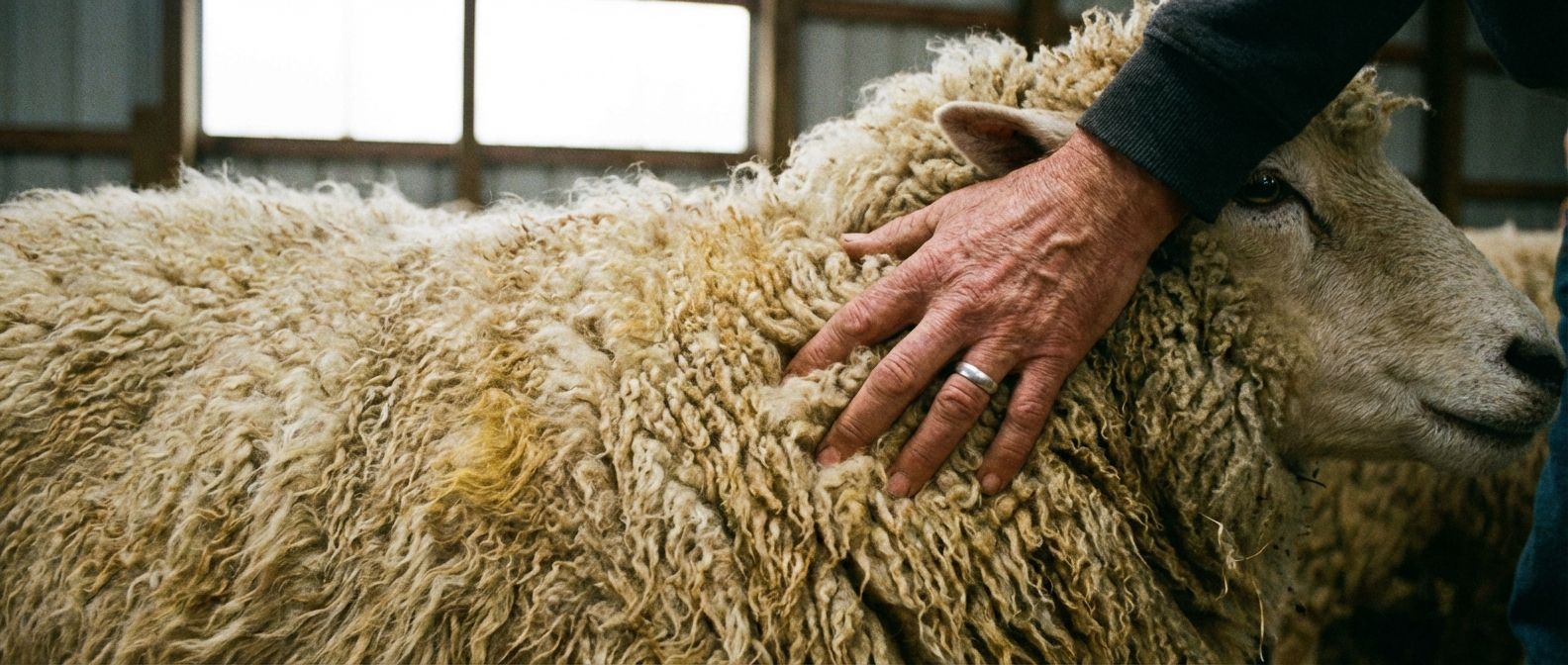
A dramatic, close-up photograph of a sheep with exceptionally dense, luxurious wool, filling a wide horizontal frame. A human hand gently touches the rich, abundant wool, highlighting its texture and quality under soft, natural lighting.

AQA GCSE Biology: Selective Breeding, Genetic Engineering & Cloning

This deck explores human intervention in genetics. It covers selective breeding (artificial selection) to enhance desired characteristics. It details the process of genetic engineering to transfer genes between organisms and discusses its applications. Finally, it explains the methods and applications of plant and animal cloning.
StudyStudy From HereDetails
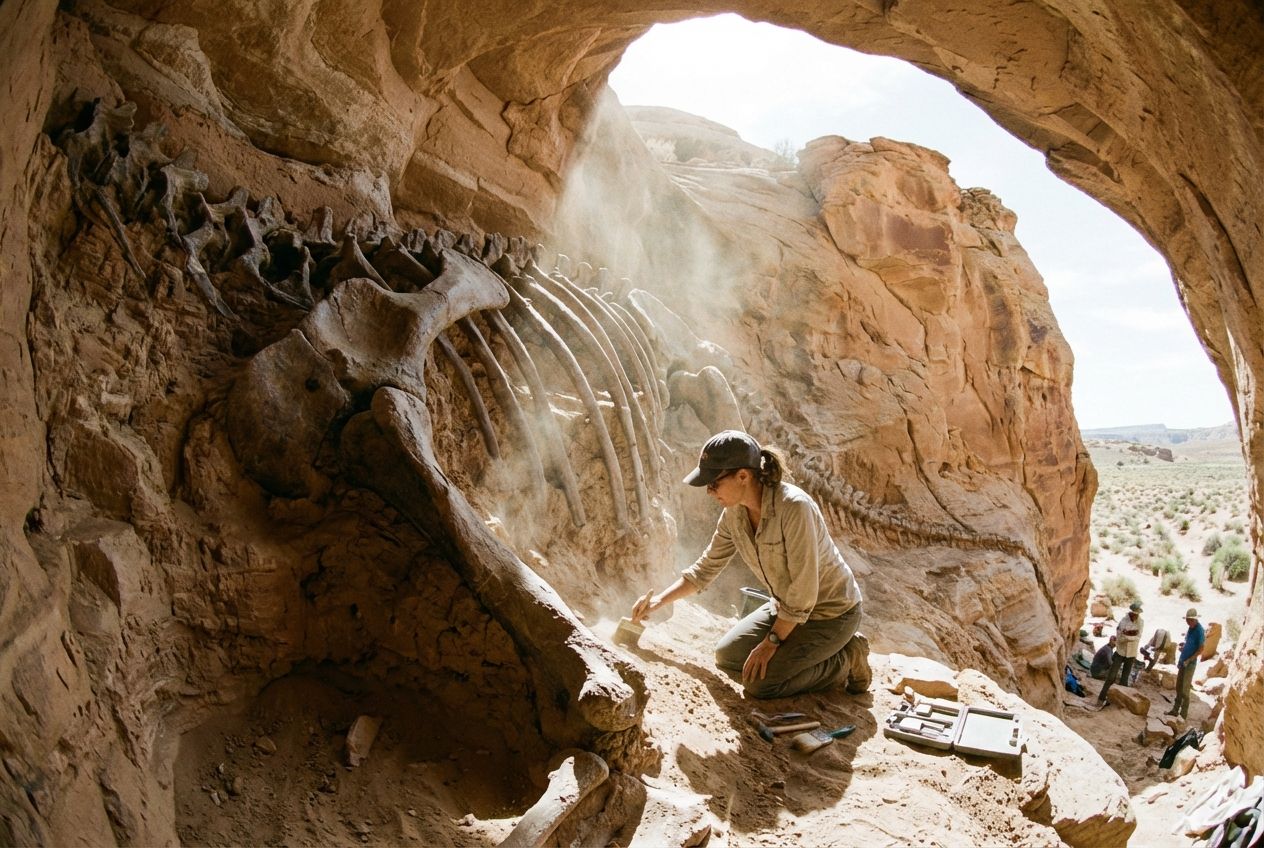
A wide-angle shot of a paleontologist carefully brushing dirt away from a large, fossilized dinosaur skeleton embedded in sandstone rock, with sunlight streaming in from above. The fossil is partially uncovered, showing ribs and a leg bone, emphasizing the scale and age of the discovery.

AQA GCSE Biology: Evidence for Evolution & Speciation

This deck covers the evidence supporting the theory of evolution, including fossils and the development of antibiotic resistance in bacteria. It explains how new species arise through the process of speciation and discusses the causes of extinction.
StudyStudy From HereDetails
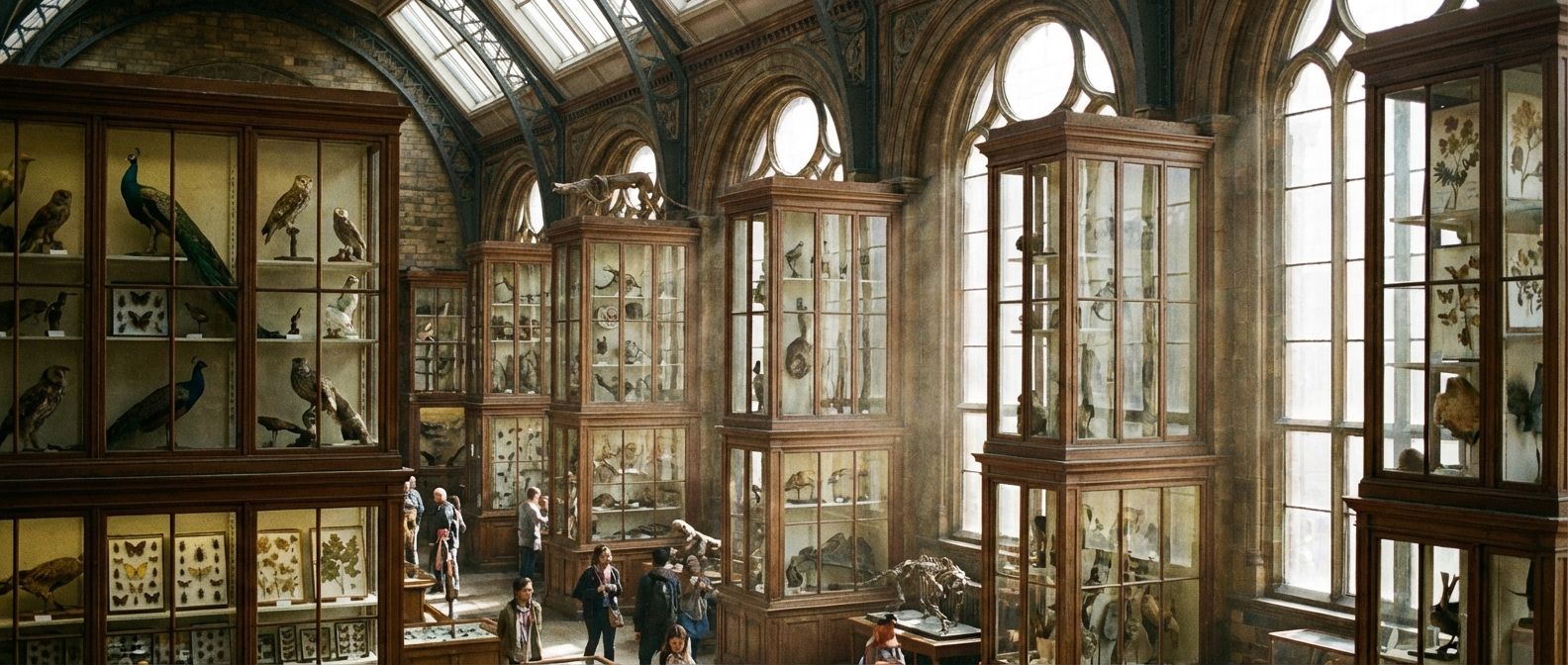
A dramatic wide-angle photograph inside a grand, old natural history museum, showcasing towering wooden display cabinets filled with an astonishing array of diverse biological specimens – from exotic birds and insects to fossils and botanical samples – all meticulously organized and illuminated by shafts of sunlight filtering through large windows.

AQA GCSE Biology: Classification of Living Organisms

This deck explains why living organisms are classified and describes the traditional Linnaean system of classification (Kingdom, Phylum, Class, Order, Family, Genus, Species). It also introduces the more modern three-domain system proposed by Carl Woese.
StudyStudy From HereDetails
A dramatic, close-up photograph of a honeybee actively gathering nectar from a vibrant, richly colored flower, its fuzzy body and tiny legs dusted with bright yellow pollen. The background is a beautifully blurred bokeh of a lush, sun-drenched meadow, subtly hinting at the wider ecosystem and the interplay of living and non-living factors, composed for a wide 3:2 landscape frame.

AQA GCSE Biology: Ecosystems, Interdependence & Adaptations

This deck introduces the core concepts of ecology. It defines key terms like ecosystem, community, and population. It covers the impact of abiotic (non-living) and biotic (living) factors on a community, the concept of interdependence, and how organisms are adapted to their environment.
StudyStudy From HereDetails
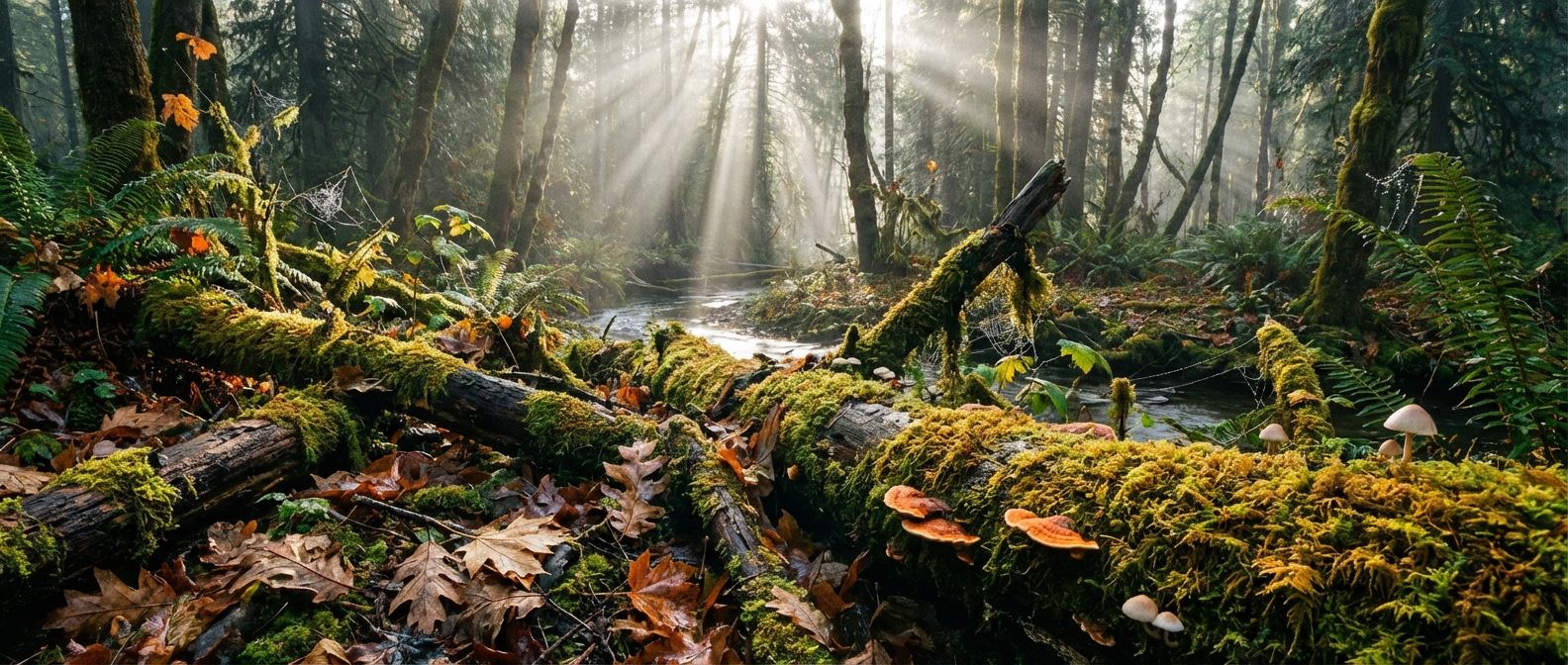
A dramatic, wide-angle photograph captures a vibrant, damp forest floor, with sunbeams filtering through a dense canopy. Intricate details of decaying leaves and logs covered in moss and delicate fungi fill the foreground, symbolizing the continuous cycle of life and decay. A subtle mist or dew on the foliage hints at the essential role of water in these natural processes.

AQA GCSE Biology: Material Cycling & Decomposition

This deck explains how essential materials are cycled through ecosystems. It provides a detailed description of the water cycle and the carbon cycle, including the roles of photosynthesis, respiration, combustion, and decomposition. It also covers the factors affecting the rate of decomposition.
StudyStudy From HereDetails
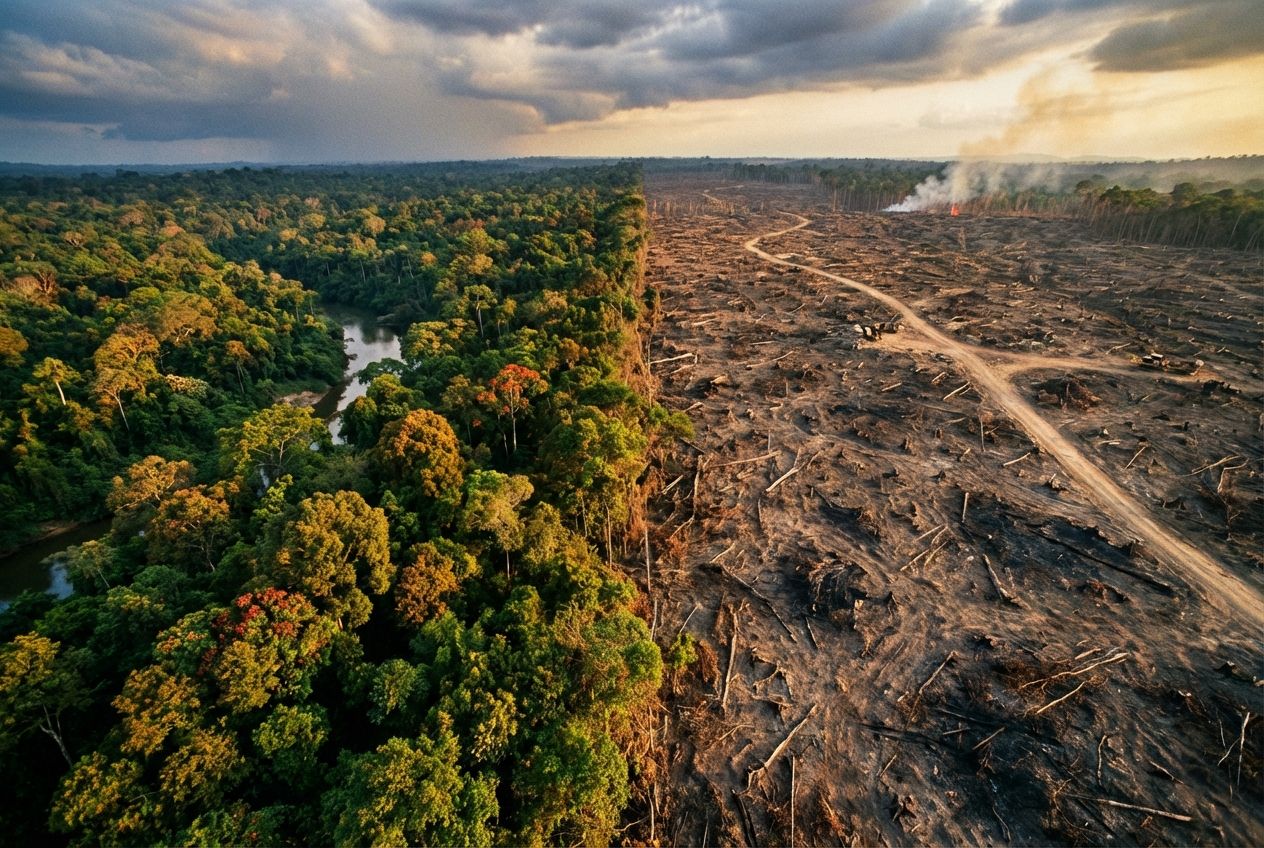
A dramatic wide-angle photograph from an elevated perspective captures the stark contrast between a vibrant, dense tropical rainforest canopy bursting with biodiversity on one side, and a barren, recently deforested landscape with scattered tree stumps and a faint plume of smoke on the other, hinting at human impact and land use. The scene is illuminated by dramatic natural light, composed for a 3:2 landscape frame.

AQA GCSE Biology: Biodiversity & Human Impact

This deck defines biodiversity and explains its importance. It then explores the negative impact of human activities on ecosystems, including waste management issues, land use, deforestation, and global warming. Finally, it covers strategies for maintaining biodiversity.
StudyStudy From HereDetails
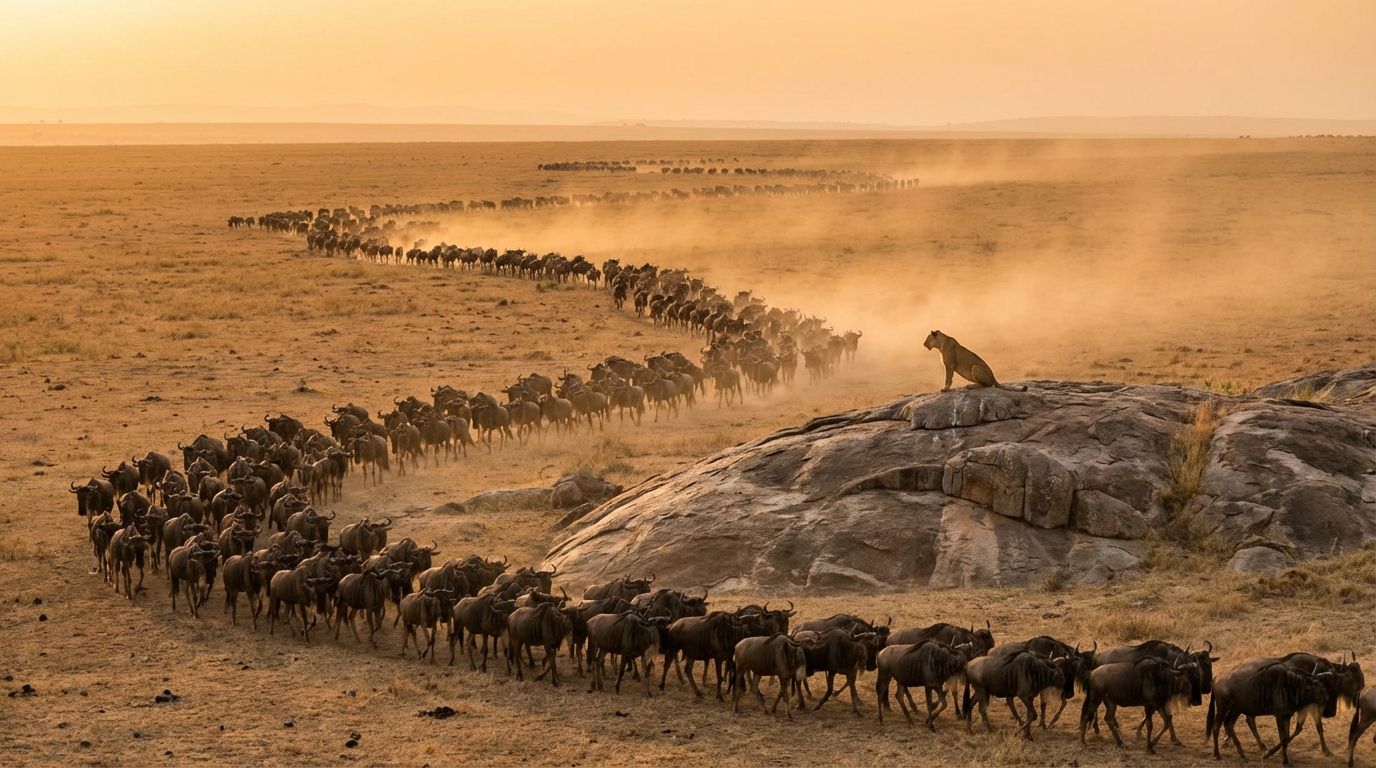
A wide, dramatic photograph of a massive wildebeest herd migrating across a vast, sun-drenched African savanna, kicking up dust, with a solitary, powerful lioness observing from a rocky outcrop in the mid-ground. The scene emphasizes the immense biomass of primary consumers supporting a higher trophic level predator.

AQA GCSE Biology: Trophic Levels & Biomass Transfer

This deck covers the flow of energy and biomass through an ecosystem. It defines trophic levels, producers, and consumers. It explains how to construct pyramids of biomass and why biomass is lost at each trophic level. It also includes how to calculate the efficiency of biomass transfer.
StudyStudy From HereDetails
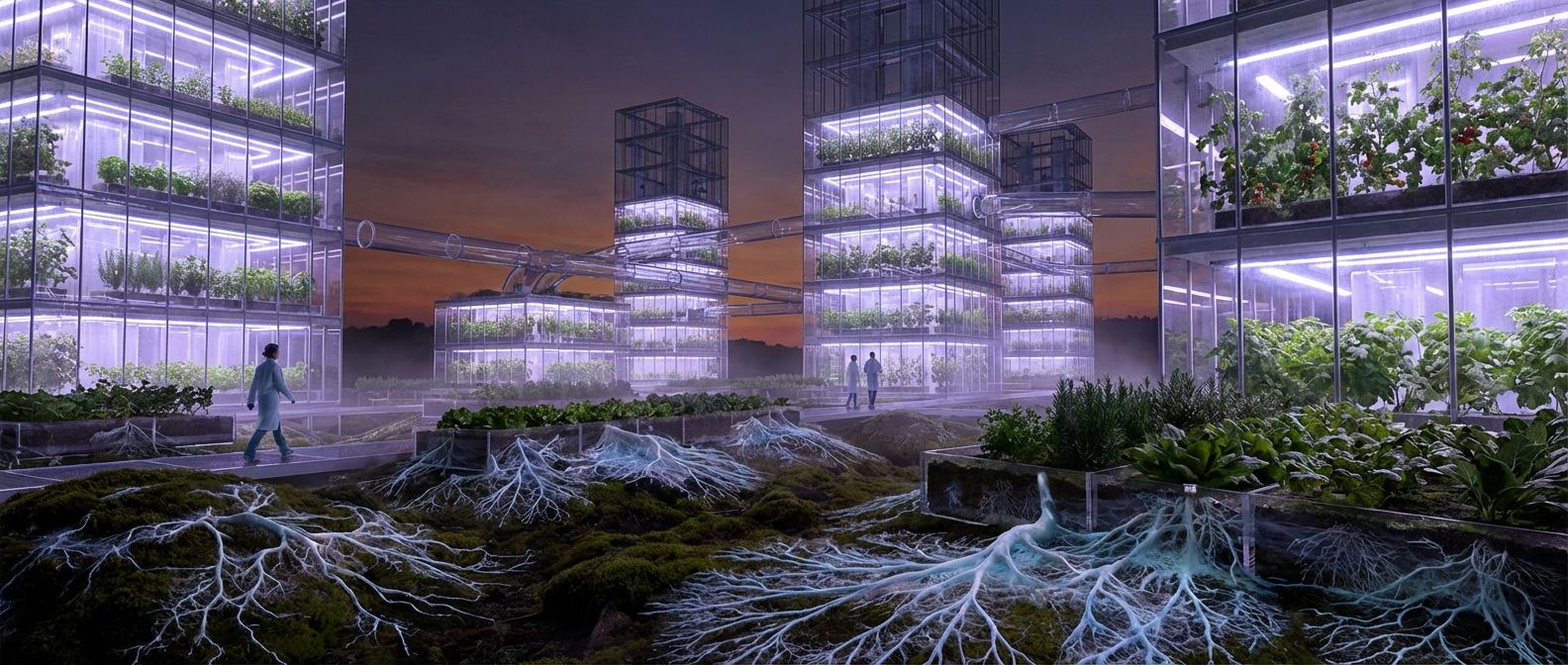
A wide-angle, cinematic photograph of a futuristic, multi-tiered vertical farm, bathed in the soft glow of LED grow lights, showcasing abundant, vibrant green crops. In the foreground, intricate, almost ethereal patterns of cultivated mycelium subtly emerge, representing biotechnological food innovation.

AQA GCSE Biology: Food Security & Sustainable Farming

This deck explores food security, factors threatening it, and solutions. It covers intensive farming, sustainable fisheries, and biotechnology like mycoprotein production.
StudyStudy From HereDetails
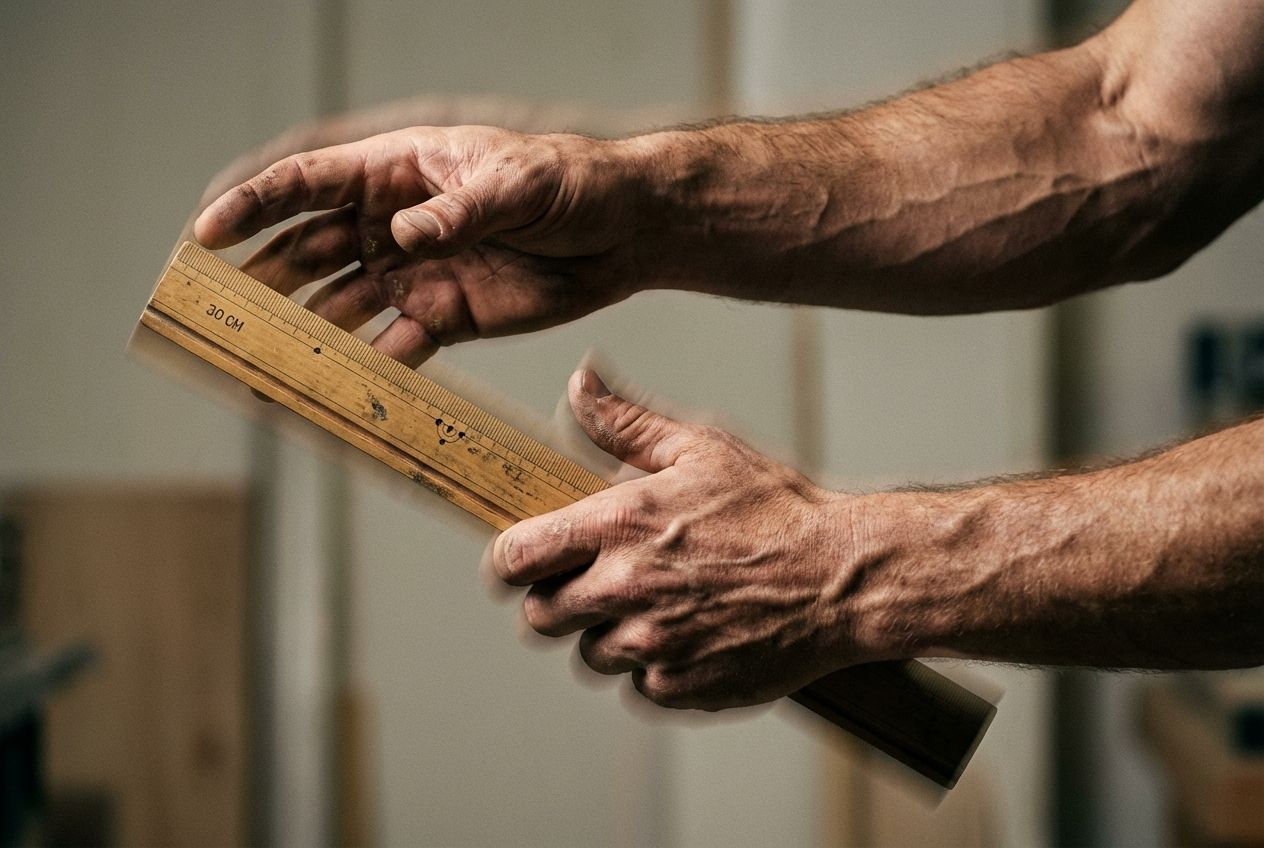
A dramatic, extreme close-up photograph of two hands, one releasing a 30-centimeter ruler and the other making a split-second catch. The ruler is captured mid-fall, with a sense of intense focus and rapid motion, set against a softly blurred, neutral background in a 3:2 landscape frame.

AQA GCSE Biology: Required Practical - Reaction Time

This deck provides a comprehensive guide to the required practical investigating the effect of a factor on human reaction time. It covers the aim, variables, a standard method (e.g., the ruler drop test), potential errors, and how to analyse results.
StudyStudy From HereDetails
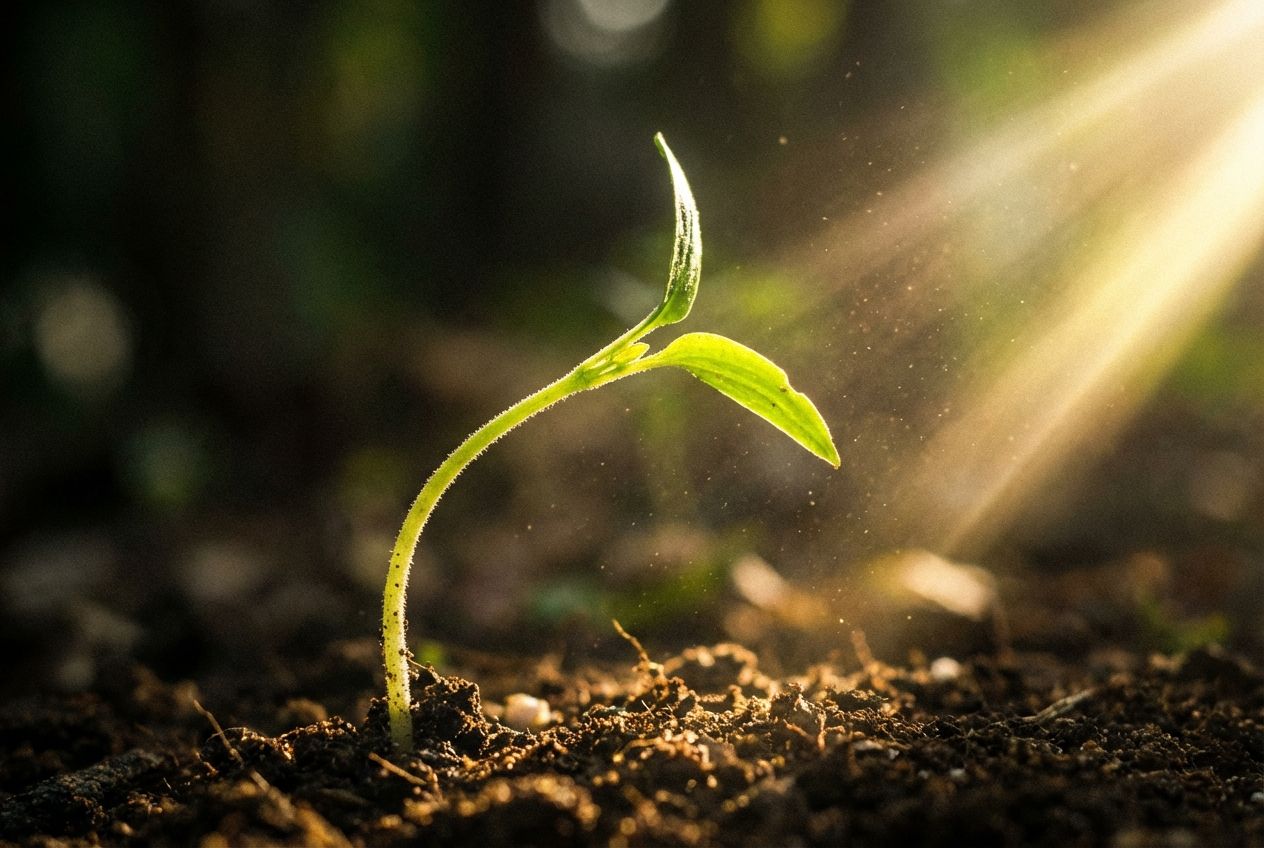
A dramatic close-up photograph of a vibrant green seedling, its delicate stem clearly bending and reaching intensely towards a strong, golden beam of light entering from the side, symbolizing phototropism. The background is softly blurred and dark, emphasizing the seedling's determined growth in a 3:2 landscape frame.

AQA GCSE Biology: Required Practical - Plant Growth Responses

This deck covers the required practical investigating the effect of light or gravity on the growth of newly germinated seedlings. It includes the aim, variables, a suitable method, expected results, and conclusions related to phototropism and gravitropism.
StudyStudy From HereDetails
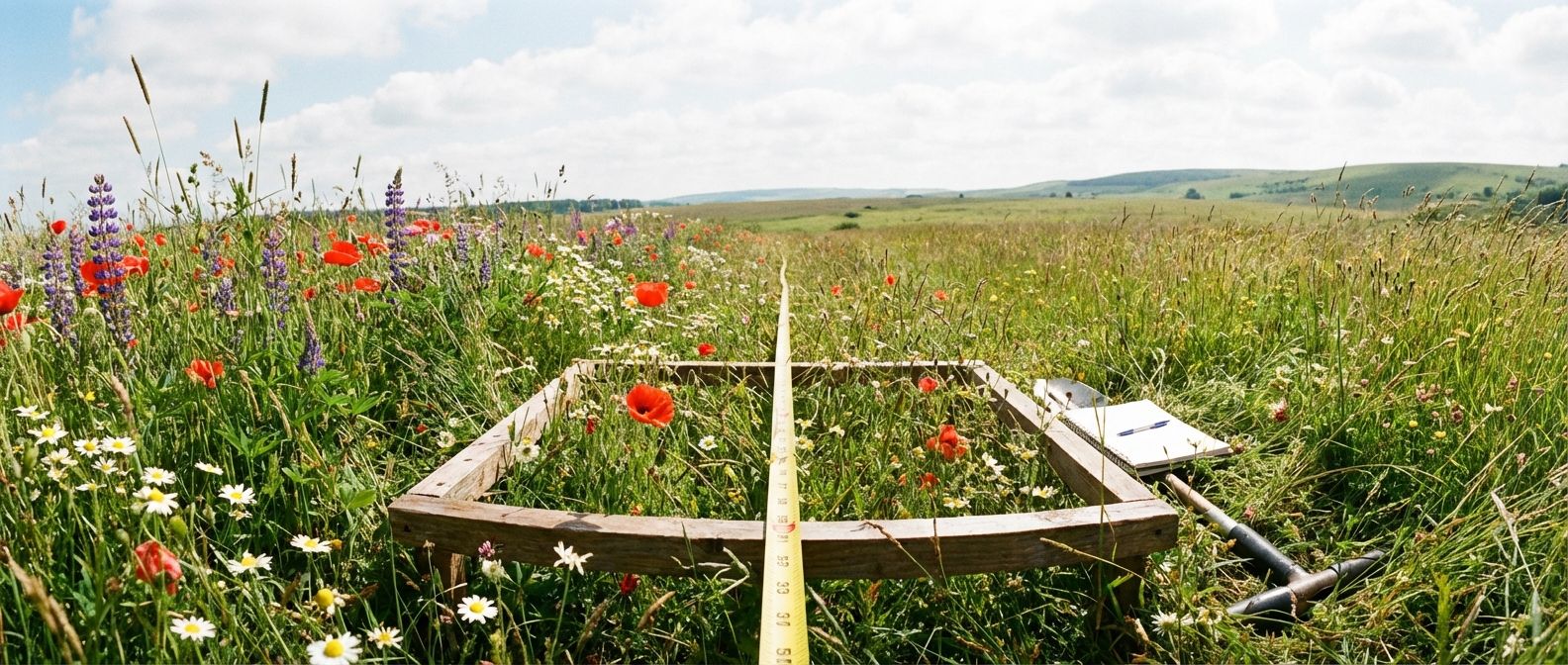
A wide, low-angle photograph of a sturdy wooden quadrat placed in a vibrant, sun-drenched meadow filled with wildflowers. A yellow measuring tape stretches across the foreground and into the distance, suggesting a scientific transect line. The scene captures the subtle transition from dense flora to a more open, grassy area under a bright sky, emphasizing ecological exploration.

AQA GCSE Biology: Required Practical - Sampling Organisms

This deck details the required practical on ecological sampling. It covers how to use random sampling with quadrats to measure the population size of a species, and systematic sampling with a transect to investigate the effect of a factor on species distribution.

StudyStudy From HereDetails
A dramatic, wide-angle close-up photograph of a row of elegant glass beakers or small flasks, arranged horizontally on a sleek, dark laboratory bench. Each beaker contains a liquid, with the first being a vibrant, clear pink, and subsequent beakers showing a gradual fading gradient of pink to completely colourless, visually representing a chemical reaction over time or varying temperatures. Soft, focused light illuminates the liquids, creating reflections, with a subtle hint of scientific equipment or diffuse steam in the background to suggest an experimental setting.

AQA GCSE Biology: Required Practical - Rate of Decay

This deck covers the required practical investigating the effect of temperature on the rate of decay of fresh milk. It explains the role of lipase, the use of a pH indicator, the variables, method, and how to interpret the results.

StudyStudy From HereDetails

Learn GCSE Biology (AQA): Paper 2 differently

Auracle is an audio-first learning platform built for busy people. Memorize anything without looking at a screen.

Hands-Free Learning

Listen, interact, and review cards entirely through audio. Perfect for commuting, walking, or at the gym.

Spaced Repetition

Auracle uses a scientific algorithm to schedule your reviews at the optimal time, ensuring you never forget what you learn.

Learn how it works

Ready to start the GCSE Biology (AQA): Paper 2 audio course?