Auracle
A dramatic wide-angle photograph of a sprawling oil refinery at twilight, its intricate network of pipes and towers illuminated against a deep orange and purple sky. Wisps of steam and smoke rise into the atmosphere, creating a powerful sense of industrial scale and environmental impact.
CoursePublicCreated 27/03/2026

GCSE Chemistry (AQA): Paper 2

All the content for your AQA GCSE Chemistry Paper 2 exam. Rates of reaction, organic chemistry, chemical analysis, atmosphere, and resources – it's all in here.

Total Decks
14
Course Completion
0%
0/14 Decks
Answer Language
en-GB
Course Completion
0%
0/14 Decks

Decks in this Course

14 items
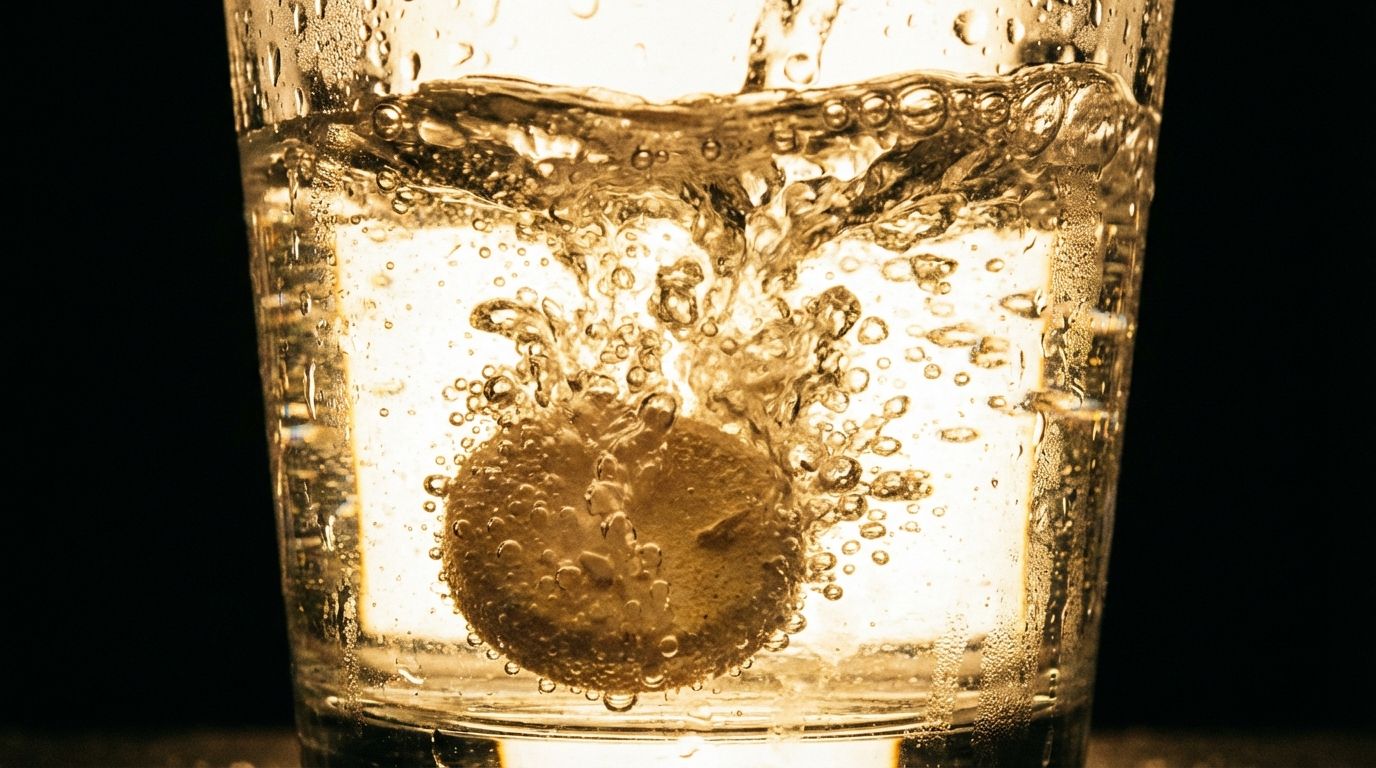
A dramatic, close-up photograph of an effervescent tablet rapidly dissolving in a clear glass of water, filling the wide frame with a vigorous explosion of countless tiny bubbles and swirling currents. Intense backlighting catches the dynamic motion and the energetic release of gas, illustrating the concept of a fast reaction rate.

AQA GCSE Chemistry: Rates of Reaction

Covers all AQA specification points on rates of reaction, including how to calculate them from graphs, the factors that affect them (concentration, pressure, temperature, surface area, catalysts), and how to explain these effects using collision theory. Includes the required practical on investigating the effect of concentration on reaction rate.
StudyStudy From HereDetails
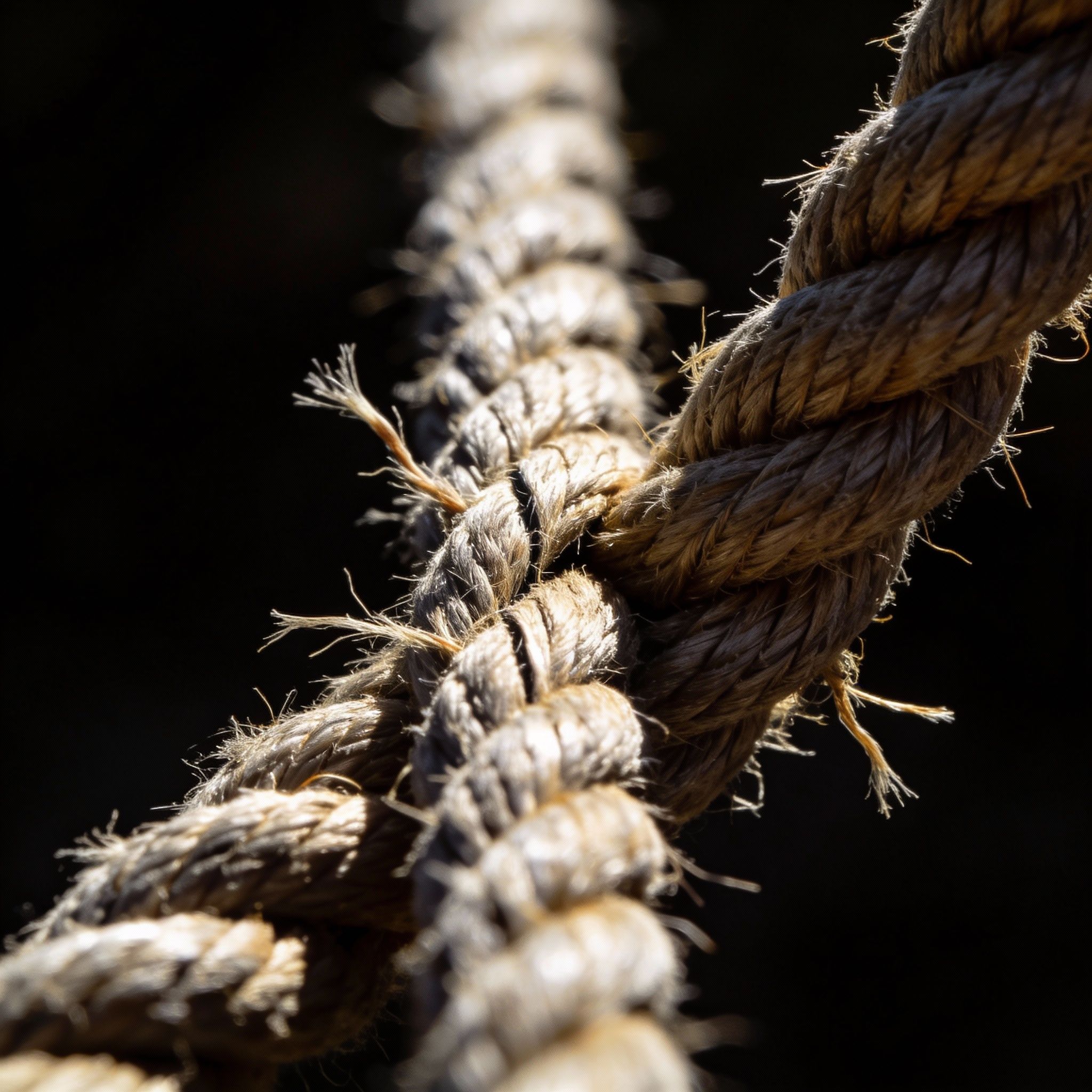
A tug-of-war rope stretched taut, right at the moment of peak tension before either side starts to give way. Focus on the texture of the rope fibers and the strain it's under. Dramatic, high-contrast lighting.

AQA GCSE Chemistry: Reversible Reactions and Equilibrium

Covers reversible reactions, dynamic equilibrium, and Le Chatelier's principle. This includes explaining the concept of equilibrium in a closed system and predicting how changes in temperature, pressure, and concentration will affect the position of equilibrium.
StudyStudy From HereDetails
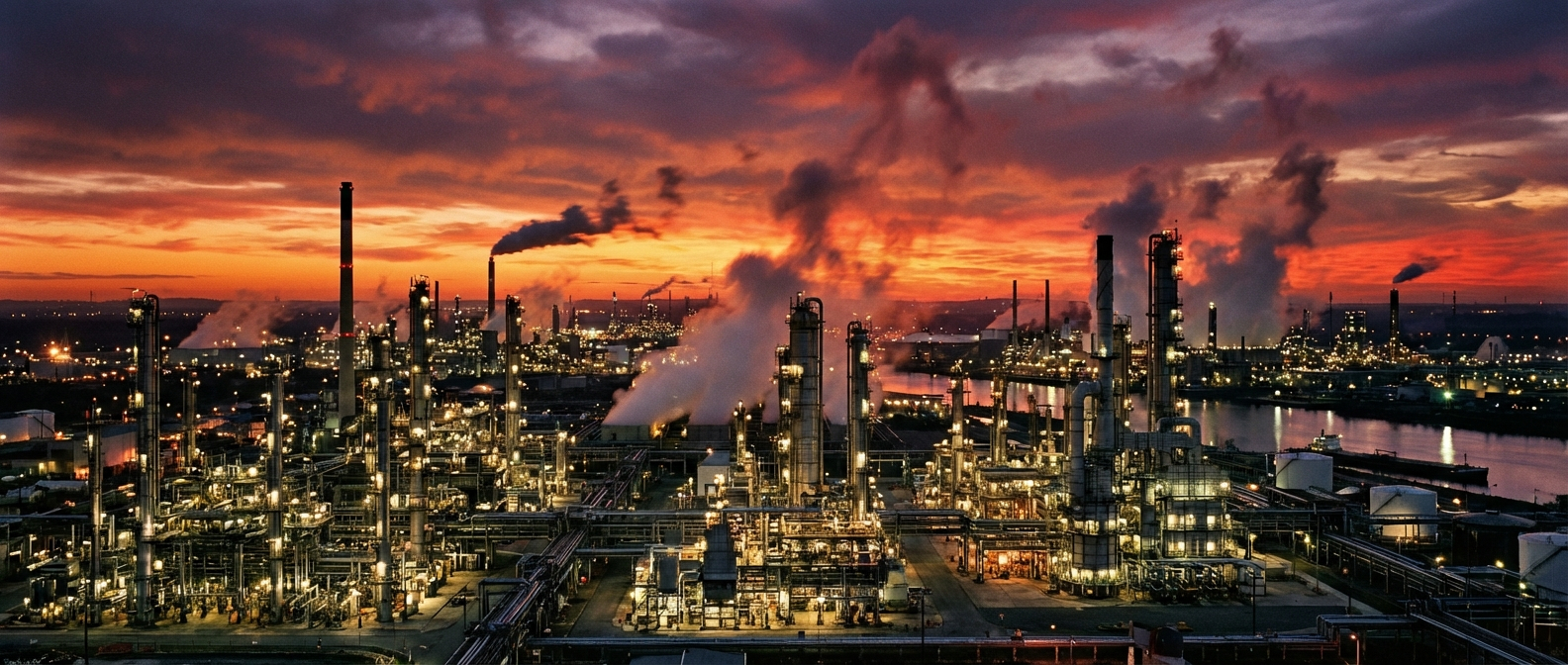
A dramatic wide-angle photograph of a sprawling oil refinery at twilight, its intricate network of pipes and towers illuminated against a deep orange and purple sky. Wisps of steam and smoke rise into the atmosphere, creating a powerful sense of industrial scale and environmental impact.

AQA GCSE Chemistry: Hydrocarbons and Crude Oil

Covers the fundamentals of organic chemistry, including crude oil as a source of hydrocarbons, the process of fractional distillation, the properties of alkanes, and the process of cracking to produce more useful alkanes and alkenes.
StudyStudy From HereDetails
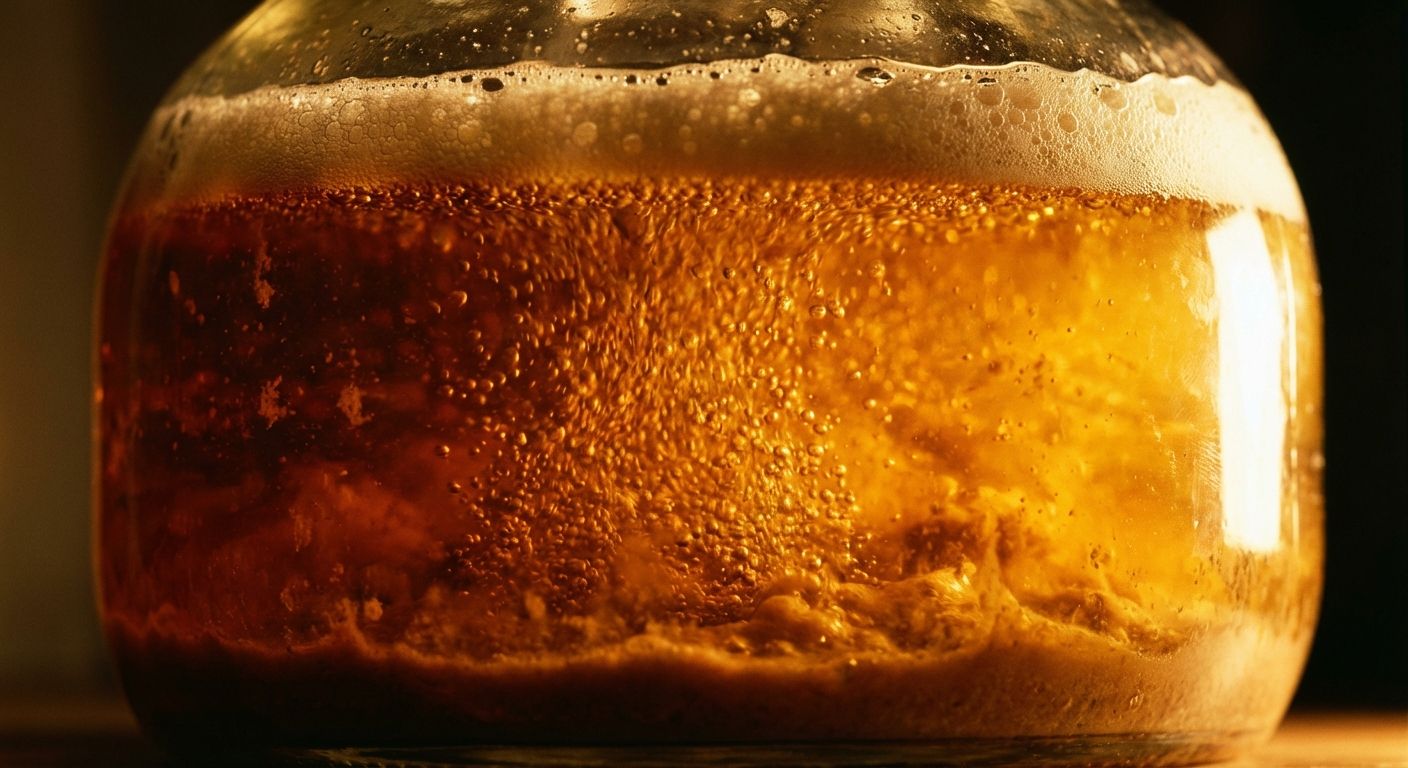
A dramatic, close-up photograph of a deep amber liquid actively fermenting inside a large glass carboy, with a cascade of small bubbles rising vigorously to the surface. The scene is bathed in warm, golden light, highlighting the organic transformation within.

AQA GCSE Chemistry: Reactions of Organic Compounds

Covers the characteristic reactions of alkenes, alcohols, and carboxylic acids. This includes the addition reactions of alkenes with hydrogen, halogens, and water (steam), the combustion and oxidation of alcohols, and the reactions of carboxylic acids as weak acids.

StudyStudy From HereDetails
A close-up, high-angle photograph of hands intricately weaving colorful threads on a traditional loom or with knitting needles. The threads flow smoothly, forming a complex and harmonious pattern, bathed in soft, natural light, emphasizing texture and detail.

AQA GCSE Chemistry: Polymers

Covers the formation of polymers through addition and condensation polymerisation. This includes drawing repeating units for addition polymers and understanding the formation of polyesters and polyamides (Higher Tier only) through condensation polymerisation.
StudyStudy From HereDetails
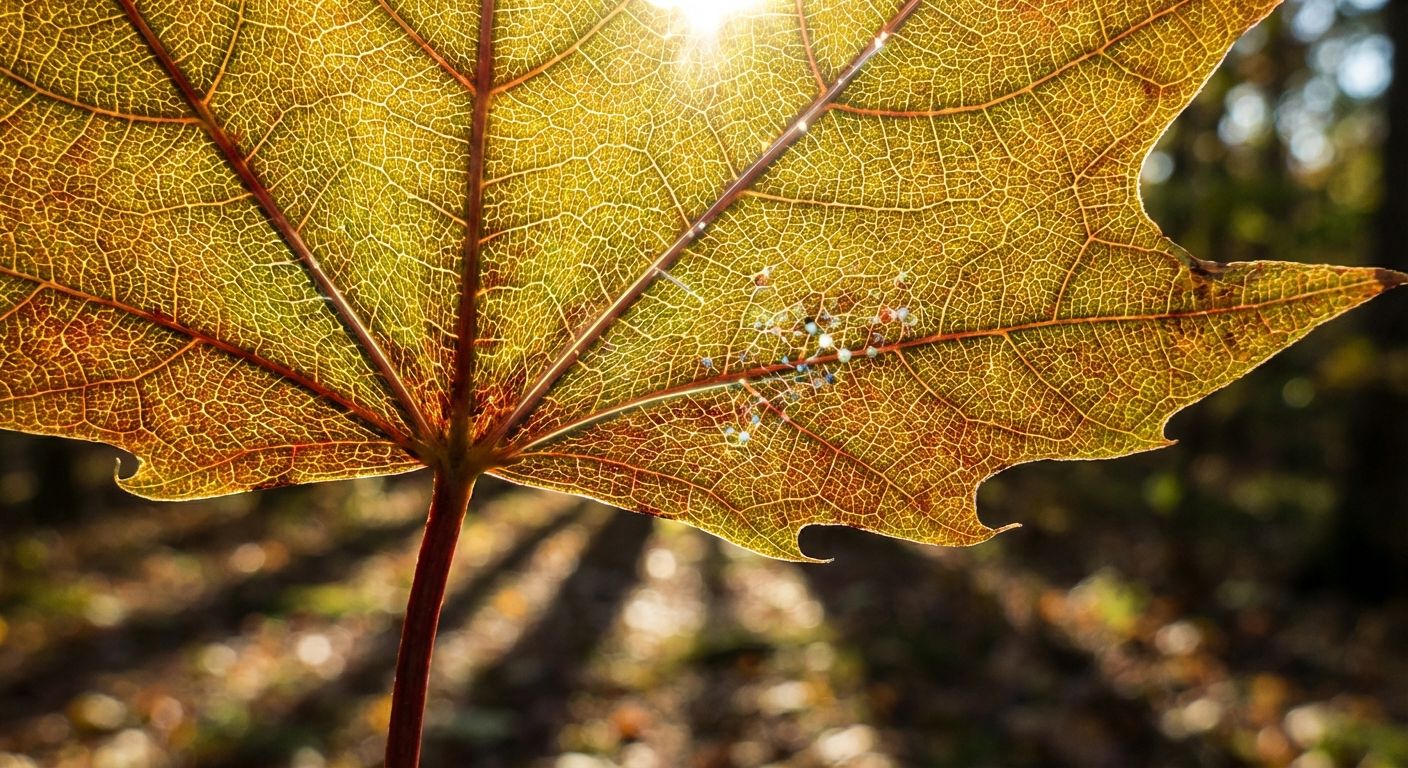
An extreme close-up, vibrant photograph of a leaf's intricate vein structure, with bright sunlight filtering through, creating a dramatic interplay of light and shadow. The detailed, branching patterns evoke the fundamental building blocks and interconnected chains of naturally occurring polymers in living organisms.

AQA GCSE Chemistry: Naturally Occurring Polymers

Covers the structure of naturally occurring polymers, including amino acids forming proteins (polypeptides), and the basic structure of DNA as a polymer made from four different nucleotide monomers.
StudyStudy From HereDetails
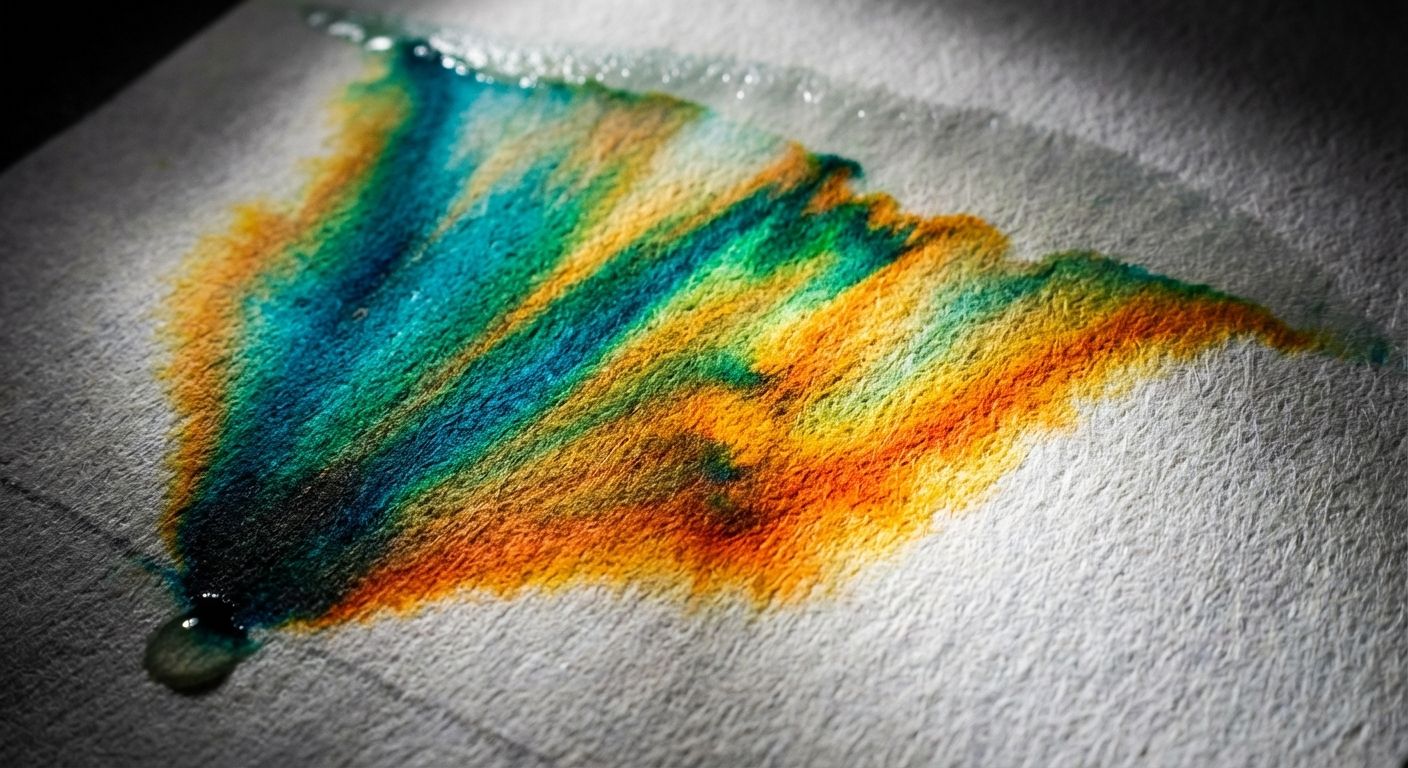
A dramatic macro photograph capturing the vivid separation of a dark ink spot into distinct, vibrant bands of color on chromatography paper. The solvent front is visible, and the colors fan out beautifully across the paper's fibrous texture, under bright, focused studio lighting.

AQA GCSE Chemistry: Purity and Chromatography

Covers the chemical definitions of pure substances and mixtures, the concept of formulations, and the technique of paper chromatography. Includes the required practical on using chromatography to separate mixtures and calculating Rf values.
StudyStudy From HereDetails
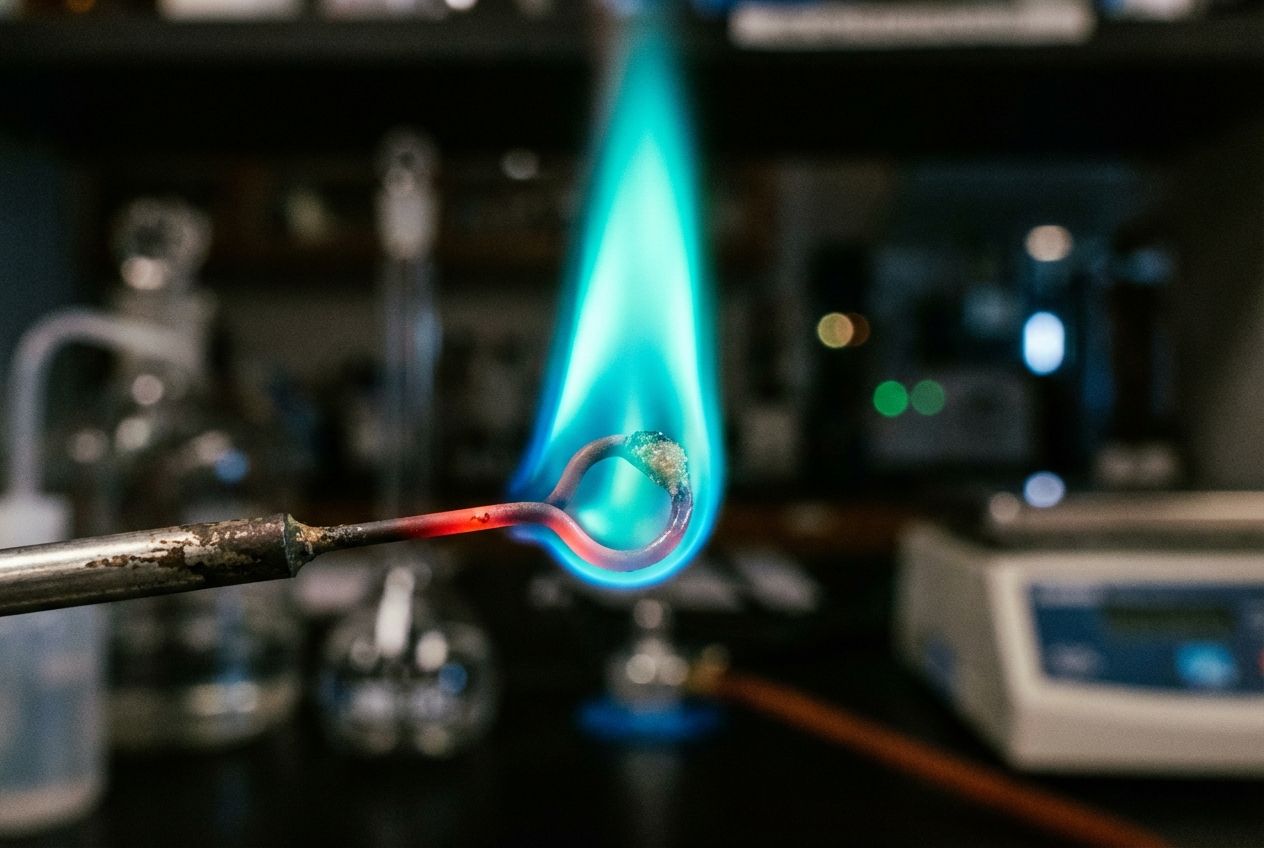
A dramatic close-up photograph of a nichrome wire loop holding a chemical sample, glowing with an intense, vibrant blue-green flame against a dark, blurred laboratory background, composed for a 3:2 landscape frame.

AQA GCSE Chemistry: Identifying Gases and Metal Ions

Covers the standard laboratory tests to identify common gases (hydrogen, oxygen, carbon dioxide, chlorine) and the use of flame tests to identify common metal cations (lithium, sodium, potassium, calcium, copper).
StudyStudy From HereDetails
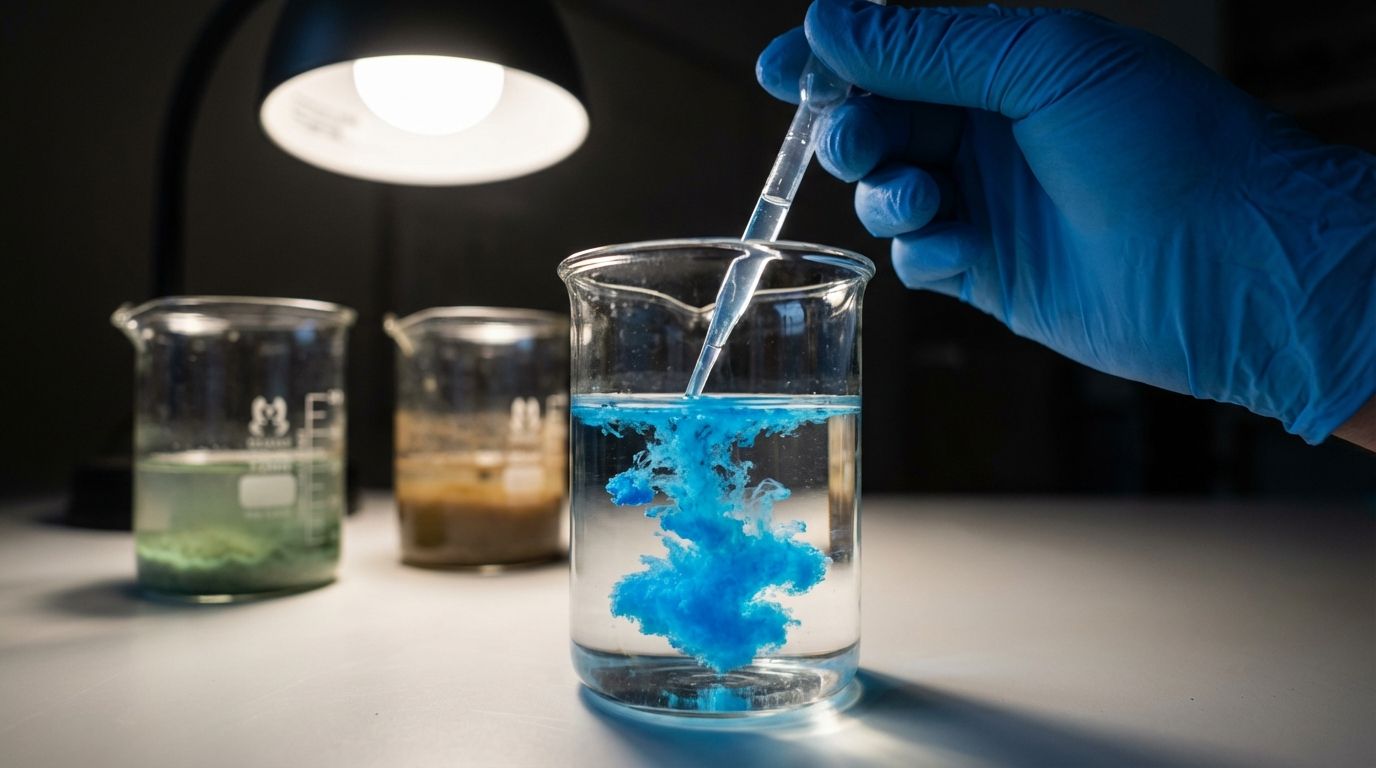
Dramatic close-up, wide-angle photograph of a gloved hand carefully adding drops from a pipette into a glass beaker, causing a vibrant, swirling blue precipitate to instantly form and diffuse through the clear liquid. In the slightly blurred background, other beakers show distinct green and brown precipitates, all bathed in bright, focused laboratory light.

AQA GCSE Chemistry: Identifying Anions and Precipitates

Covers chemical tests for metal cations using sodium hydroxide to form precipitates, and tests for anions including carbonates, halides, and sulfates. Includes the required practical on using these tests to identify the ions in an unknown single ionic compound.
StudyStudy From HereDetails
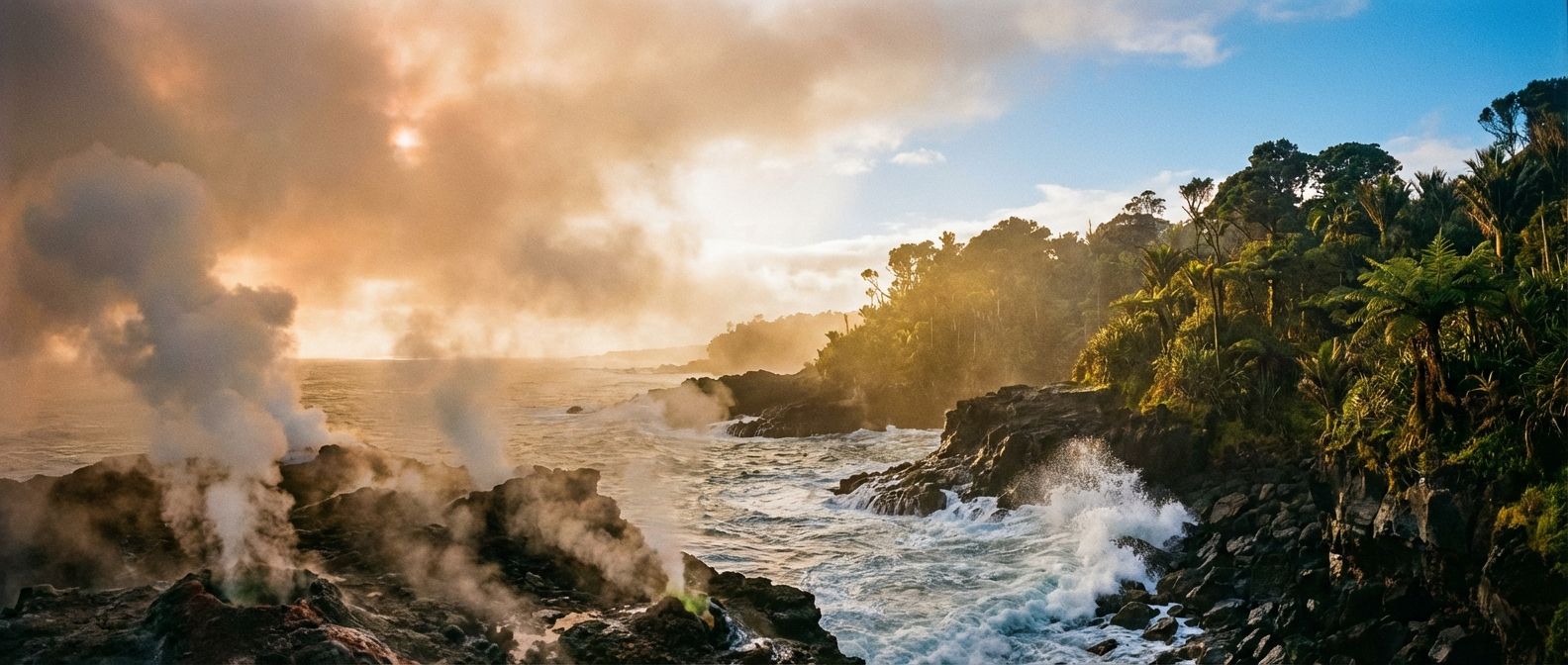
A dramatic wide-angle photograph of a primal Earth landscape. In the foreground, volcanic vents release steam and gases into a hazy, orange-tinged sky, while powerful waves crash against a rocky shore. In the mid-ground, lush green coastal vegetation is beginning to emerge under a sky where hints of clear blue are breaking through the clouds, illuminated by golden sunlight.

AQA GCSE Chemistry: The Evolving Atmosphere

Covers the composition of the modern atmosphere and theories about the evolution of the Earth's early atmosphere. This includes the role of volcanoes, the formation of oceans, and the increase in oxygen and decrease in carbon dioxide due to photosynthesis.
StudyStudy From HereDetails
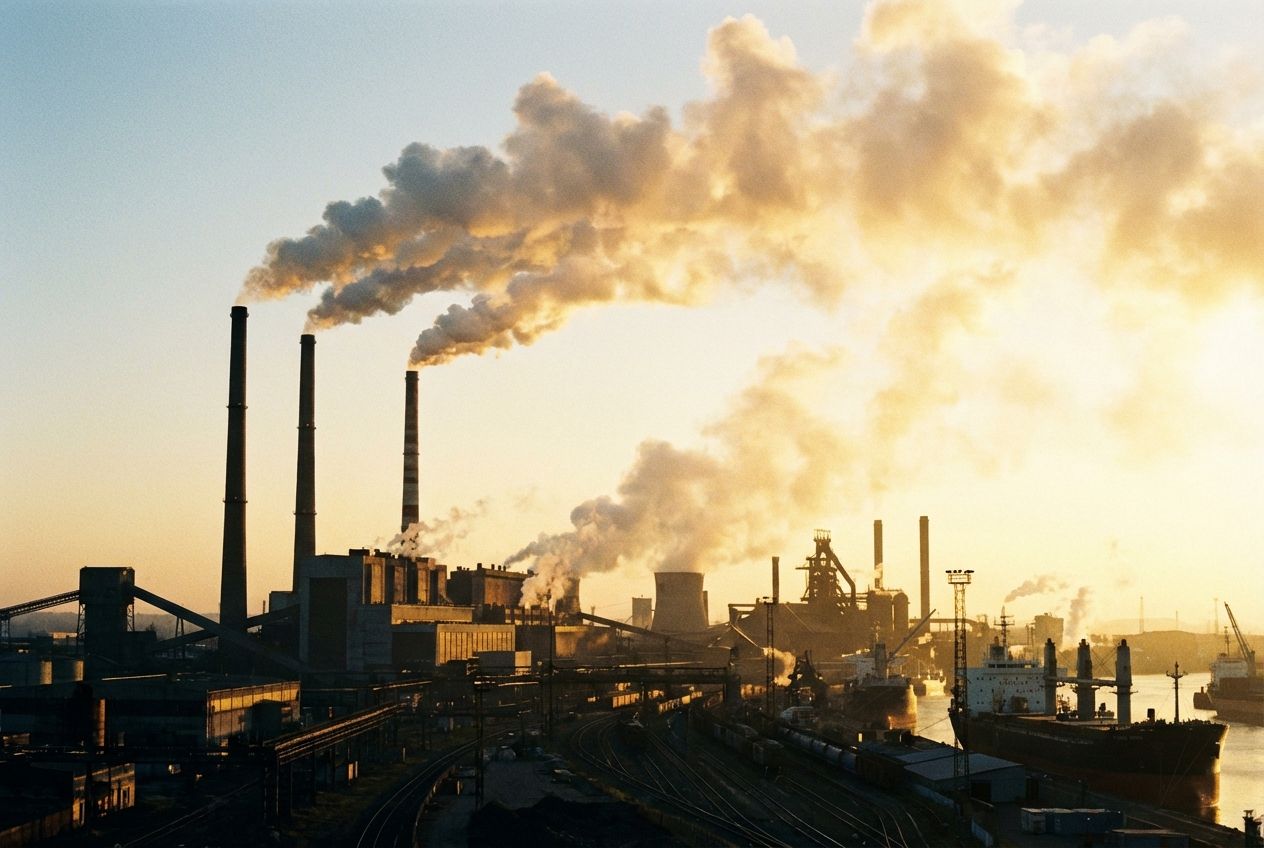
A dramatic wide-angle photograph of a sprawling industrial complex at dawn, with multiple towering smokestacks emitting plumes of smoke that catch the golden light, creating a powerful, almost ethereal haze against the emerging sky. The scene is composed for a 3:2 landscape frame, emphasizing both human activity and the vastness of the atmosphere.

AQA GCSE Chemistry: Climate Change and Pollutants

Covers greenhouse gases and their role in maintaining Earth's temperature, the link between human activities and enhanced global warming, the potential consequences of climate change, and the formation and effects of common atmospheric pollutants from burning fuels.
StudyStudy From HereDetails
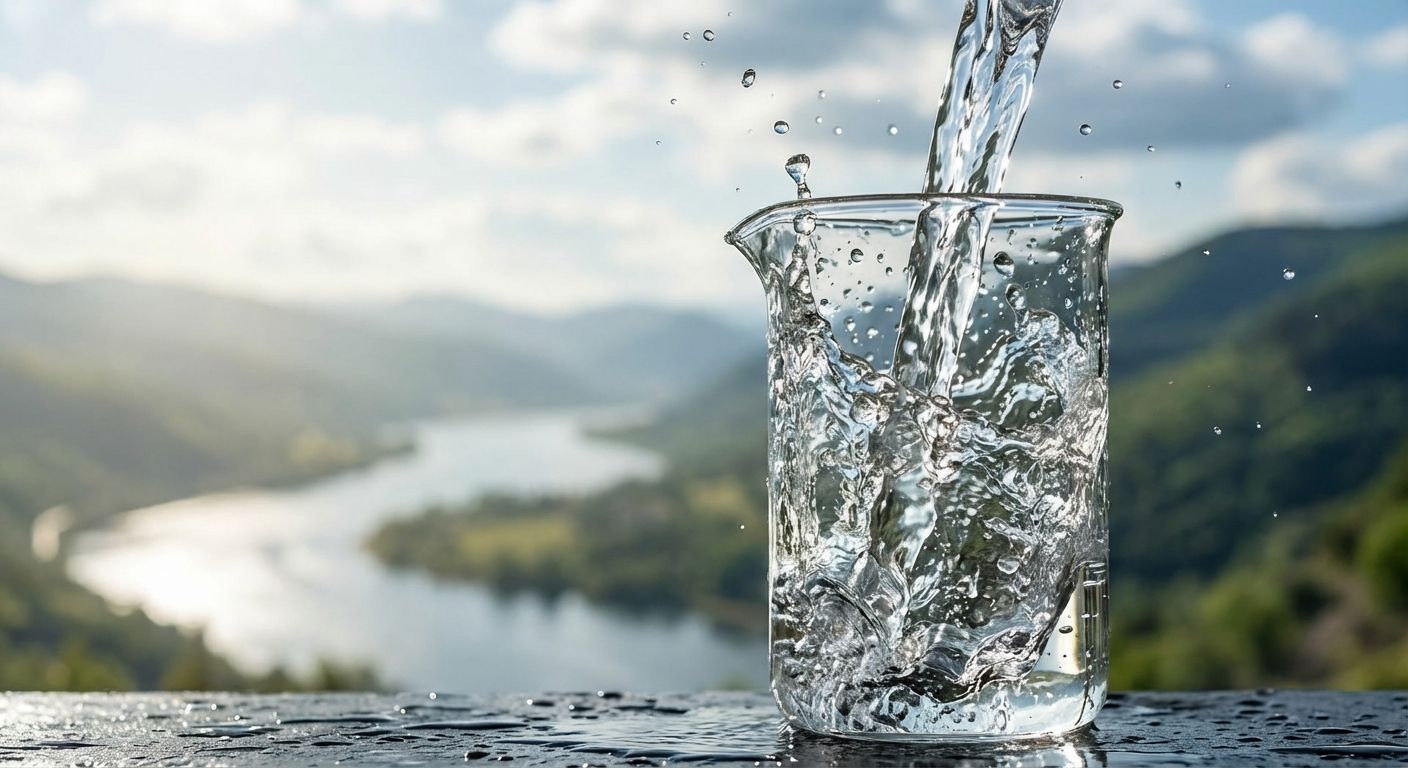
A dramatic close-up photograph of crystal-clear, purified water cascading and splashing into a clean glass beaker, perfectly focused. In the soft-focus background, a wide, serene landscape vista of a vast, natural freshwater lake or river under a bright sky, conveying the source and journey of water.

AQA GCSE Chemistry: Water Treatment and Analysis

Covers the importance of potable water, methods for producing it from fresh and salt water (desalination), and the stages of waste water treatment. Includes the required practical on the analysis and purification of water samples.
StudyStudy From HereDetails
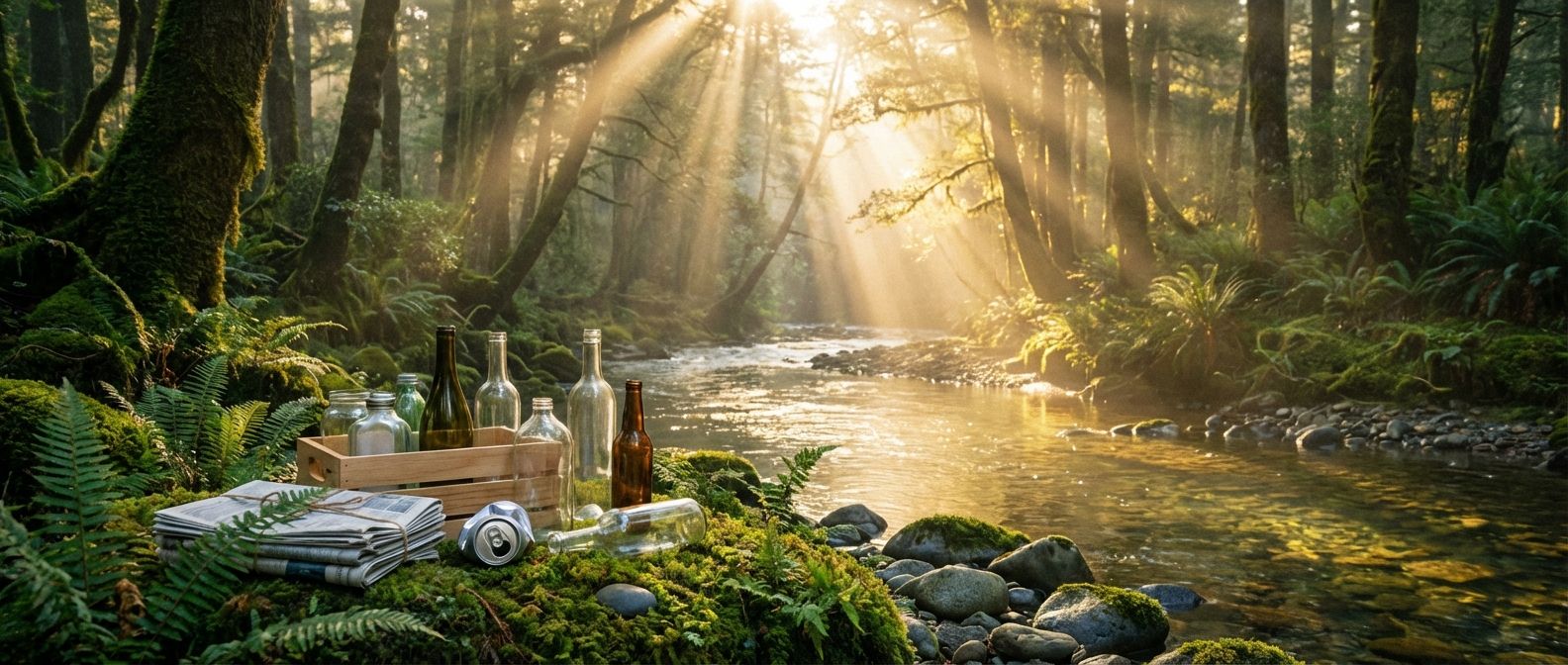
A dramatic wide-angle photograph of a lush, vibrant forest at sunrise, with golden light filtering through the canopy onto a winding, clear river. In the foreground, a small, carefully arranged collection of clean, diverse recycled materials (glass, metal, paper) are subtly integrated into the natural landscape, suggesting a harmonious cycle of resource use and renewal. The mood is hopeful and serene.

AQA GCSE Chemistry: Sustainable Resources and LCAs

Covers the use of Earth's resources and sustainable development, the principles of Life Cycle Assessments (LCAs) to assess environmental impact, methods for reducing resource use (reduce, reuse, recycle), and alternative methods of metal extraction like phytomining and bioleaching.
StudyStudy From HereDetails
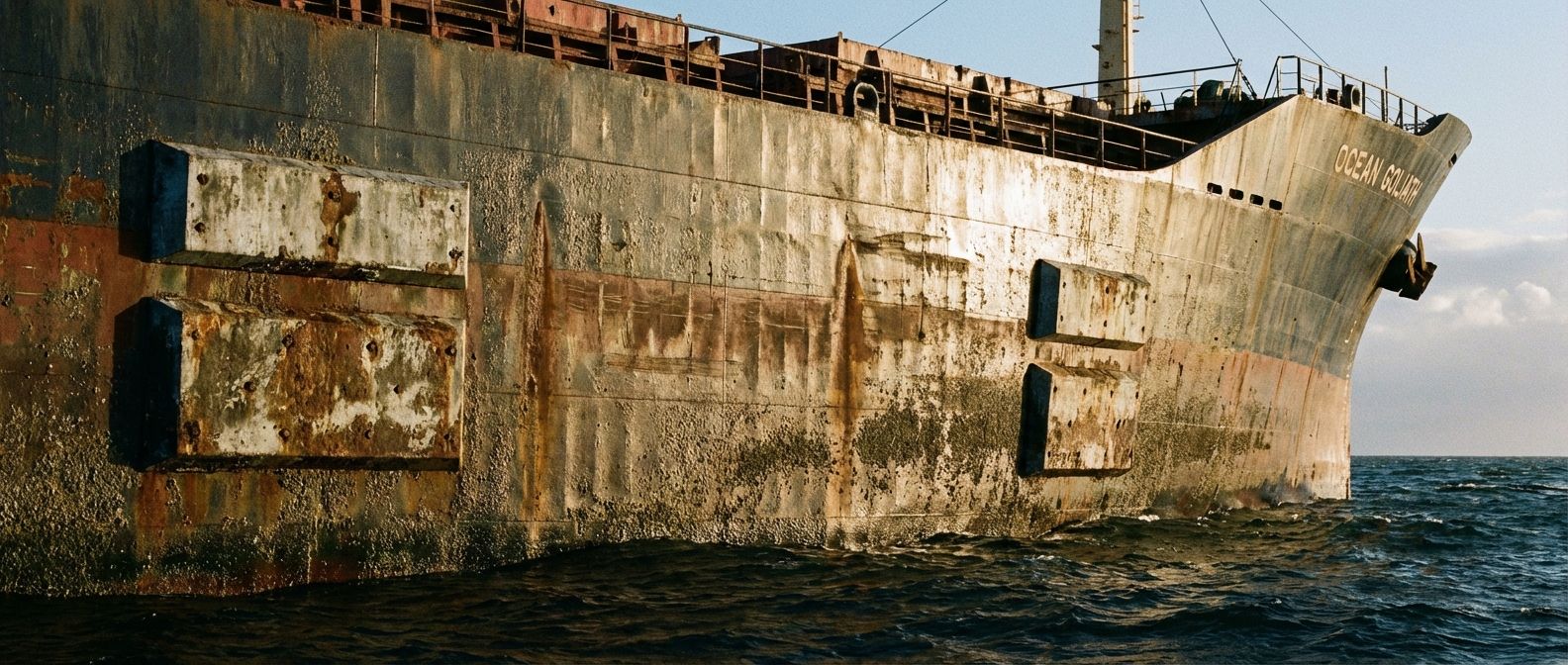
A dramatic, wide-angle photograph of the weathered steel hull of a large cargo ship, partially submerged in dark, choppy water. Prominent sacrificial zinc anodes are clearly visible, bolted onto the side of the hull, contrasting with areas showing minor rust streaks and the aged texture of the metal. The scene is illuminated by strong, raking natural light, emphasizing the textures and the vast scale of the vessel.

AQA GCSE Chemistry: Materials and Their Properties

Covers the corrosion of metals, specifically the rusting of iron, and methods of prevention. It also explores the properties and uses of alloys, ceramics, polymers, and composites.

StudyStudy From HereDetails

Learn GCSE Chemistry (AQA): Paper 2 differently

Auracle is an audio-first learning platform built for busy people. Memorize anything without looking at a screen.

Hands-Free Learning

Listen, interact, and review cards entirely through audio. Perfect for commuting, walking, or at the gym.

Spaced Repetition

Auracle uses a scientific algorithm to schedule your reviews at the optimal time, ensuring you never forget what you learn.

Learn how it works

Ready to start the GCSE Chemistry (AQA): Paper 2 audio course?