Auracle
A dramatic wide-angle photograph of a grand, sweeping spiral staircase ascending into a soft, ethereal light from above, emphasizing the repeating steps and the continuous, elegant curve of the structure. The scene is composed for a 3:2 landscape frame, with intricate architectural details and a sense of endless progression.
CoursePublicCreated 25/03/2026

GCSE Mathematics: Higher Tier (9-1)

This is the complete Higher Tier GCSE Maths syllabus, built for grades 7, 8, and 9. It covers all the content for AQA, Edexcel, and OCR.

Total Decks
52
Course Completion
0%
0/52 Decks
Answer Language
en-GB
Course Completion
0%
0/52 Decks

Decks in this Course

52 items
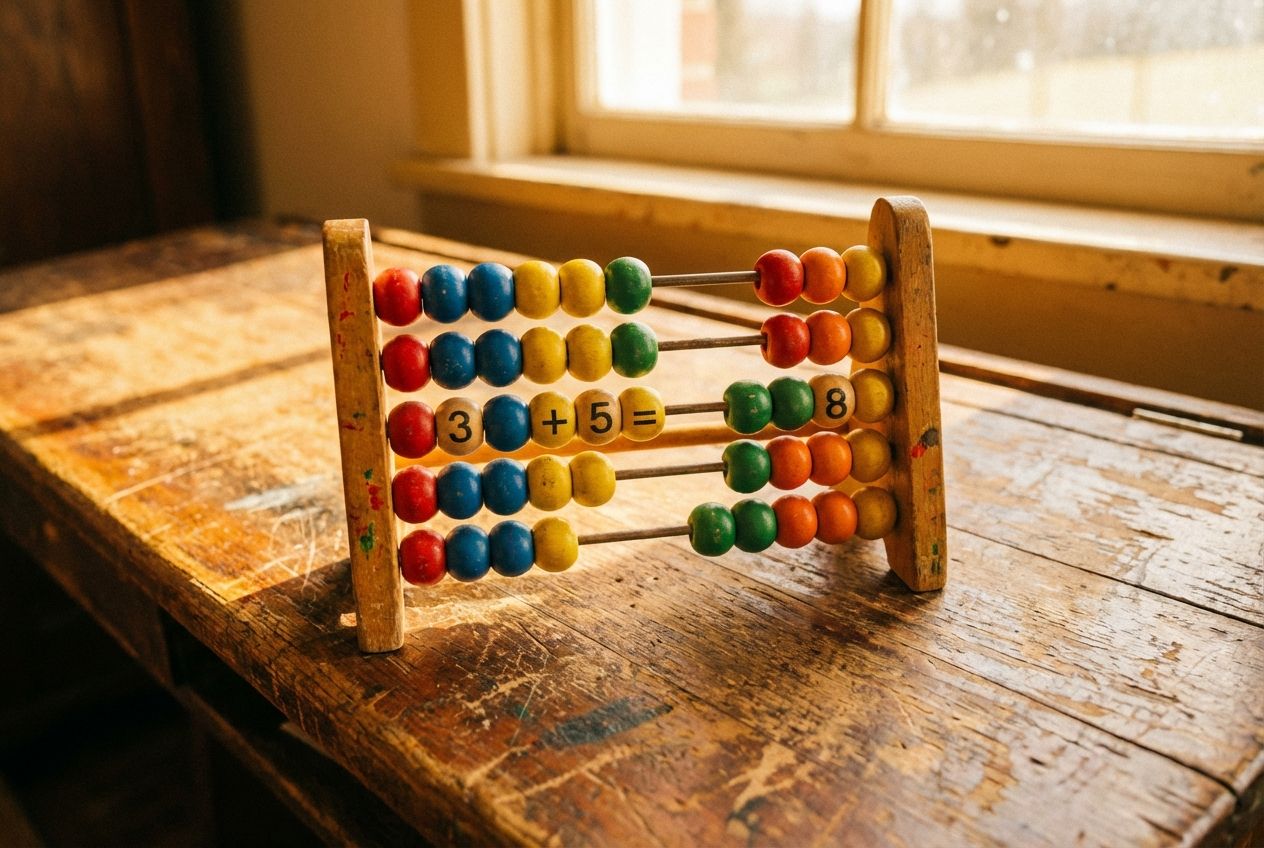
A close-up photograph of a vintage abacus with brightly colored beads, resting on a worn wooden desk illuminated by warm, inviting sunlight. The focus is on the center of the abacus, where the beads are arranged to represent a simple math equation, symbolizing the core number skills being taught.

GCSE Maths: Core Number Skills

Understand and apply the order of operations (BIDMAS), and work with integers, decimals, and fractions in calculations. This deck covers the foundational arithmetic skills needed for the entire course.
StudyStudy From HereDetails
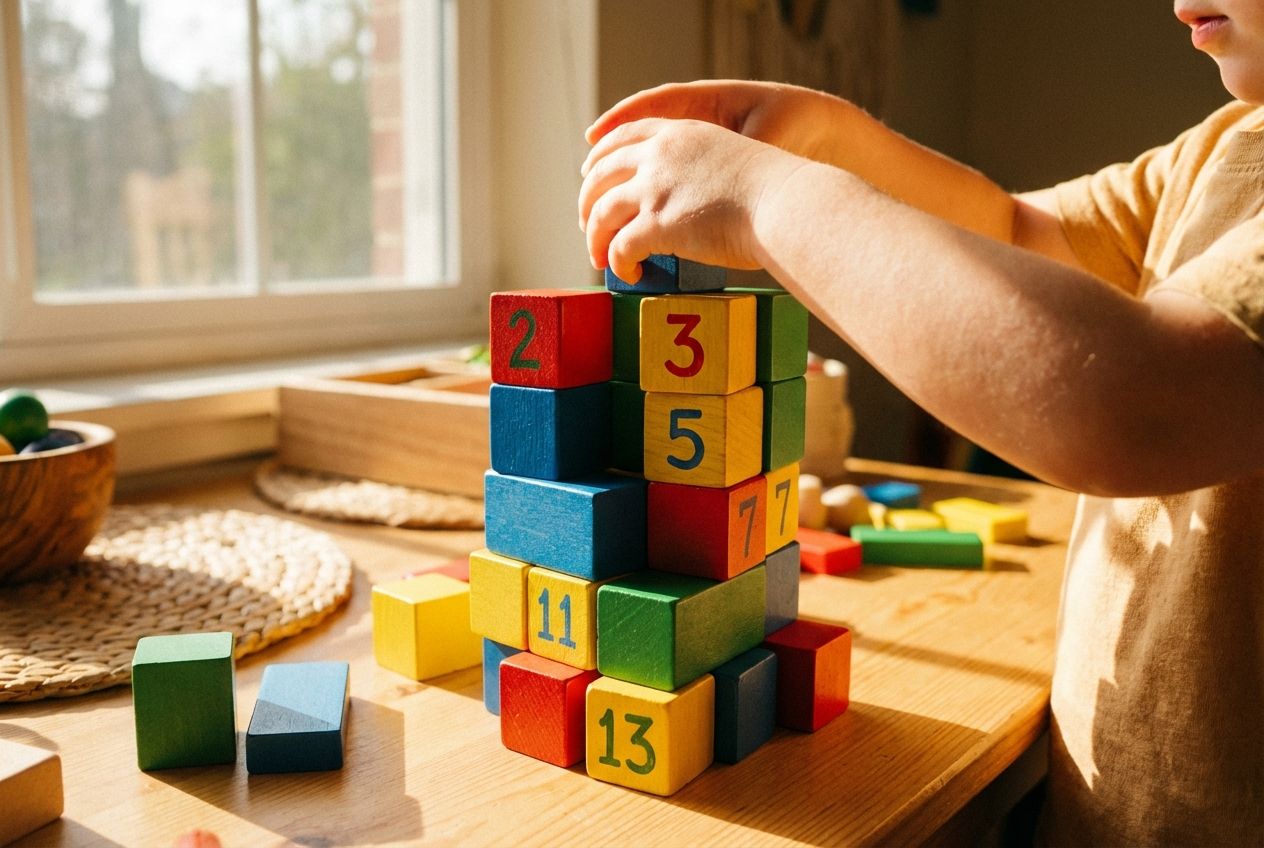
A close-up photograph of a child's hands using colorful wooden blocks to build a tower, some blocks have prime numbers written on them, like 2, 3, 5, and 7. The lighting is warm and inviting, suggesting a playful learning environment.

GCSE Maths: Factors, Multiples, and Primes

Define and identify factors, multiples, and prime numbers. Learn to use prime factor decomposition to find the Highest Common Factor (HCF) and Lowest Common Multiple (LCM) of two numbers.

StudyStudy From HereDetails
A perfectly polished bowling ball at the apex of its trajectory, milliseconds before striking the pins, studio lighting.

GCSE Maths: Laws of Indices

Learn and apply the laws of indices for multiplication, division, powers, and zero, negative, and fractional indices to simplify and evaluate expressions.
StudyStudy From HereDetails
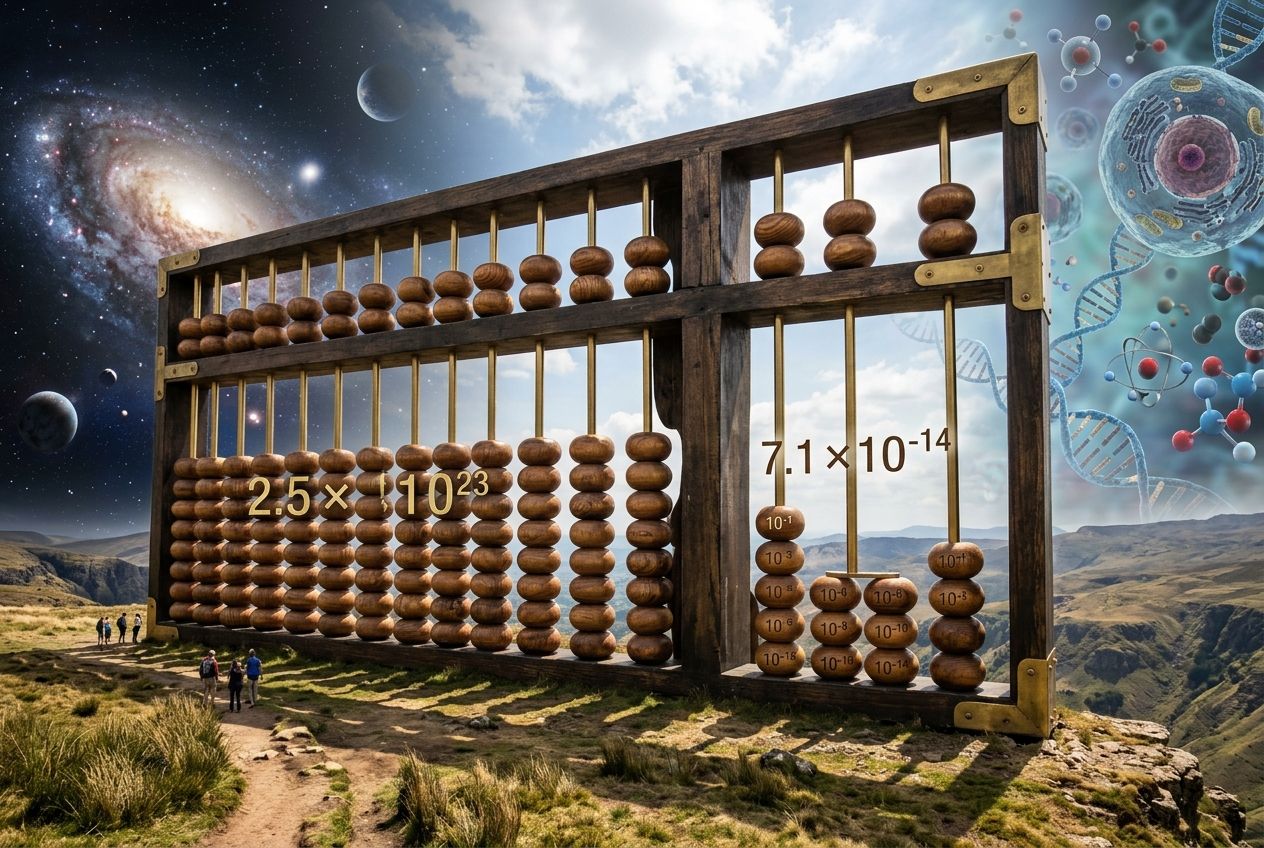
A wide, sunlit landscape featuring an enormous abacus with gleaming brass fittings. The beads are arranged to display both very large and very small numbers in standard form, with a blurred background suggesting the vastness of space and the microscopic world.

GCSE Maths: Standard Form

Learn to write large and small numbers in standard form, convert back to ordinary numbers, and perform calculations like multiplication, division, addition, and subtraction with them.
StudyStudy From HereDetails
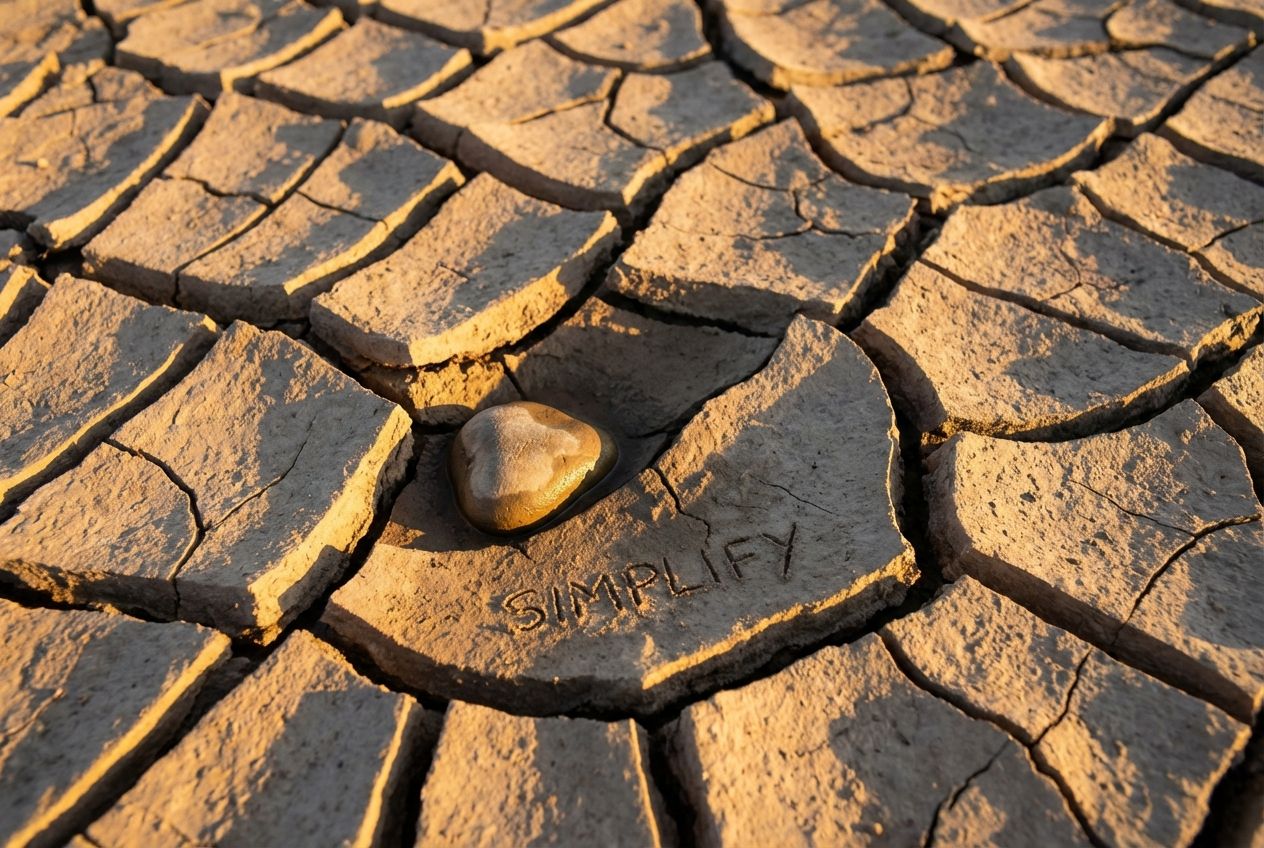
A close-up shot of a cracked, dry riverbed during a drought, symbolizing the need to "simplify" and find the hidden, essential water source (the simplified surd). The image is shot at golden hour, with warm light illuminating the cracked earth and creating long shadows.

GCSE Maths: Understanding and Simplifying Surds

Understand what a surd is and learn the rules for simplifying surds, multiplying and dividing them, and expanding brackets containing surds.

StudyStudy From HereDetails
Close-up, dramatic photograph of two intricate, antique brass gears, one slightly offset and about to perfectly interlock with the other, symbolizing the precise mechanism of rationalizing complex mathematical expressions. The gears are highly detailed with subtle, elegant etchings, and the background is a soft, warm blur, emphasizing the precise moment of connection and resolution.

GCSE Maths: Rationalising the Denominator

Learn the method for rationalising the denominator of a fraction, for both simple surd denominators and those involving two terms.
StudyStudy From HereDetails
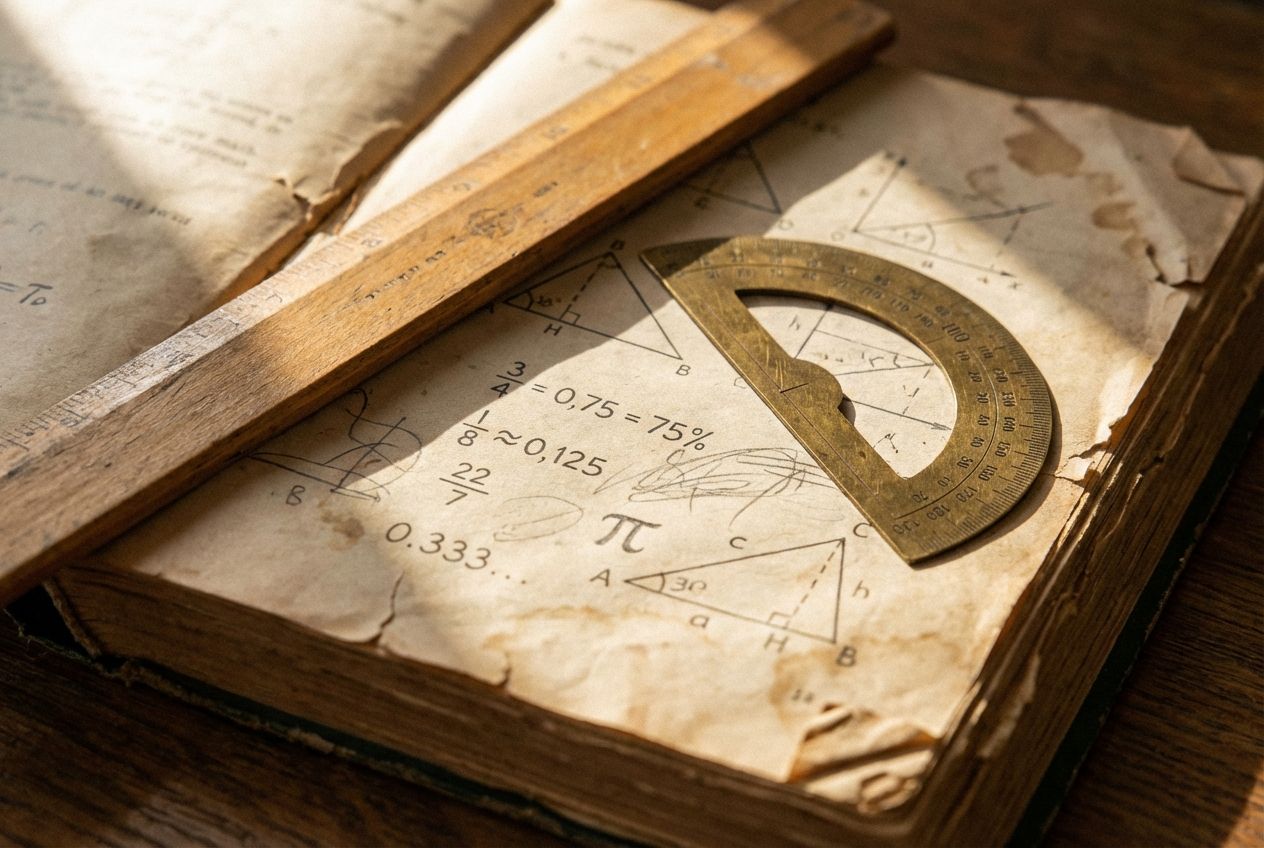
A close-up shot of a protractor and a ruler resting on top of a weathered math textbook, with various fractions, decimals, and percentages scribbled in pencil in the margins around them. The scene is lit with warm, inviting sunlight.

GCSE Maths: Fractions, Decimals, and Percentages

Master the conversion between fractions, decimals, and percentages, including the algebraic method for converting recurring decimals to fractions.
StudyStudy From HereDetails
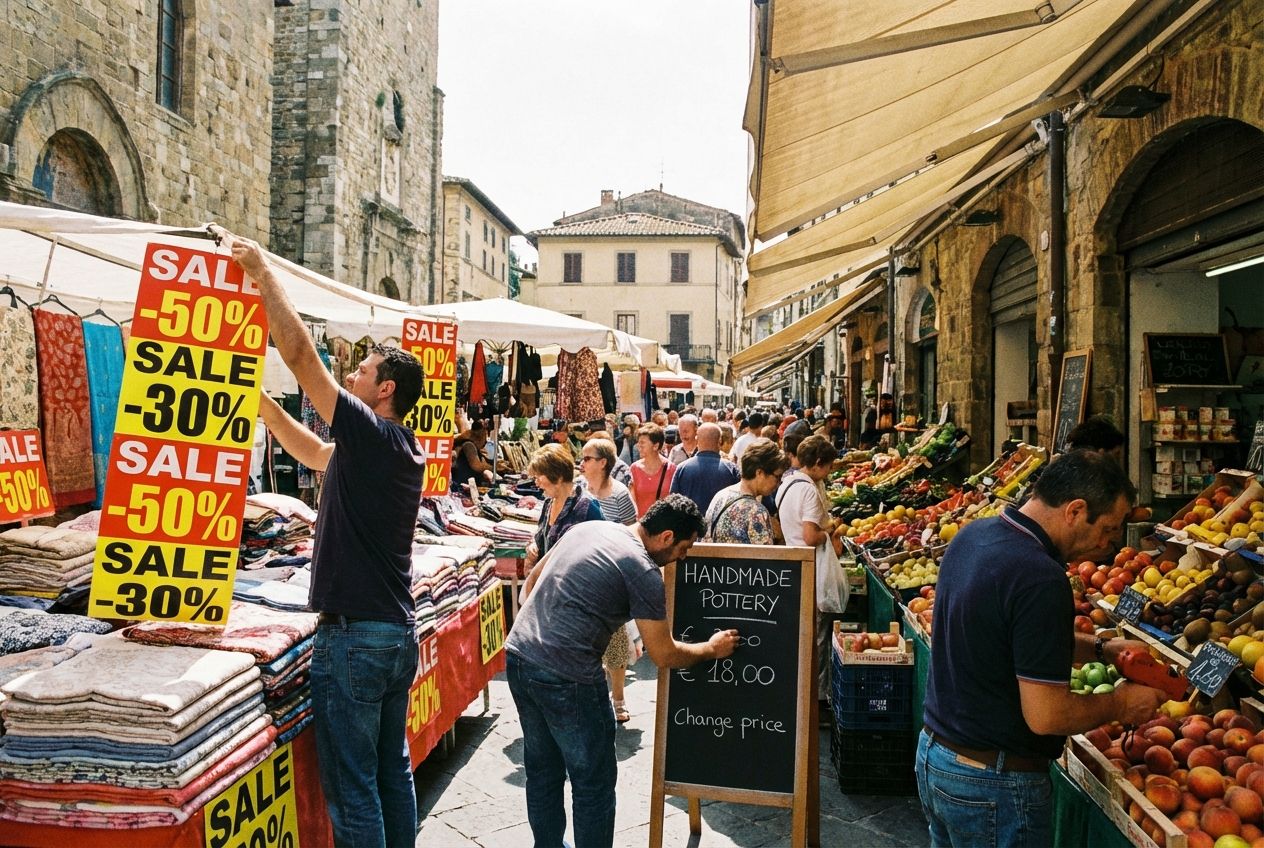
A wide-angle shot of a bustling marketplace with vendors selling various goods. Some items have prominent sale stickers with percentage discounts, while other vendors are adjusting their prices. The scene is filled with vibrant colours and natural lighting, capturing the essence of commerce and price changes.

GCSE Maths: Percentage Change

Learn to calculate a percentage of an amount, find a percentage increase or decrease using multipliers, and solve reverse percentage problems.

StudyStudy From HereDetails
A close-up, dramatic photograph of a single, vibrant dandelion puffball in an open field, with its delicate seeds scattering into the air against a soft, sunlit background, symbolizing abstract ideas spreading from a concrete source.

GCSE Maths: Compound Growth and Decay

Understand the concept of compound interest and depreciation. Learn to use the formula to solve problems involving repeated percentage change.
StudyStudy From HereDetails
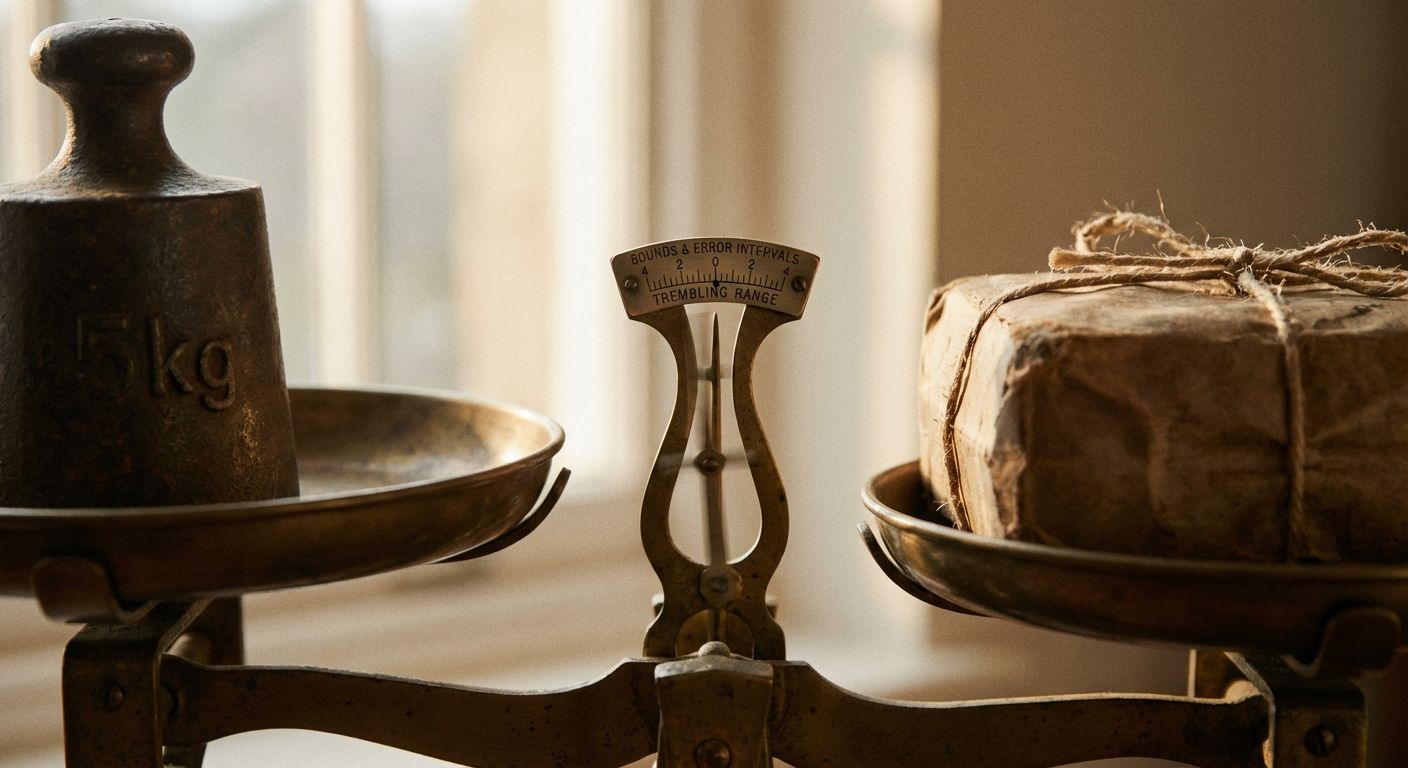
A cinematic close-up of an antique brass balance scale in dramatic, soft light. On one pan rests a 5kg metal weight, while the other holds a small, rustic parcel. The scale's delicate needle is not perfectly still, but subtly oscillates within a narrow, almost imperceptible range around the central balance point, illustrating the concept of bounds and error intervals.

GCSE Maths: Rounding, Bounds, and Error Intervals

Learn to round numbers to a given degree of accuracy and find the upper and lower bounds of a rounded number. Understand how to write an error interval.
StudyStudy From HereDetails
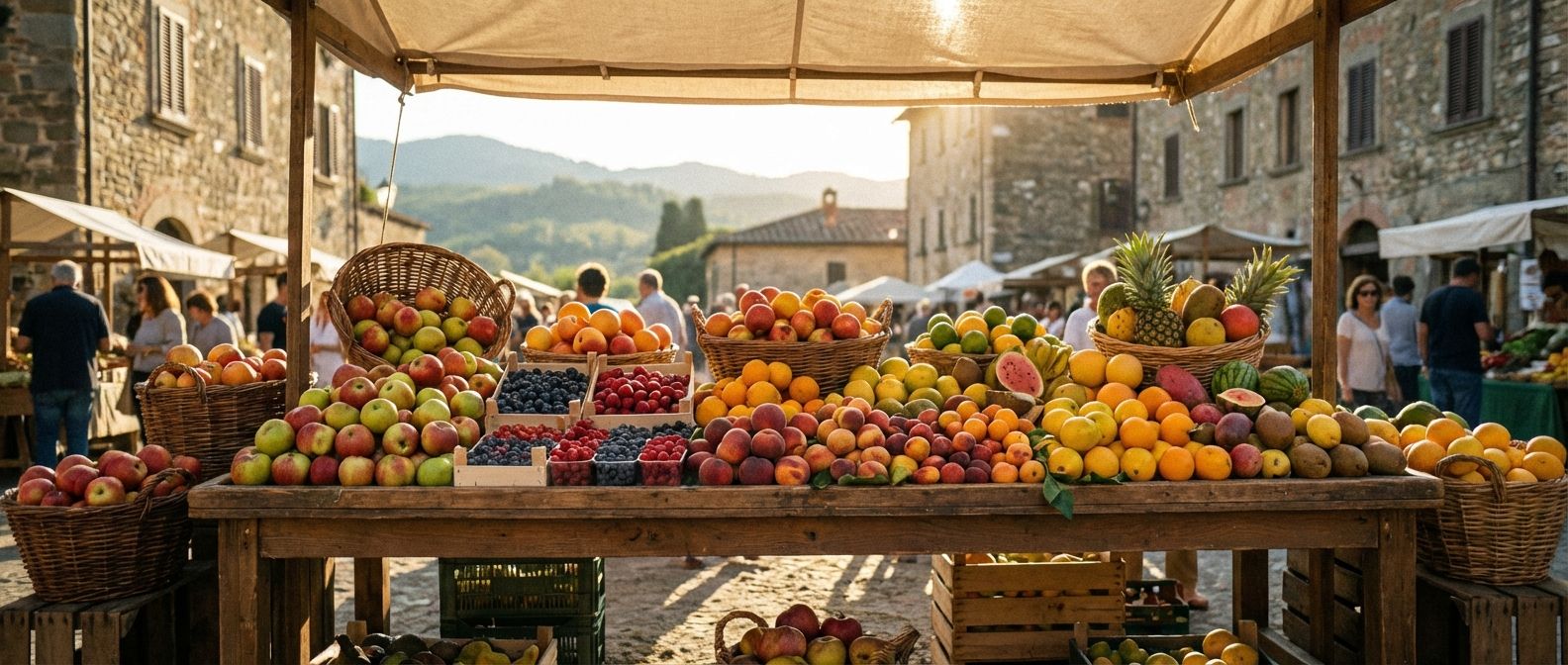
A beautiful, wide-angle photograph of a rustic market stall table laden with an abundant, vibrant display of different kinds of fresh fruit, with some fruits neatly grouped together in baskets or piles, bathed in warm natural light.

GCSE Maths: Introduction to Algebra

Learn the fundamentals of algebra, including key notation like terms and expressions. This deck will teach you how to simplify expressions by collecting like terms and how to find the value of an expression by substituting numbers.
StudyStudy From HereDetails
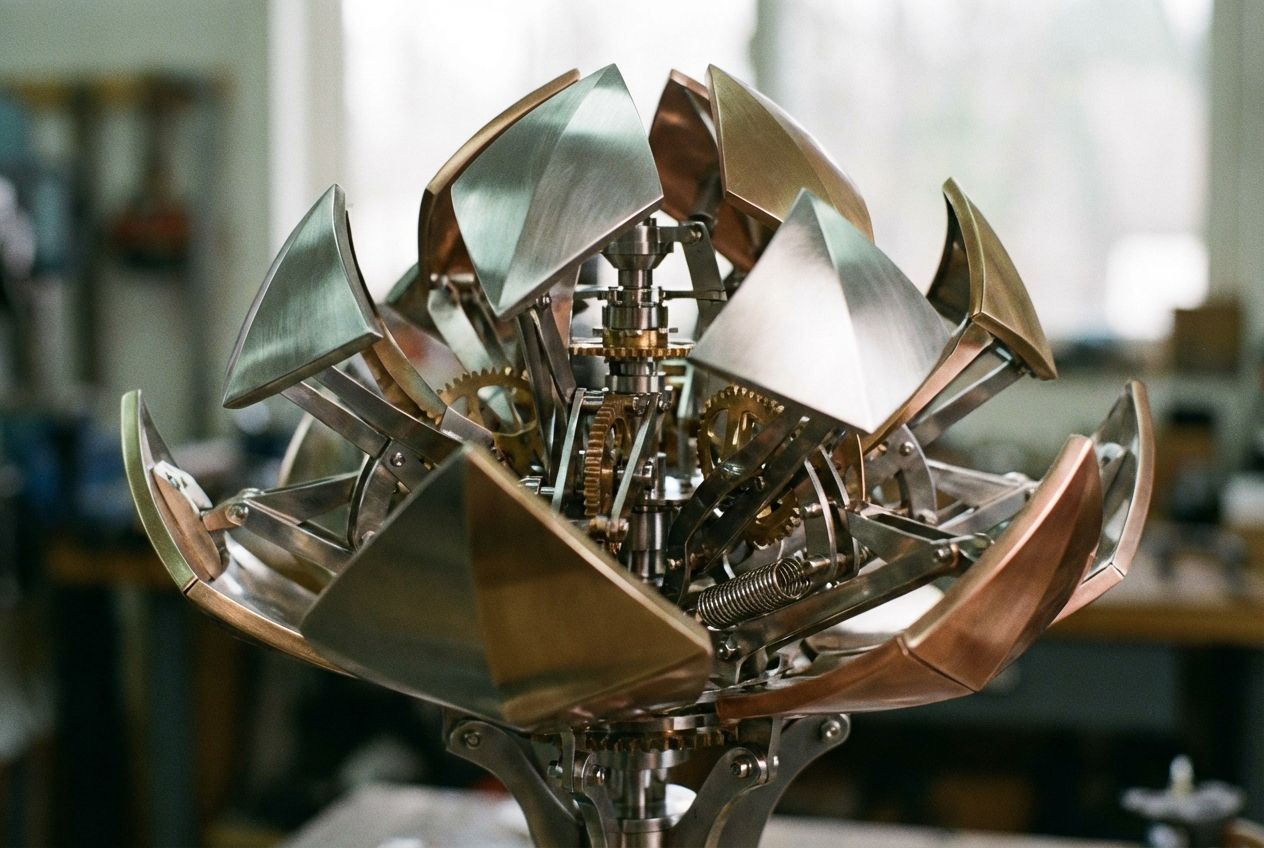
A dramatic close-up photograph of an intricate, polished metal kinetic sculpture slowly unfolding its geometric segments, revealing complex, interconnected internal mechanisms. The scene is bathed in soft, diffused light, highlighting the precision and systematic expansion of its parts, composed for a 3:2 landscape frame.

GCSE Maths: Expanding Brackets

Learn how to expand single brackets and pairs of brackets, including squaring a bracket and dealing with more complex expansions.
StudyStudy From HereDetails
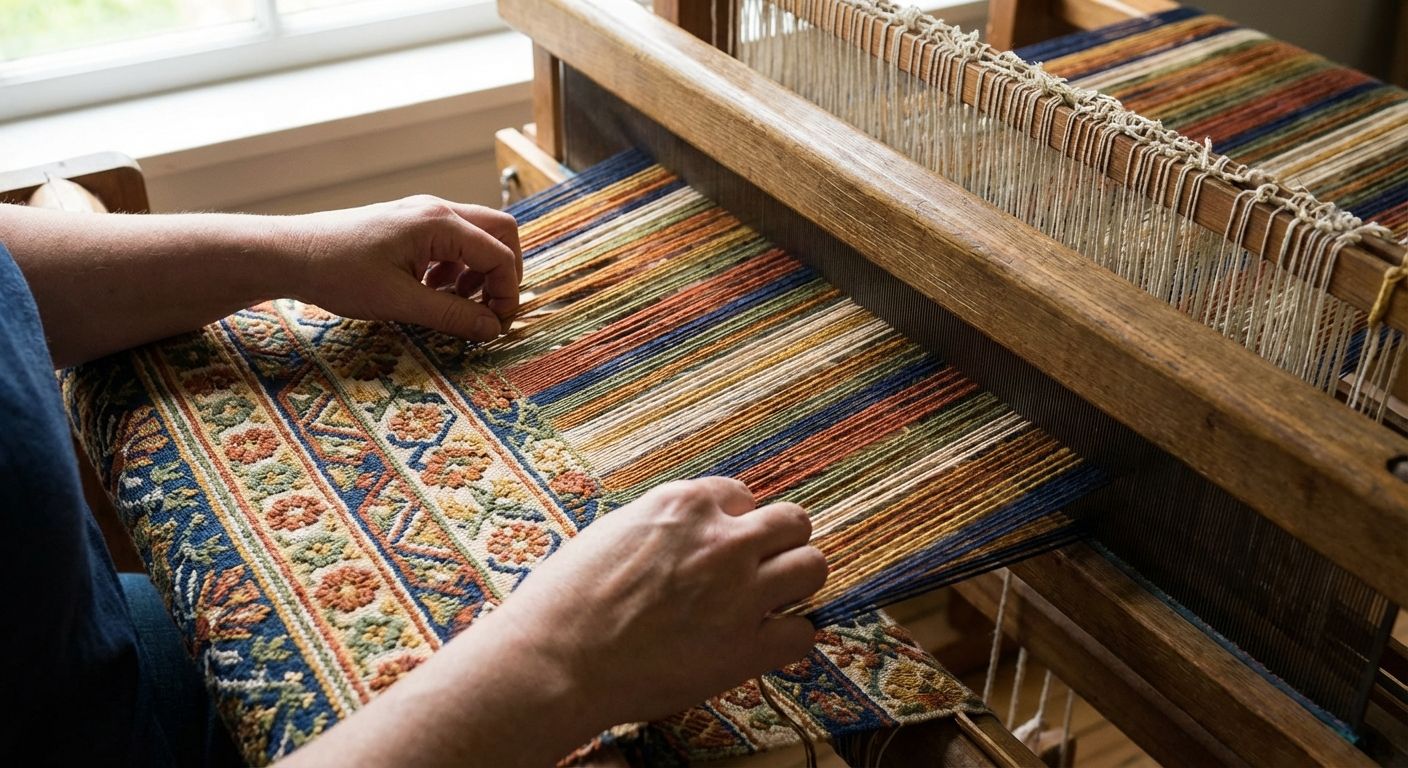
A close-up, high-angle photograph of hands intricately weaving colorful threads on a traditional loom or with knitting needles. The threads flow smoothly, forming a complex and harmonious pattern, bathed in soft, natural light, emphasizing texture and detail.

GCSE Maths: Factorising Expressions

Learn the process of factorising, which is the reverse of expanding. This deck covers factorising into a single bracket, the difference of two squares, and simple quadratic expressions.

StudyStudy From HereDetails
A high-contrast, atmospheric close-up photograph of a skilled artisan's hands meticulously placing a tiny, intricate gear into a complex, partially assembled vintage clockwork mechanism. Soft, focused lighting illuminates the delicate metal components and the precise action.

GCSE Maths: Factorising Harder Quadratics

Learn the 'ac' method for factorising quadratic expressions of the form ax-squared plus bx plus c, where the coefficient of the squared term is greater than one.
StudyStudy From HereDetails
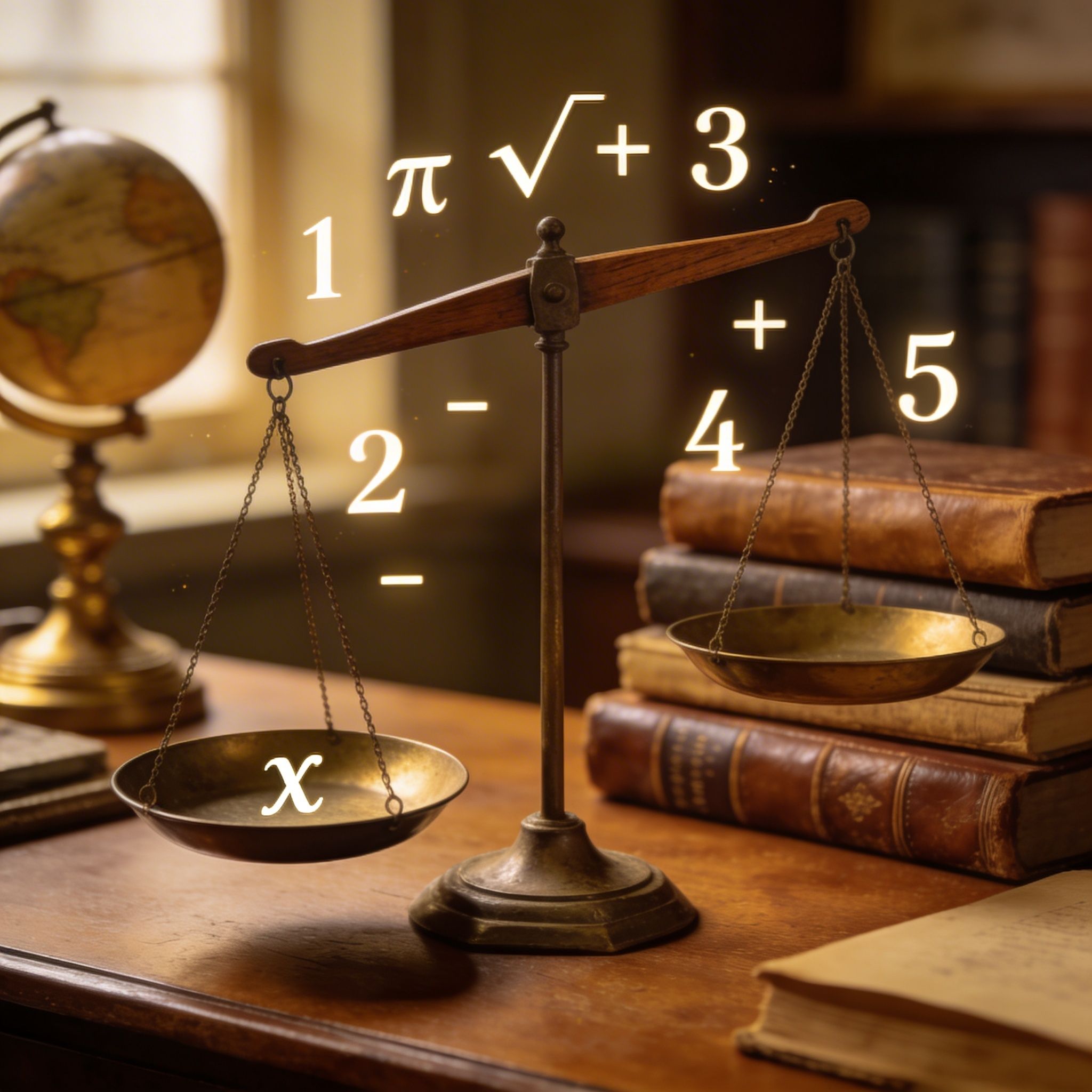
A photograph of an old-fashioned balance scale with mathematical symbols and numbers floating around it, with "x" on one side, slightly unbalanced. The backdrop is a softly lit study with vintage books and a globe.

GCSE Maths: Solving Linear Equations

Learn the methods for solving linear equations, including those with brackets, unknowns on both sides, and fractional terms.
StudyStudy From HereDetails
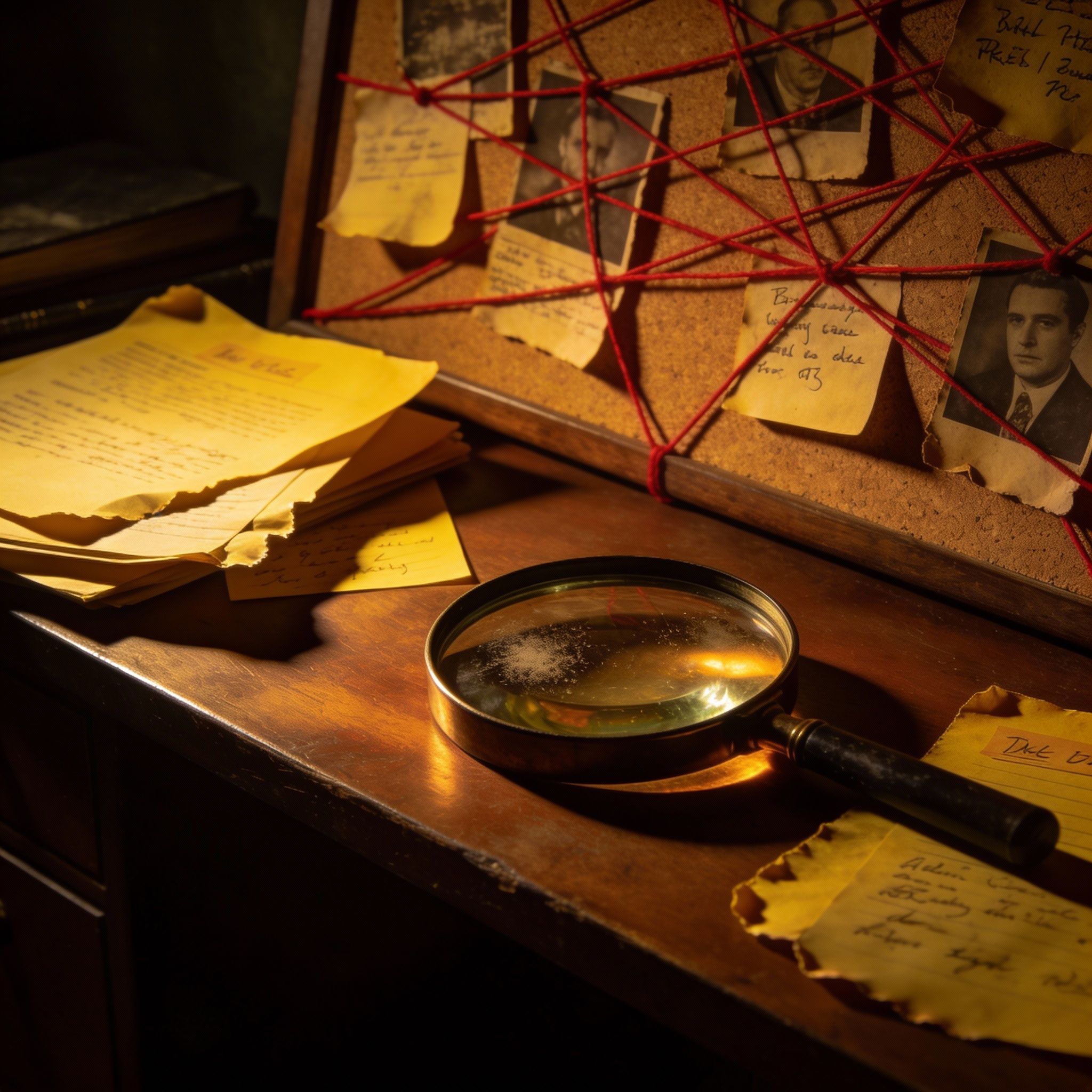
A detective's desk bathed in noir-style light, cluttered with magnifying glasses, yellowed documents, and a corkboard connected by red string. The scene conveys the feeling of piecing together a complex puzzle.

GCSE Maths: Forming and Solving Equations

Learn how to translate word problems into algebraic equations and then solve them. This includes problems involving shapes, angles, and real-life scenarios.
StudyStudy From HereDetails
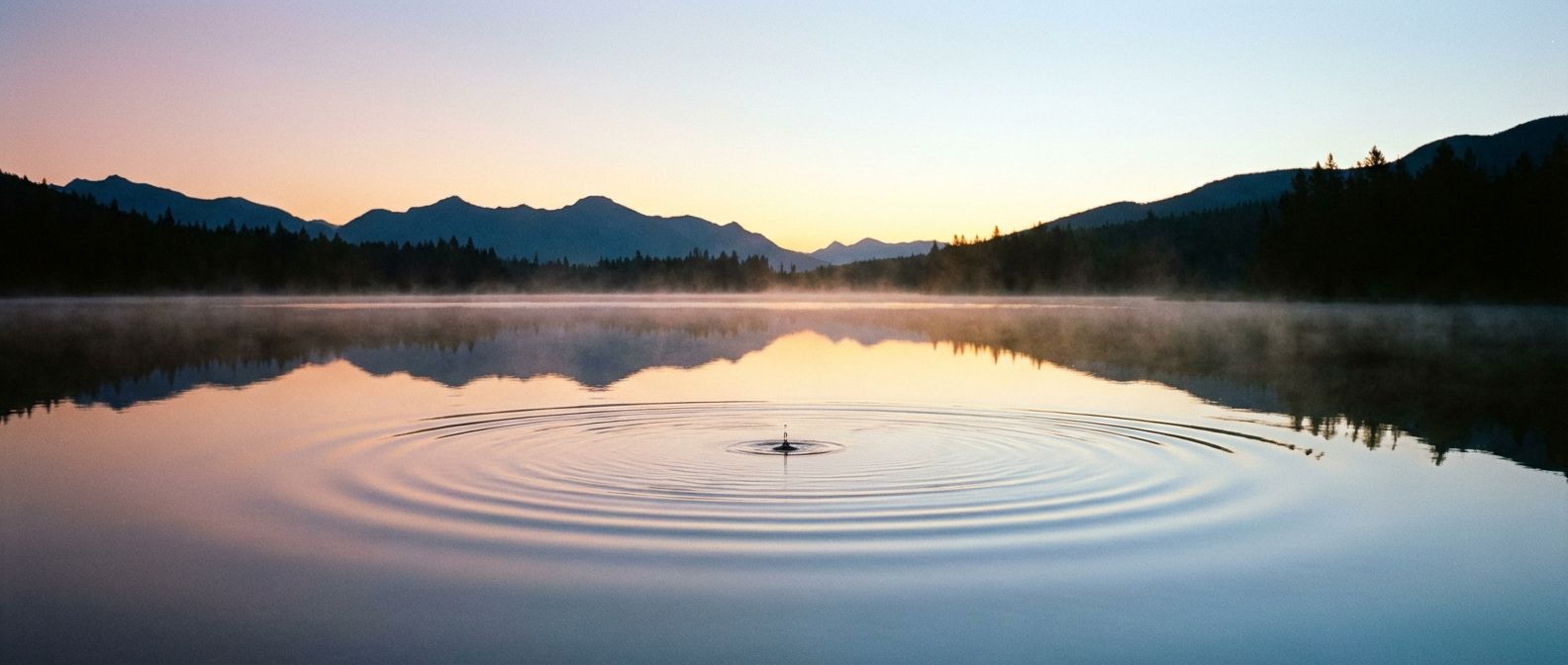
A serene, wide-angle photograph of a perfectly still lake at dawn, reflecting a clear sky. Two distinct, symmetrical ripples gently expand across the mirror-like surface from a single, subtle point of impact, creating a sense of balance and clarity.

GCSE Maths: Solving Quadratics by Factorising

Learn how to solve a quadratic equation by first factorising it. This deck covers rearranging the equation to equal zero, the principle of setting factors to zero, and finding the final solutions.
StudyStudy From HereDetails
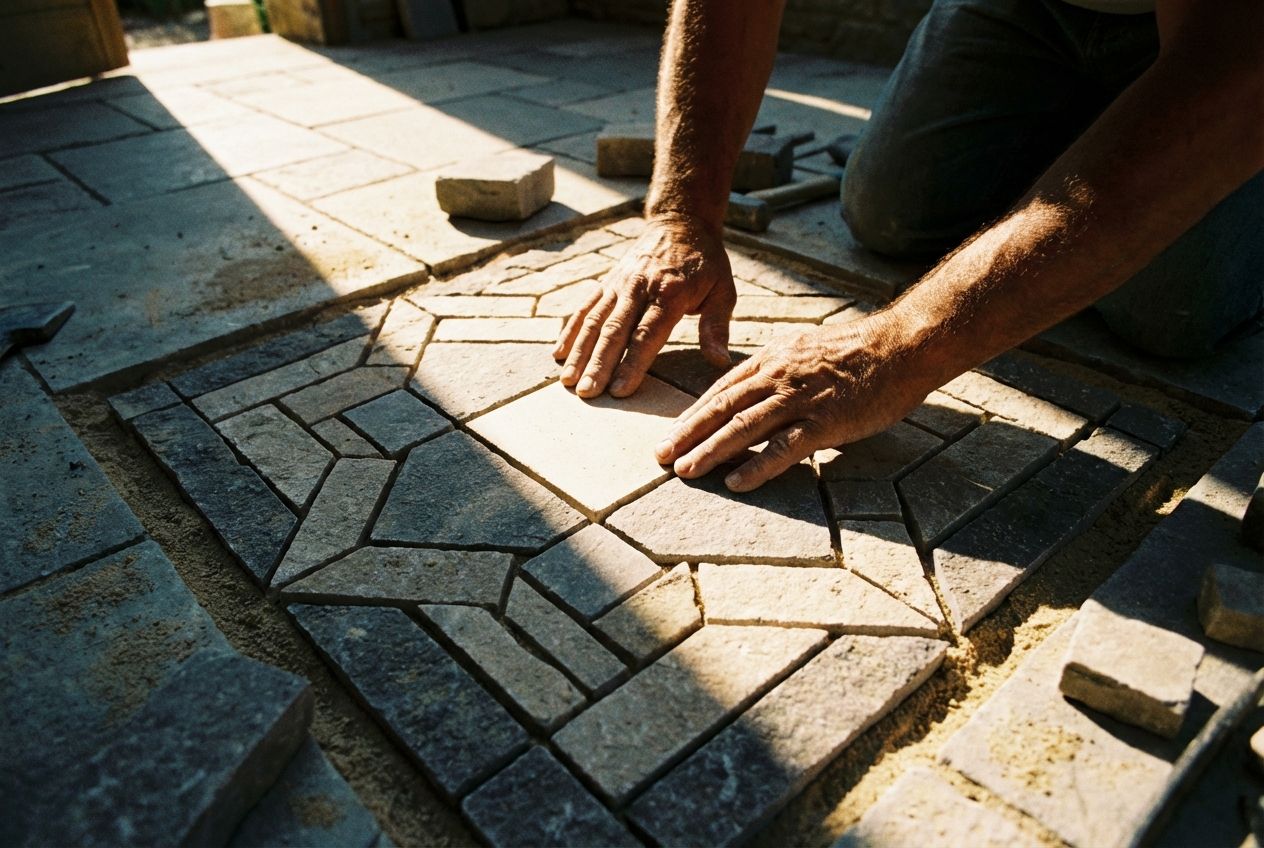
A dramatic close-up photograph of a craftsman's hands meticulously placing the final, perfectly square stone tile into a complex geometric paving pattern on a sunlit patio. A strong, singular beam of light dramatically illuminates the precise center of this newly completed square, symbolizing a pivotal turning point. Wide angle, vivid and detailed, 3:2 landscape.

GCSE Maths: Completing the Square

Learn the method of completing the square to rewrite a quadratic expression in the form 'x plus a, all squared, plus b', and use this to find the turning point of a quadratic graph.
StudyStudy From HereDetails
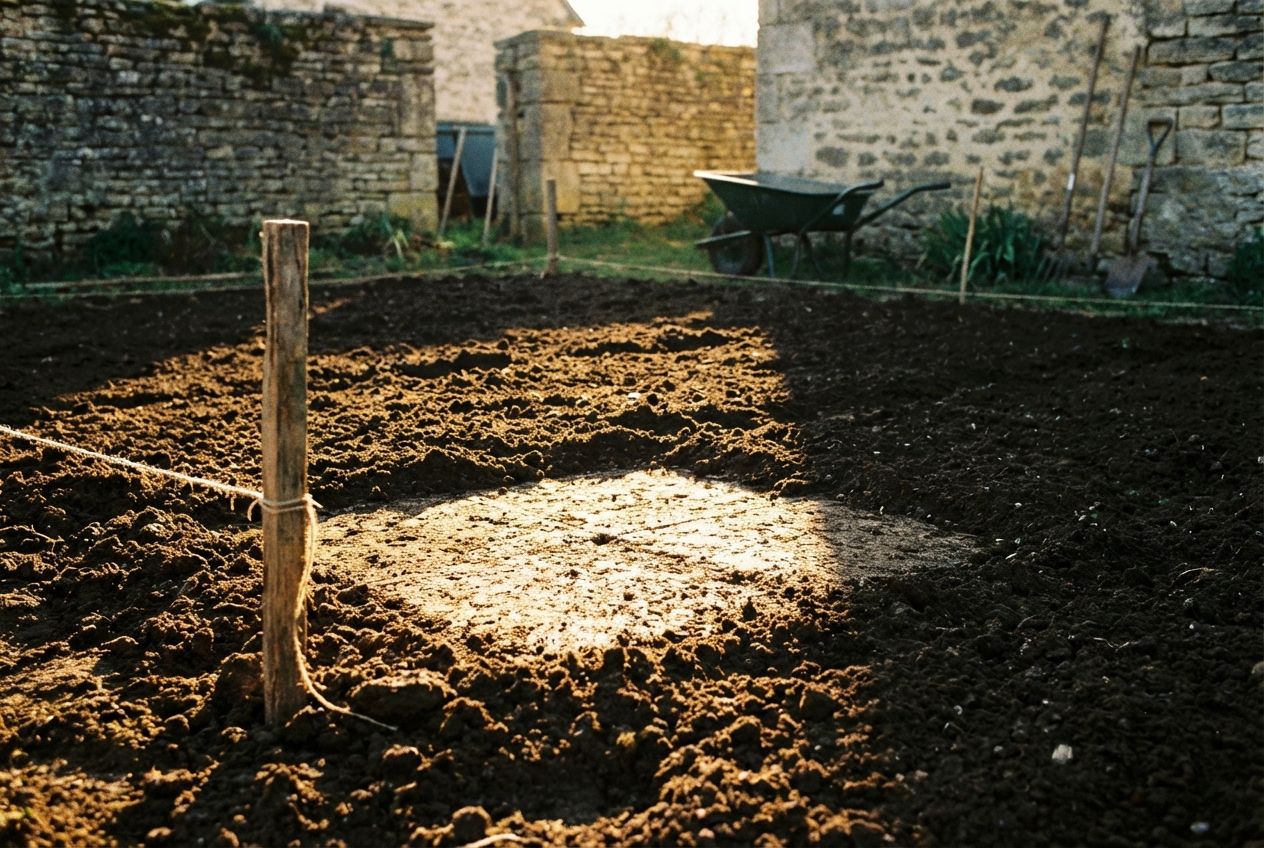
A sunlit, freshly tilled garden plot seen from a low angle, with a single, perfectly formed square section highlighted by brighter sunlight, ready for planting.

GCSE Maths: Solving Quadratics by Completing the Square

Learn how to solve a quadratic equation using the completed square form.
StudyStudy From HereDetails
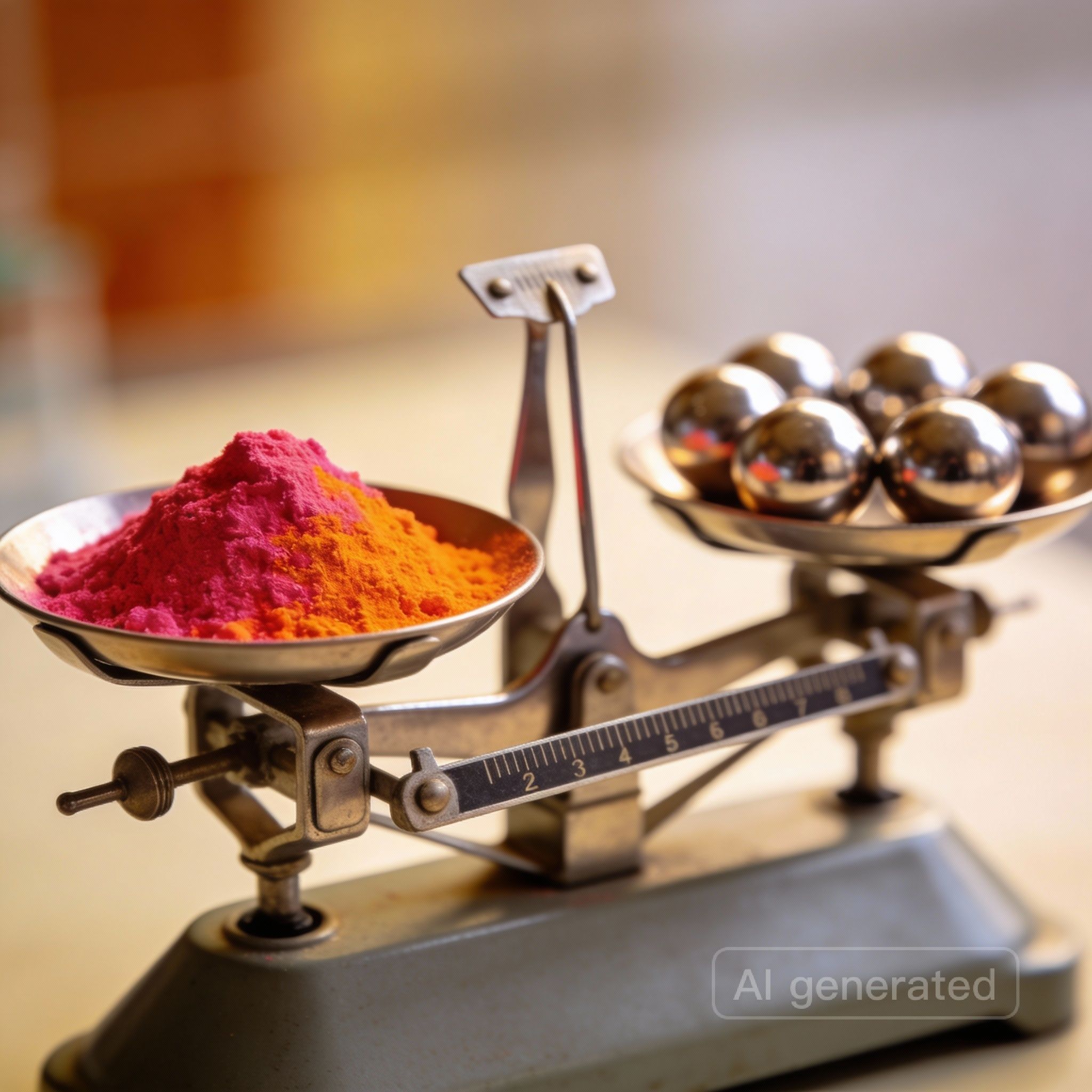
A close-up shot of a triple-beam balance, with a small pile of brightly colored chemical powder on one side and several shiny, identical metal spheres on the other, balanced perfectly. The scene is lit with soft, diffused light, highlighting the textures of the powder and the metal.

GCSE Maths: The Quadratic Formula

Learn the quadratic formula, understand its components like the discriminant, and know how to identify the values of a, b, and c from any quadratic equation. This deck prepares you to substitute values correctly and solve equations.
StudyStudy From HereDetails
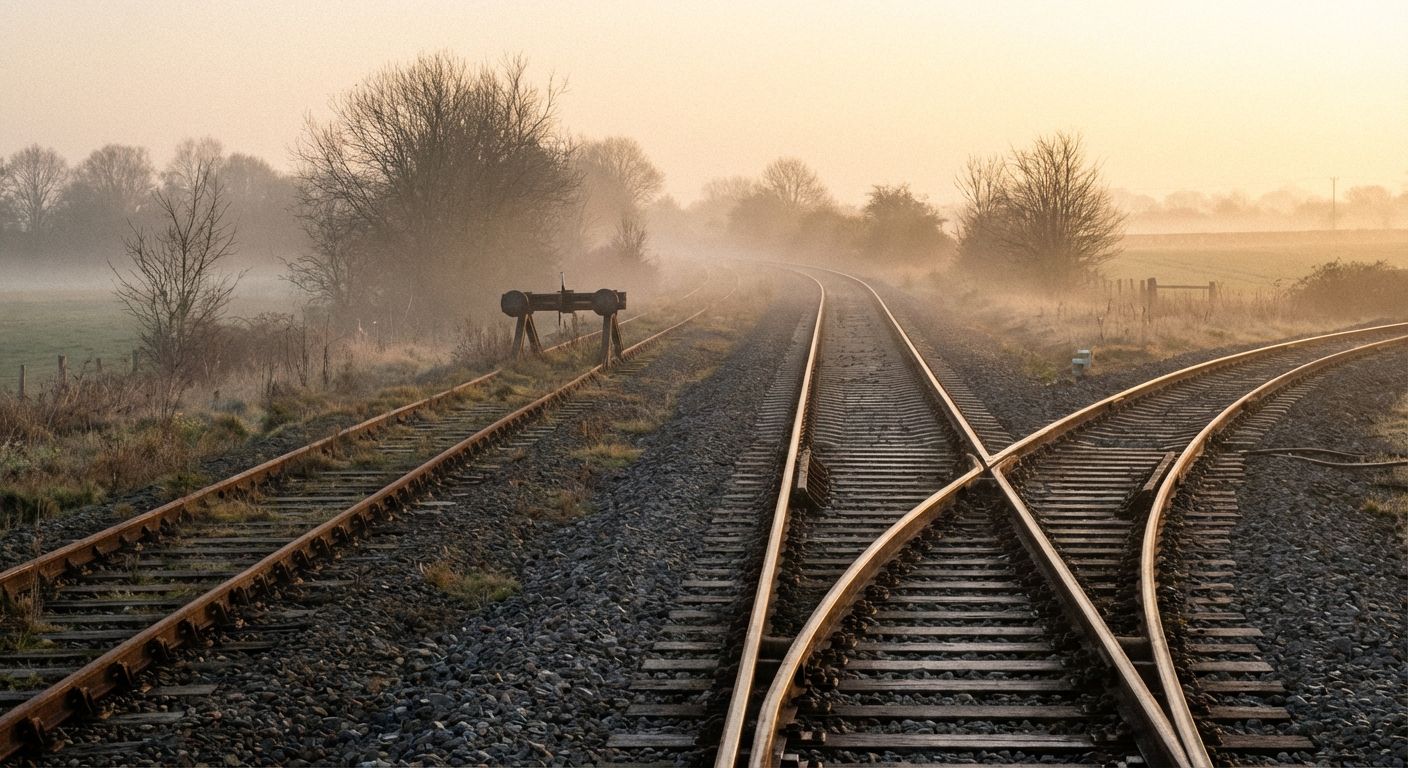
A serene, misty morning scene featuring a set of train tracks. One track clearly leads into the distance and ends, while another track merges from the past onto a main, active line. In the foreground, the main track splits into several diverging paths, stretching towards a soft, bright horizon.

GCSE Maths: Solving Linear Simultaneous Equations

Learn to solve a pair of linear simultaneous equations to find the values of two unknown variables. This deck covers the graphical representation of a solution, and the two main algebraic methods: elimination and substitution.
StudyStudy From HereDetails
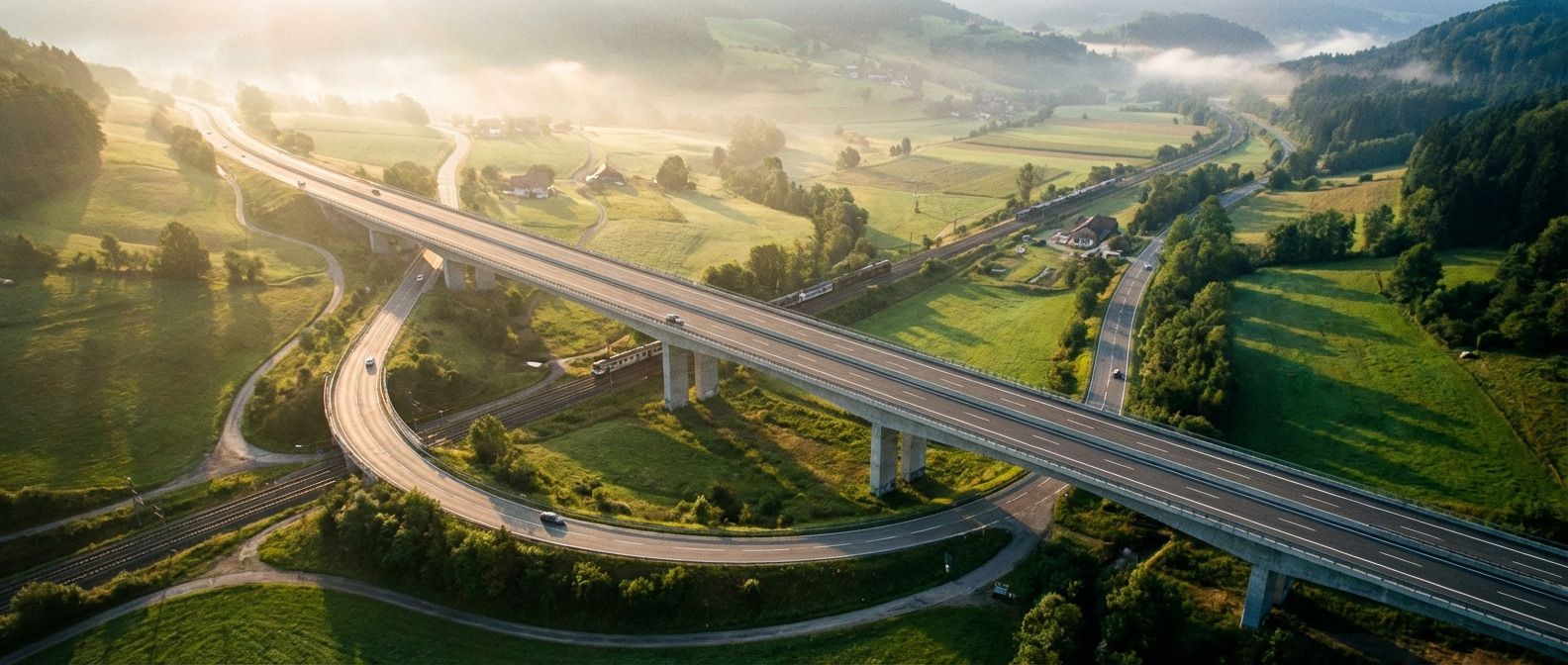
A dramatic high-angle photograph looking down at a modern, straight highway bridge crossing over a winding, older country road or railway line through a lush, green valley. The scene is bathed in the golden light of a sunrise, clearly showing two distinct points where the straight and curved paths visually intersect within the wide, horizontal frame.

GCSE Maths: Solving Non-Linear Simultaneous Equations

Learn how to solve simultaneous equations where one equation is linear and the other is quadratic. This deck covers the substitution method, how to form and solve the resulting quadratic equation, and how to find the corresponding pairs of solutions.

StudyStudy From HereDetails
A dramatic wide-angle photograph of a long, empty asphalt road cutting through a vast, desolate landscape at dusk. The road makes a sharp, unexpected hairpin turn in the foreground, with one side of the bend marked by a subtle, glowing boundary line, and the other side by a different, fading mark, indicating critical decision points. The road stretches into the distant horizon, illuminated by the last rays of the setting sun, hinting at infinite possibilities and changes in direction, composed for a 3:2 landscape frame.

GCSE Maths: Linear Inequalities

Learn how to solve linear inequalities and represent the solution on a number line.
StudyStudy From HereDetails
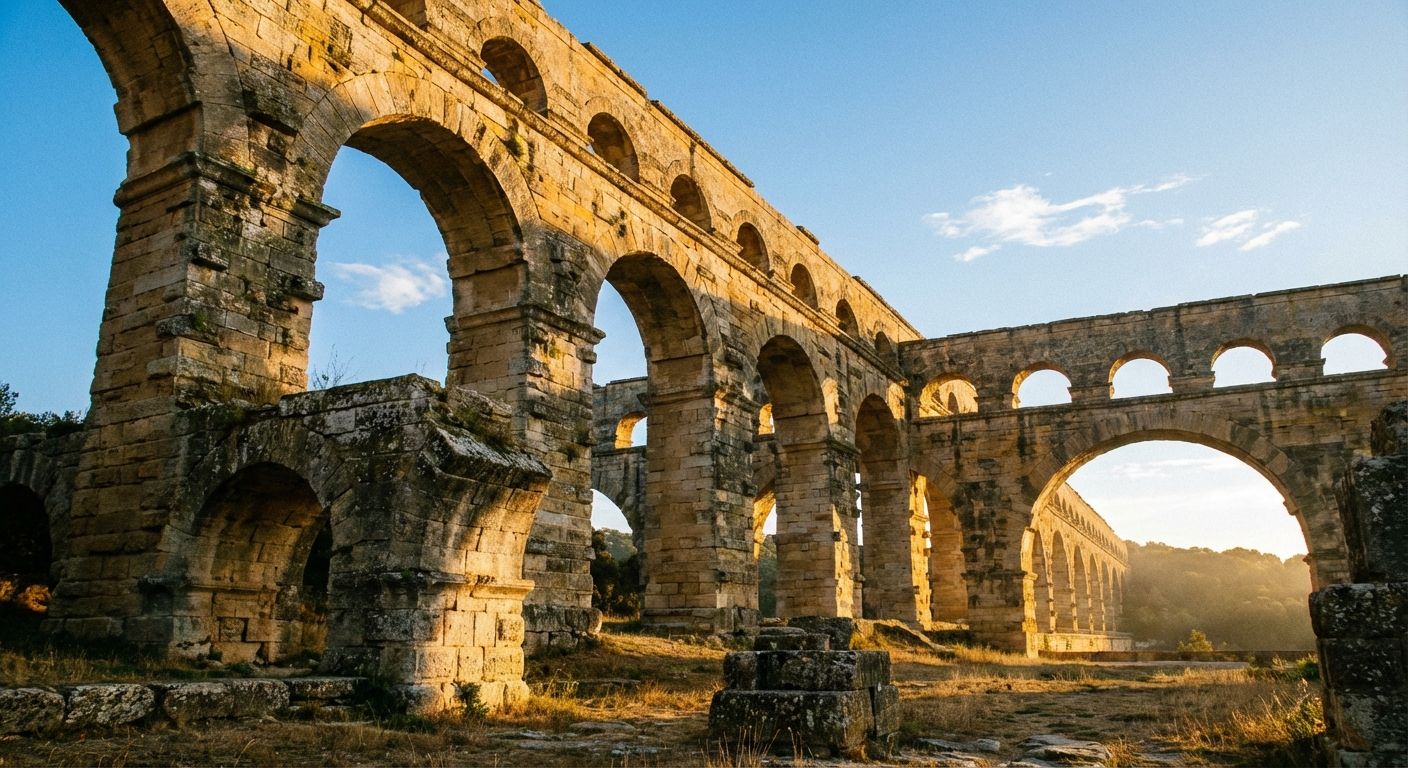
A stunning, low-angle photograph of an ancient Roman aqueduct, its majestic arches stretching rhythmically into the distance under a clear, bright sky. Golden sunlight illuminates the weathered stone, emphasizing the intricate and seamless connection of each segment.

GCSE Maths: Quadratic Inequalities

Learn the method for solving quadratic inequalities by finding the roots and considering the shape of the quadratic graph.
StudyStudy From HereDetails
A close-up, dramatic photograph of a beautifully wrapped gift, with one corner of the elegant wrapping paper carefully peeled back and a luxurious ribbon artfully untied, hinting at the layers of discovery within. Soft, directional light highlights the textures, composed for a 3:2 landscape frame.

GCSE Maths: Rearranging Formulae

Learn to change the subject of a formula, including those with brackets, fractions, and where the new subject appears more than once.
StudyStudy From HereDetails
A complex array of interlocking brass gears and levers inside an antique clock mechanism, bathed in warm, diffused light, highlighting the intricate details and the interplay of motion.

GCSE Maths: Algebraic Fractions

Learn how to simplify, add, subtract, multiply, and divide algebraic fractions, and solve equations involving them.
StudyStudy From HereDetails
A dramatic wide-angle photograph of a grand, sweeping spiral staircase ascending into a soft, ethereal light from above, emphasizing the repeating steps and the continuous, elegant curve of the structure. The scene is composed for a 3:2 landscape frame, with intricate architectural details and a sense of endless progression.

GCSE Maths: Sequences

Learn how to identify and find the term-to-term rule for different types of sequences. This deck covers finding the nth term formula for linear (arithmetic), quadratic, and geometric sequences.
StudyStudy From HereDetails
A dramatic, wide-angle photograph of an intricate, vintage-style Rube Goldberg machine in a dimly lit, atmospheric workshop. A simple wooden block travels along a complex series of gears, levers, and conveyor belts, undergoing multiple whimsical transformations as it moves from left to right across the 3:2 landscape frame.

GCSE Maths: Functions

Understand function notation, and learn how to find inverse functions and create composite functions.
StudyStudy From HereDetails
A striking close-up photograph of the intricate interior of a nautilus shell, highlighting its elegant logarithmic spiral chambers. The warm light casts dramatic shadows, emphasizing the repeating, converging pattern towards the shell's central point, captured in a wide, horizontal frame.

GCSE Maths: Iteration

Learn how to find approximate solutions to complex equations using the process of iteration, including how to show a solution exists within a given interval.
StudyStudy From HereDetails
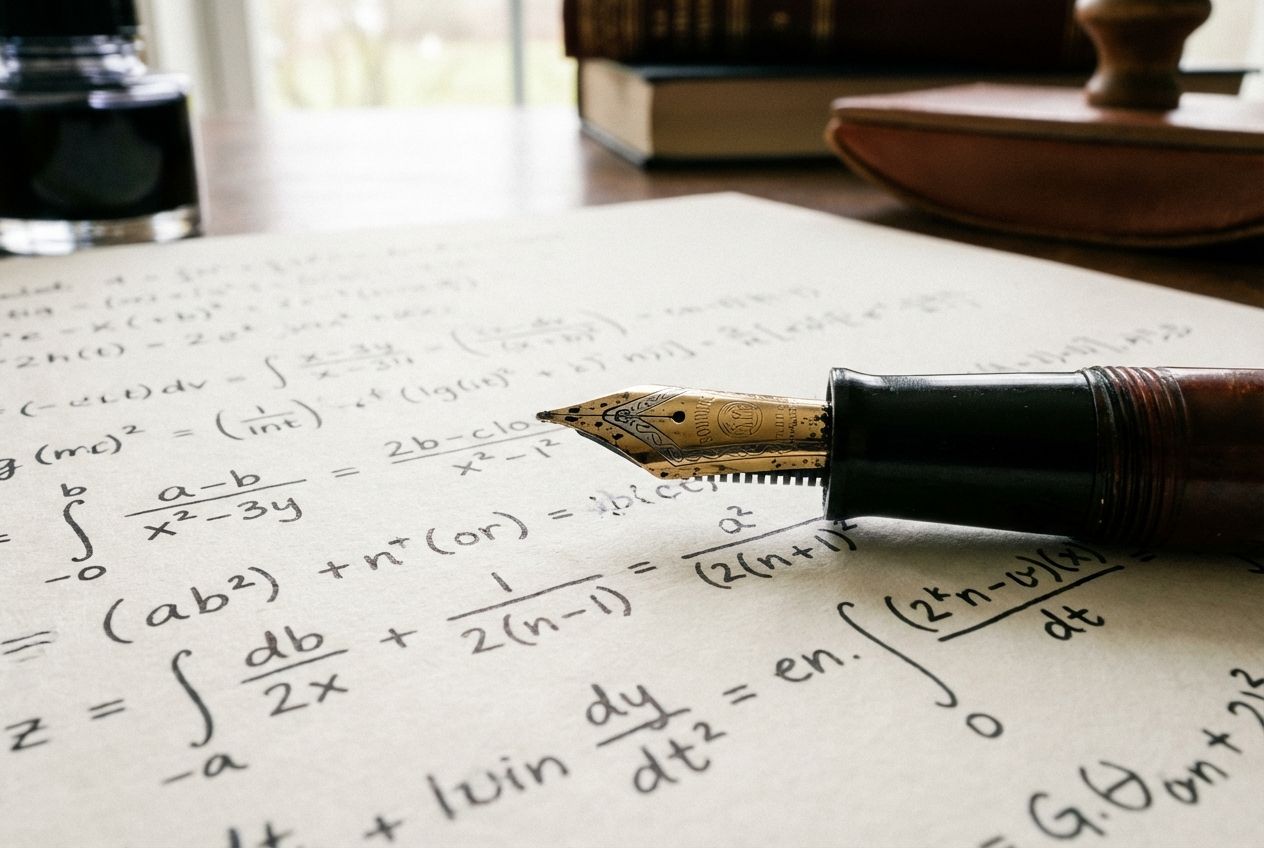
A close-up photograph of a vintage fountain pen resting on a crisp sheet of paper covered in handwritten algebraic equations, with emphasis on the interplay between numbers and symbols. The lighting should be soft and academic, highlighting the texture of the paper and the details of the pen's nib, conveying the precision and elegance of mathematical proof.

GCSE Maths: Algebraic Proof

Learn the language and structure of algebraic proof, including how to prove results involving consecutive numbers, odd and even numbers.
StudyStudy From HereDetails
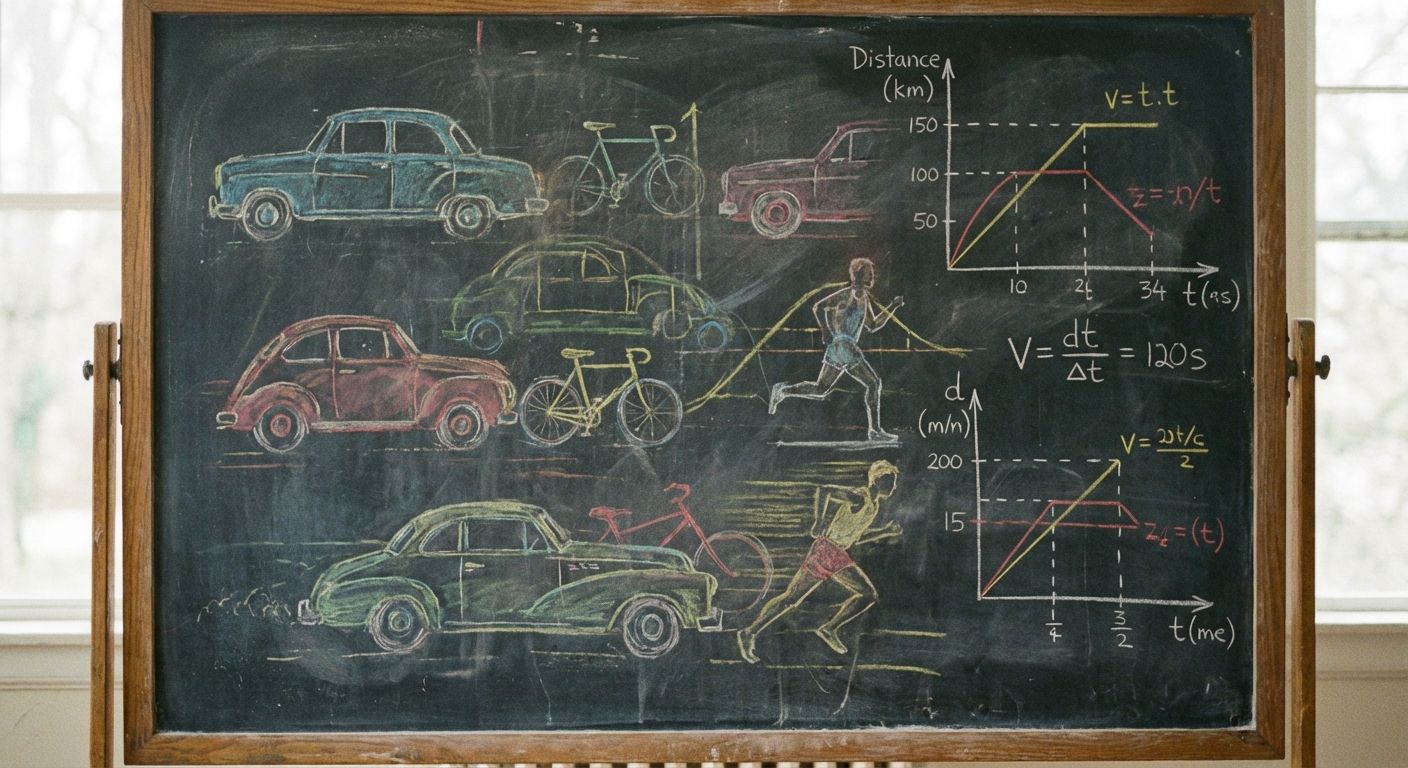
A close up on a dusty chalkboard covered in colorful chalk drawings of cars, bicycles and runners, with overlaid distance, time and velocity graphs. The light is dim and soft, focusing on the chalkboard.

GCSE Maths: Coordinates and Linear Graphs

Learn to use coordinates in all four quadrants and understand the equation of a straight line, y=mx+c. You'll be able to identify the gradient and y-intercept, and know how to plot linear graphs.
StudyStudy From HereDetails
A dramatic wide-angle photograph of parallel railway tracks ascending a steep, forested mountain, with dappled sunlight breaking through the trees. The tracks visibly rise and curve, illustrating gradient and parallel lines, and in the mid-ground, they pass over a sturdy stone bridge, hinting at an 'intercept' point. Majestic and cinematic.

GCSE Maths: Equations of Lines

Learn to find the equation of a straight line using its gradient and points. This deck covers the standard y = mx + c form, and the conditions for parallel and perpendicular lines, essential for GCSE Higher Tier.
StudyStudy From HereDetails
A dramatic, wide-angle photograph of a vintage wooden roller coaster track, featuring a prominent U-shaped dip and an ascending curve. The intricate structure of the tracks winds into the background, suggesting various complex paths, all bathed in the warm light of a setting sun, 3:2 landscape.

GCSE Maths: Quadratic, Cubic, and Reciprocal Graphs

This deck introduces the shapes and key features of non-linear graphs. You will learn to recognise quadratic, cubic, and reciprocal graphs, and identify important points like roots, intercepts, and turning points.

StudyStudy From HereDetails
A dramatic, low-angle photograph of a French TGV high-speed train blurring past through the vibrant green countryside at sunset. The tracks stretch endlessly into the golden light of the horizon, symbolizing movement into the future.

GCSE Maths: Real-Life Graphs

Learn to interpret and use real-life graphs, focusing on distance-time graphs (for speed) and velocity-time graphs (for acceleration and distance travelled).
StudyStudy From HereDetails
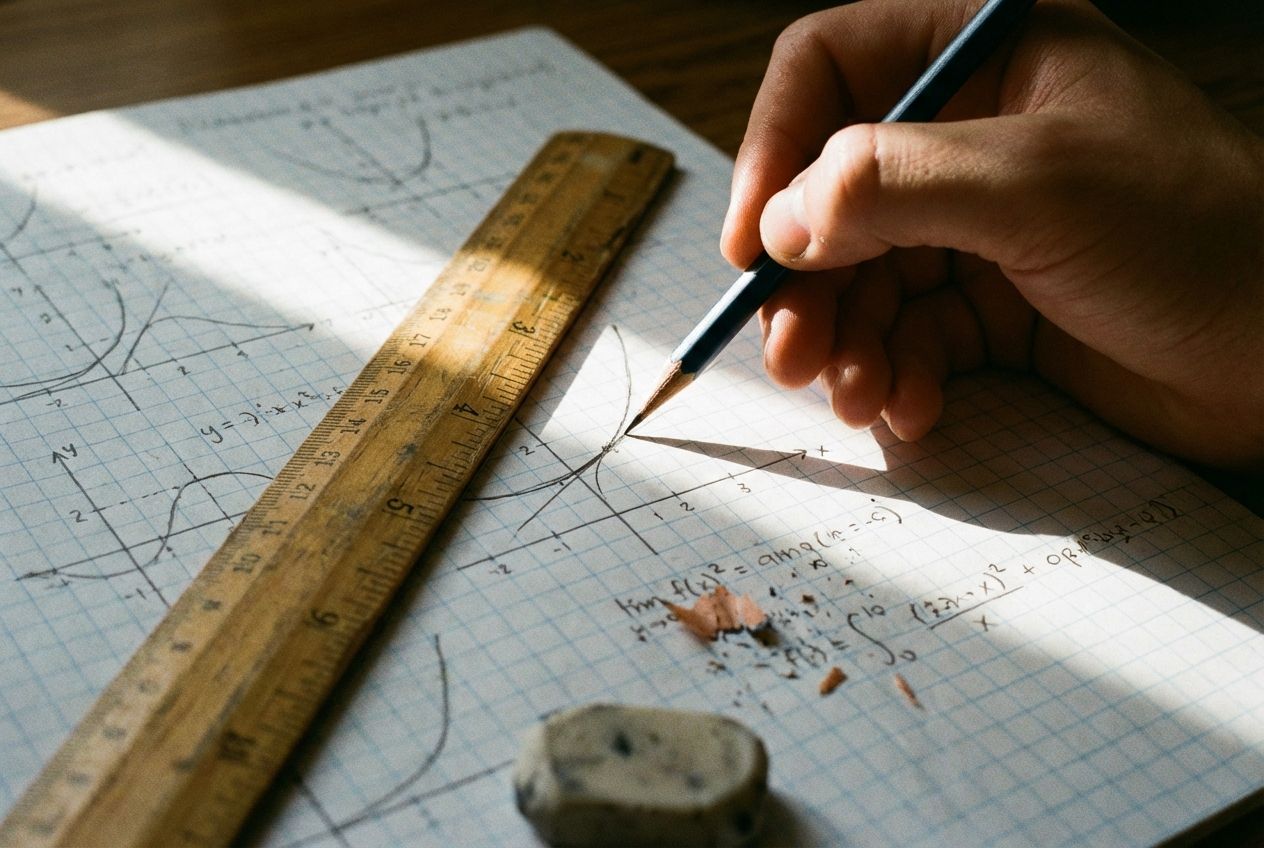
A close-up photograph of a student's desk with a hand-drawn graph on paper, a pencil drawing a tangent line to a curve, and a ruler lying nearby. The light is focused and highlights the tools and the precision required for the task.

GCSE Maths: Advanced Graph Skills

Learn to use graphs to find approximate solutions to equations, estimate the gradient of a curve at a point, and estimate the area under a curve using the trapezium rule.
StudyStudy From HereDetails
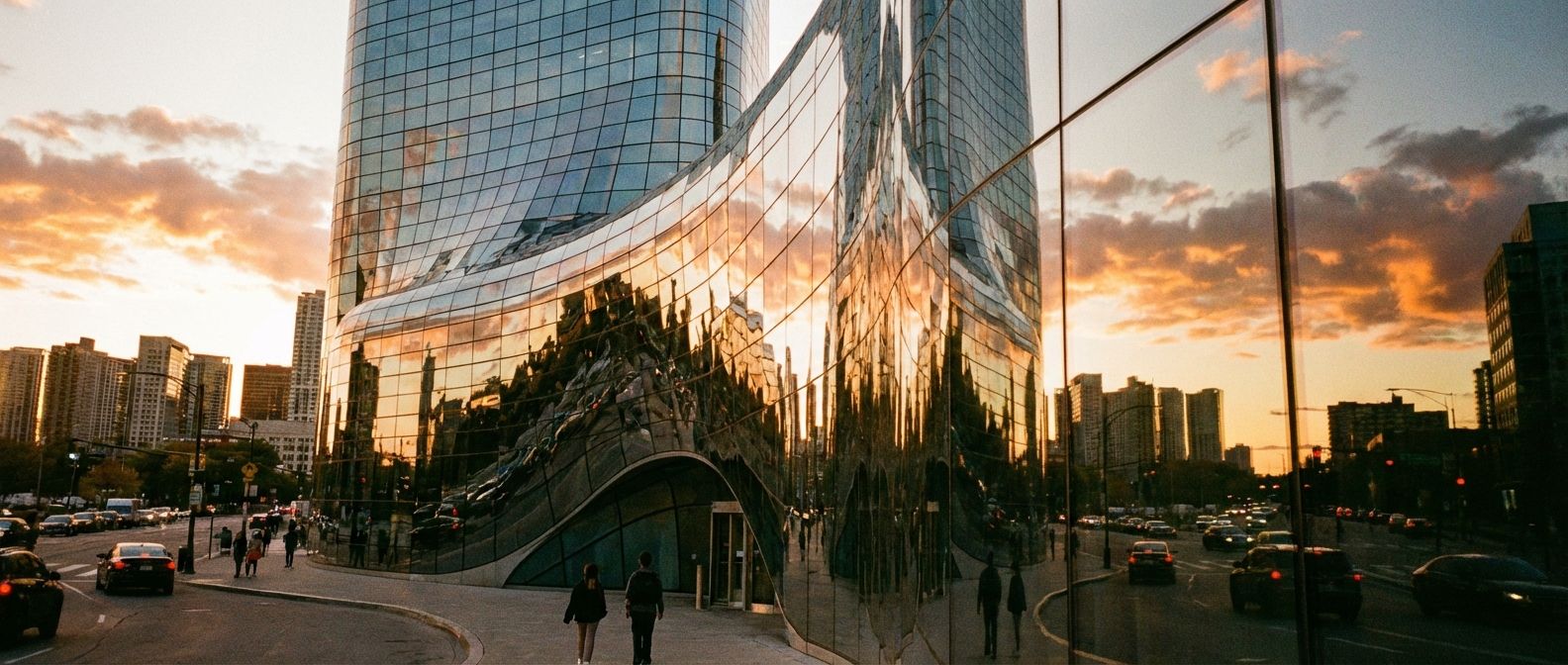
A wide-angle, dramatic photograph of a modern skyscraper with a curved, highly reflective glass facade, creating abstract, stretched, and mirrored reflections of the urban landscape and sky, bathed in golden hour light.

GCSE Maths: Graph Transformations

Learn how transformations affect the graph of a function, including translations, stretches, and reflections in the x and y axes.
StudyStudy From HereDetails
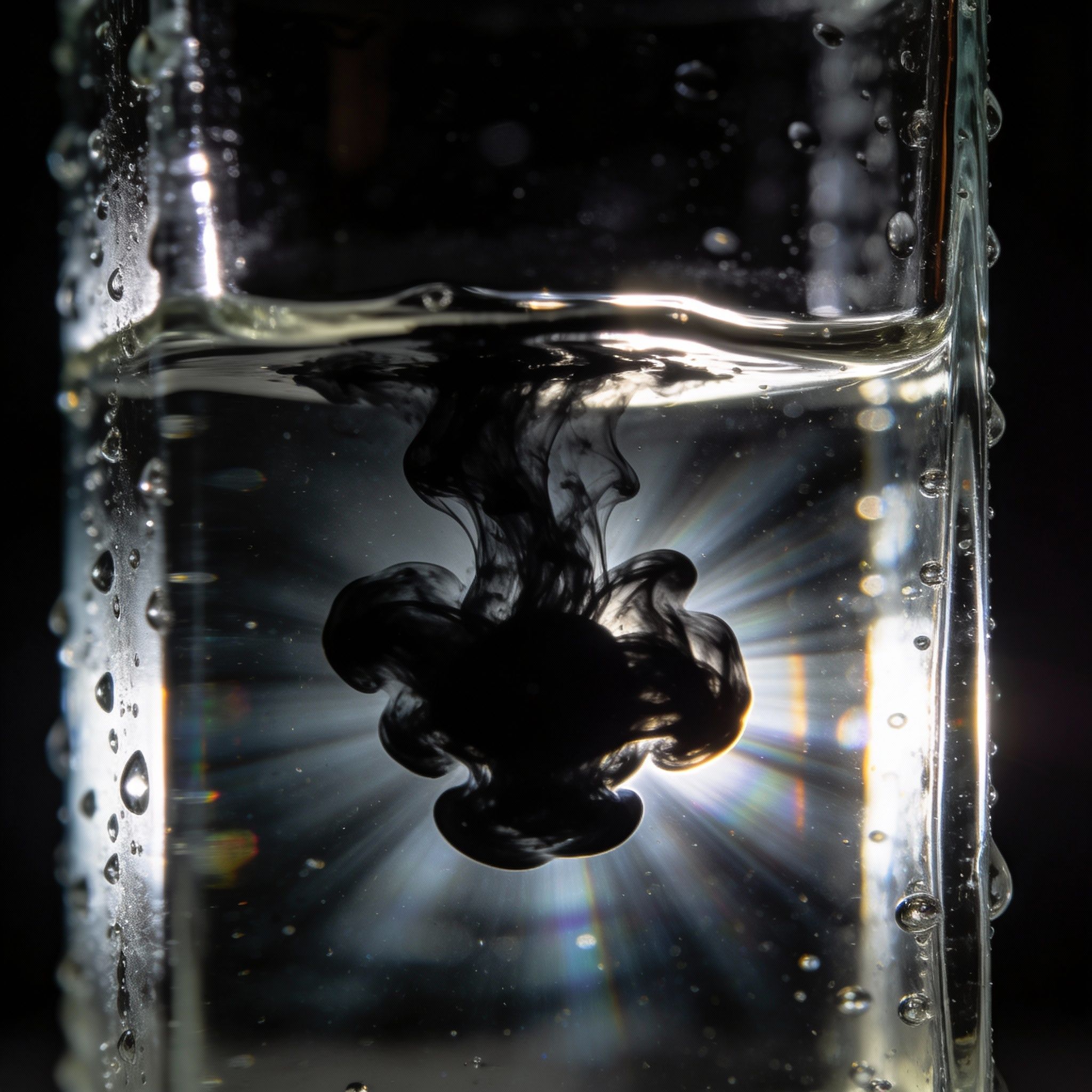
Close up of a single drop of ink blooming in a glass of clear water, refracting light, macro photography, dramatic lighting.

GCSE Maths: Ratio and Proportion

Learn to simplify ratios, share amounts in a given ratio, and solve problems involving direct and inverse proportion.
StudyStudy From HereDetails
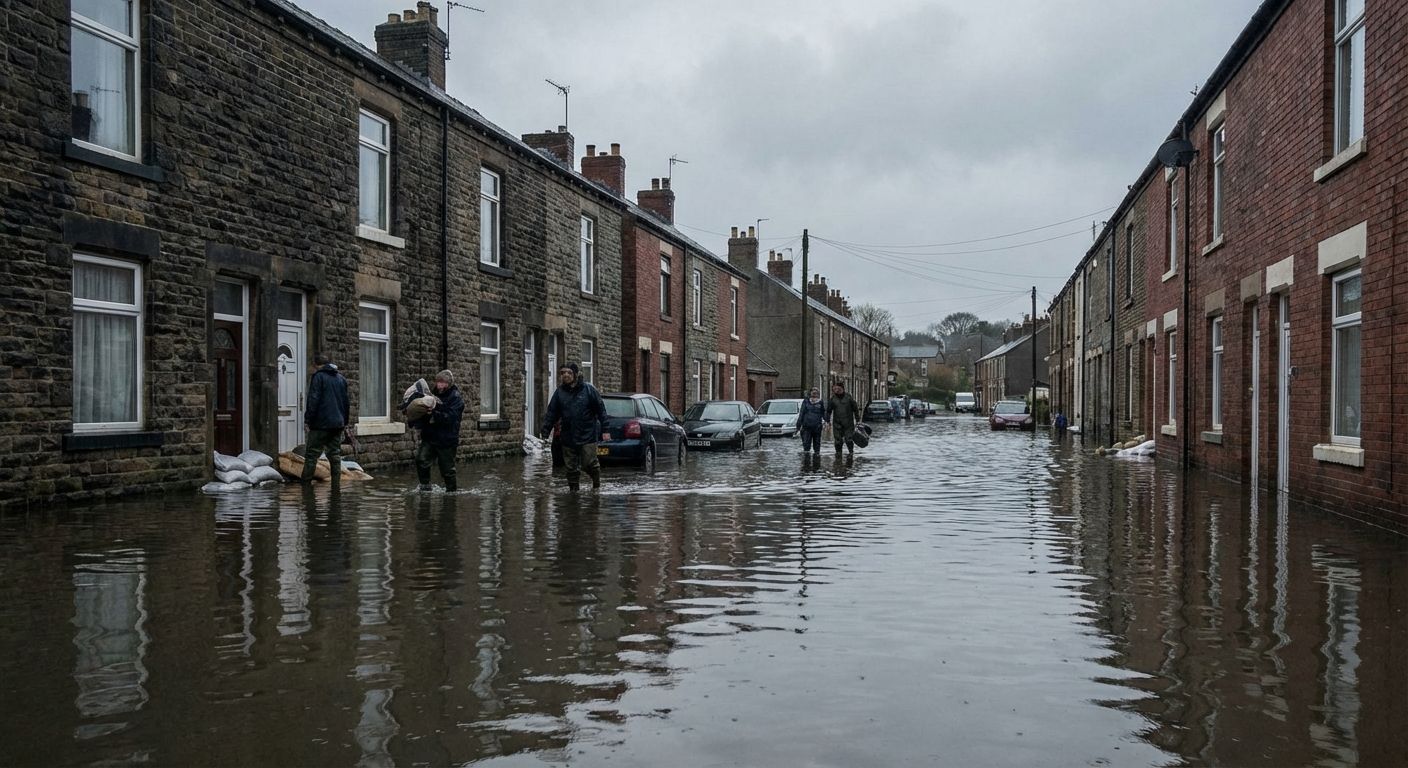
A flooded village street in England, water waist-high, with row houses reflecting in the water. Overcast sky, desaturated colors, somber mood.

GCSE Maths: Rates of Change

Learn to use and rearrange the formulae for speed, density, and pressure to solve problems.
StudyStudy From HereDetails
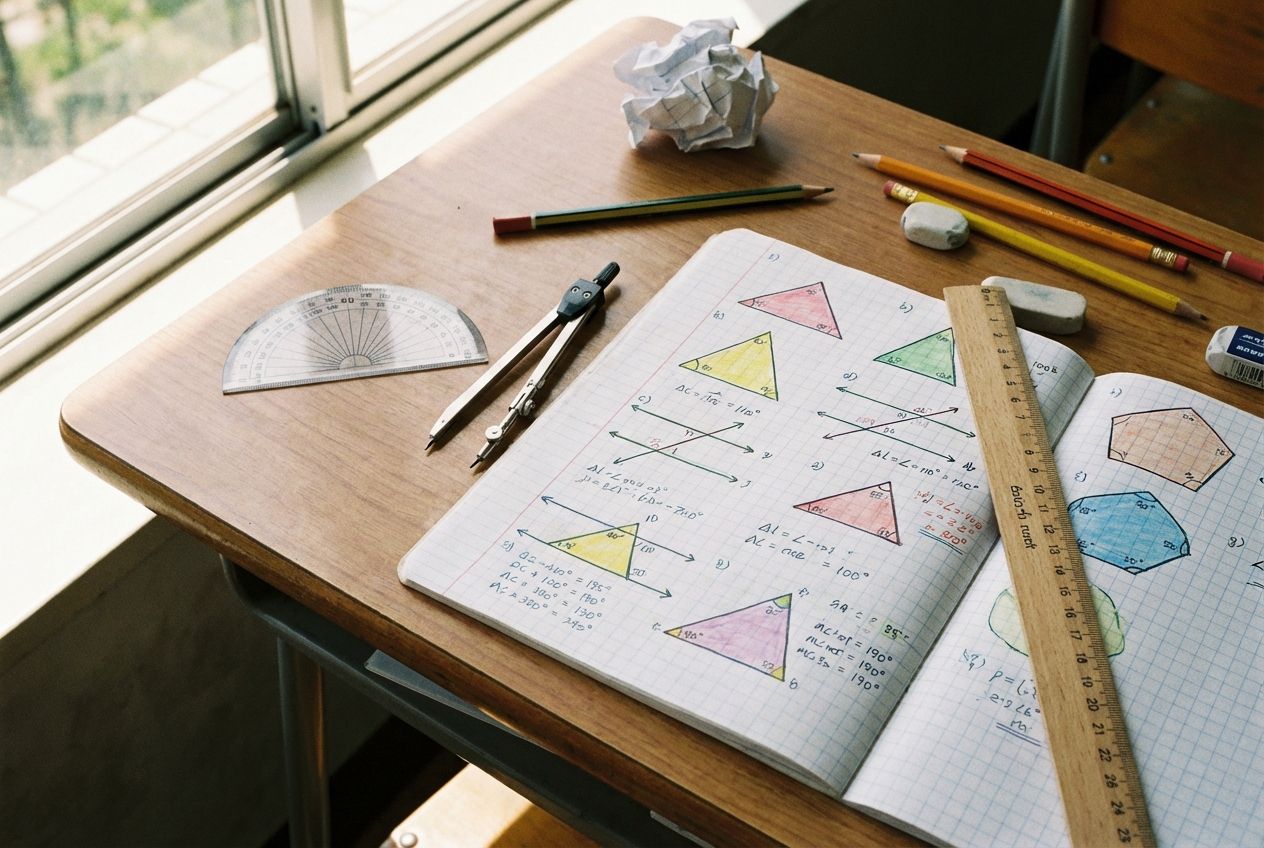
A high-angle shot looking down at a student's desk. On the desk are mathematical instruments (protractor, compass, ruler), a notebook open at a page with colorful diagrams of triangles, parallel lines cut by transversals, and polygons, with hand-written angle calculations. The scene is lit with bright, natural light coming from a nearby window.

GCSE Maths: Angle Rules

Learn and apply the rules for angles at a point, on a straight line, in a triangle, and in parallel lines. Also covers angles in polygons.
StudyStudy From HereDetails
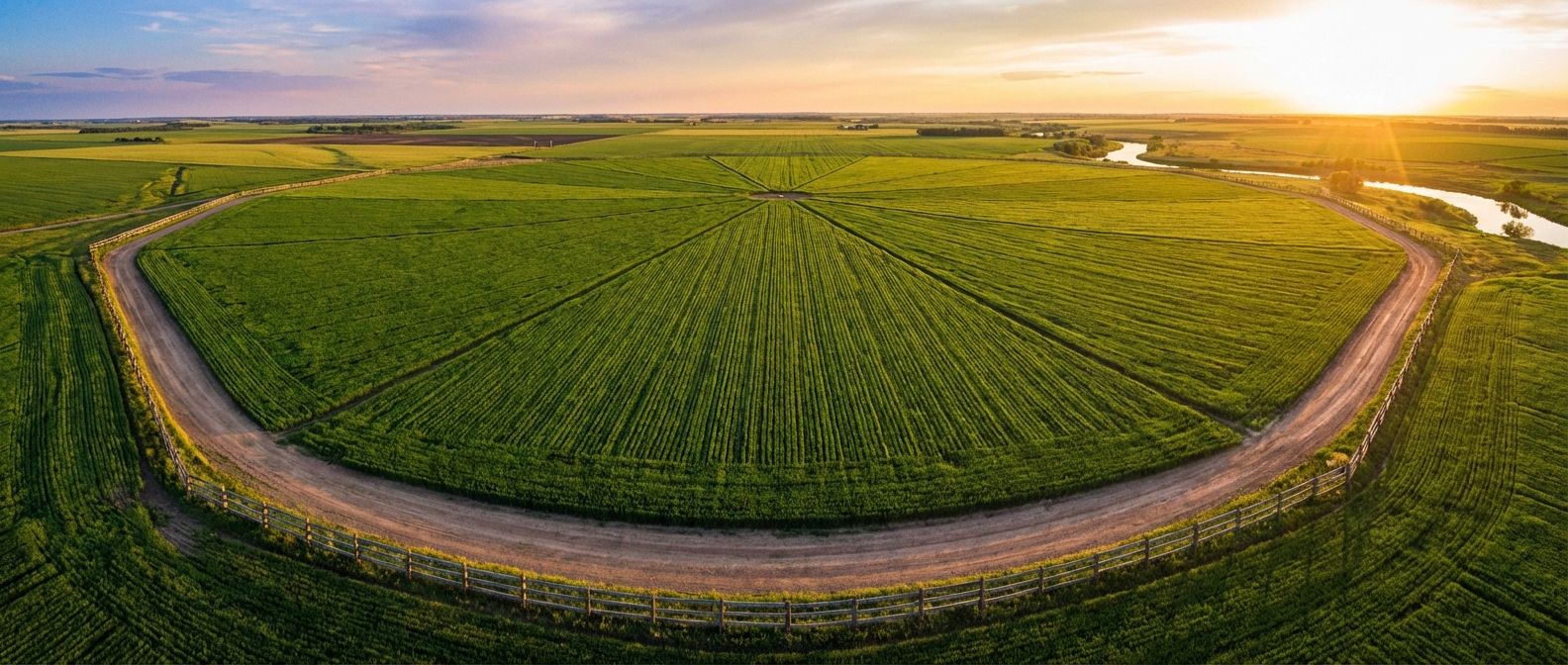
A wide-angle, aerial photograph of a vast, geometrically shaped agricultural field at sunset. A clear dirt path or fence line defines the field's perimeter, while the vibrant green crops inside represent the area, all bathed in dramatic golden hour lighting.

GCSE Maths: Area and Perimeter

Learn the formulae and methods for calculating the area and perimeter of 2D shapes, including rectangles, triangles, parallelograms, trapeziums, and circles. This deck also covers strategies for compound shapes.
StudyStudy From HereDetails
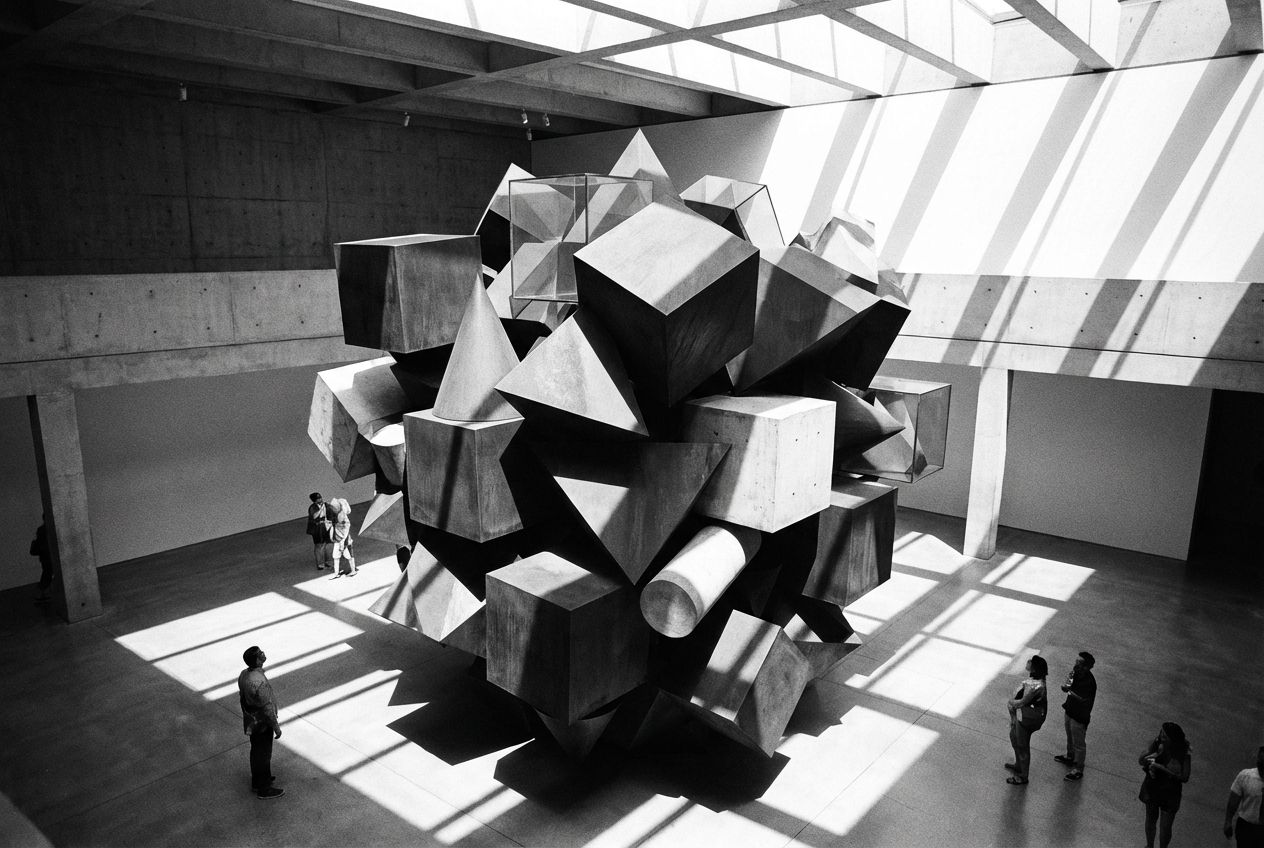
A dramatic, high-angle shot of a complex geometric sculpture made of various 3D shapes (cubes, pyramids, cones, cylinders) casting sharp shadows in a brightly lit gallery.

GCSE Maths: Volume and Surface Area of 3D Shapes

Learn the formulae for the volume and surface area of 3D shapes including cuboids, prisms, cylinders, pyramids, cones, and spheres.
StudyStudy From HereDetails
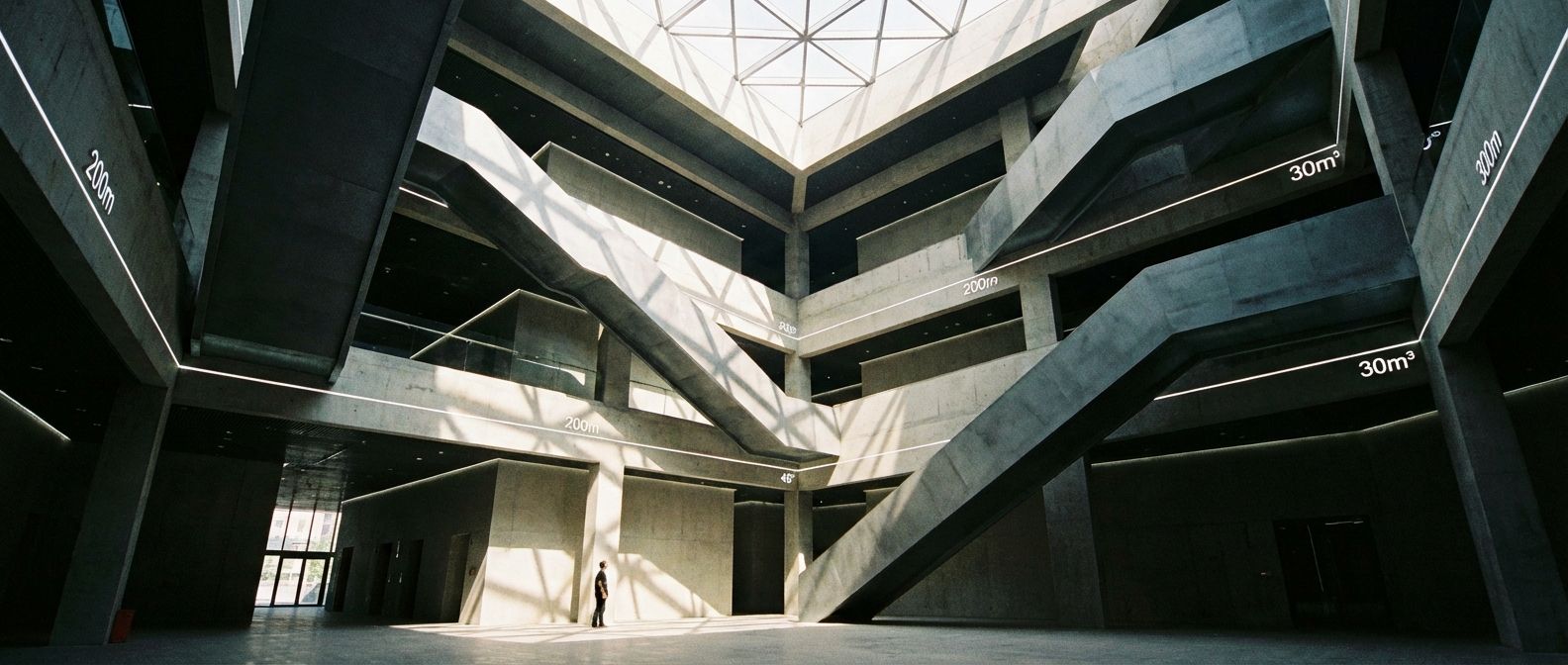
A wide-angle, dramatic photograph looking into the interior of a modern, minimalist building atrium or a large, empty hall. Strong architectural lines form clear right angles and long diagonals, hinting at 2D and 3D measurements within the cuboid space. Sunlight streams in from above, creating sharp shadows and highlighting the geometric forms.

GCSE Maths: Pythagoras' Theorem

Understand and apply Pythagoras' theorem to find the length of a missing side in a right-angled triangle in both 2D and 3D problems.
StudyStudy From HereDetails
A dramatic, wide-angle photograph of a surveyor looking through a modern total station or theodolite, aimed towards a towering, rugged mountain peak in the distance, bathed in the warm light of a golden hour sunset. The focus is on the act of precise measurement and the vast, beautiful landscape.

GCSE Maths: Right-Angled Trigonometry (SOHCAHTOA)

Learn the trigonometric ratios sine, cosine, and tangent, and use them to find missing sides and angles in right-angled triangles using the SOHCAHTOA mnemonic.
StudyStudy From HereDetails
A dramatic wide-angle photograph of ancient, weathered stone ruins or natural rock formations in a vast desert landscape. The structures display intricate, non-right-angled triangular patterns and eroded edges, casting long, deep shadows under the golden light of a setting sun, evoking a sense of complex geometry and hidden dimensions.

GCSE Maths: Advanced Trigonometry

Learn and apply the Sine Rule, Cosine Rule, and the formula 'Area equals one half a b sine C' to find missing sides, angles, and areas in any triangle.
StudyStudy From HereDetails
A dramatic wide-angle photograph of a magnificent, ornate rose window in a grand cathedral, bathed in warm, golden light from the setting sun, casting intricate geometric patterns and defined angles onto the stone floor below, emphasizing its circular structure and precise design.

GCSE Maths: Circle Theorems

Learn the main circle theorems and how to state them. This deck covers the rules for angles at the centre, angles in a semicircle, cyclic quadrilaterals, tangents, and the alternate segment theorem. Note: Applying these rules to diagrams requires desk practice.
StudyStudy From HereDetails
A dramatic wide-angle long exposure photograph of a powerful lighthouse beam rotating over a dark, reflective sea at twilight. The light illuminates a distant, small sailing ship moving across the horizon, emphasizing the vast scale and dynamic transformations of the ocean.

GCSE Maths: Transformations

Learn to describe and perform the four transformations: reflection, rotation, translation, and enlargement (including with fractional and negative scale factors).
StudyStudy From HereDetails
A winding hiking trail through a sun-drenched, lush green forest, with distinct segments and turns that suggest a journey with both horizontal and vertical displacement. The path recedes into the distance, conveying magnitude, in a wide, horizontal shot.

GCSE Maths: Vectors

Learn about vectors, a quantity with both magnitude and direction. This deck covers column vector notation, vector arithmetic including addition, subtraction and scalar multiplication, and how to apply these concepts to solve geometric problems and construct proofs about parallel lines and collinear points.
StudyStudy From HereDetails
A breathtaking wide-angle photograph of a river delta at golden hour, with multiple streams branching and merging across a lush, verdant landscape, bathed in warm, soft sunlight. The intricate network of waterways flows towards the horizon, symbolizing branching possibilities and overlapping events in a 3:2 landscape frame.

GCSE Maths: Probability Basics

Understand the probability scale from 0 to 1. Learn to calculate the probability of single events and combined events using probability trees and Venn diagrams.
StudyStudy From HereDetails
A wide, horizontal close-up photograph captures a vibrant array of smooth, naturally varied pebbles and stones scattered across a wet, sandy beach. The composition showcases a clear range of sizes and colors, with a subtle cluster of similar, rounded stones near the center, beautifully representing concepts of spread and average in data.

GCSE Maths: Averages and Spread

Learn to calculate the mean, median, mode, and range from a list of data and from a frequency table. Also covers finding the interquartile range.
StudyStudy From HereDetails
A breathtaking close-up photograph of a glistening spiderweb at dawn, covered in countless tiny dew drops, each reflecting the soft golden light of the rising sun. The intricate threads of the web stretch horizontally across the frame, creating delicate patterns and interconnections, with a sense of natural order emerging from the myriad individual droplets.

GCSE Maths: Representing Data

Learn to interpret and draw various statistical charts and graphs, including bar charts, pie charts, and scatter graphs. Understand correlation.
StudyStudy From HereDetails
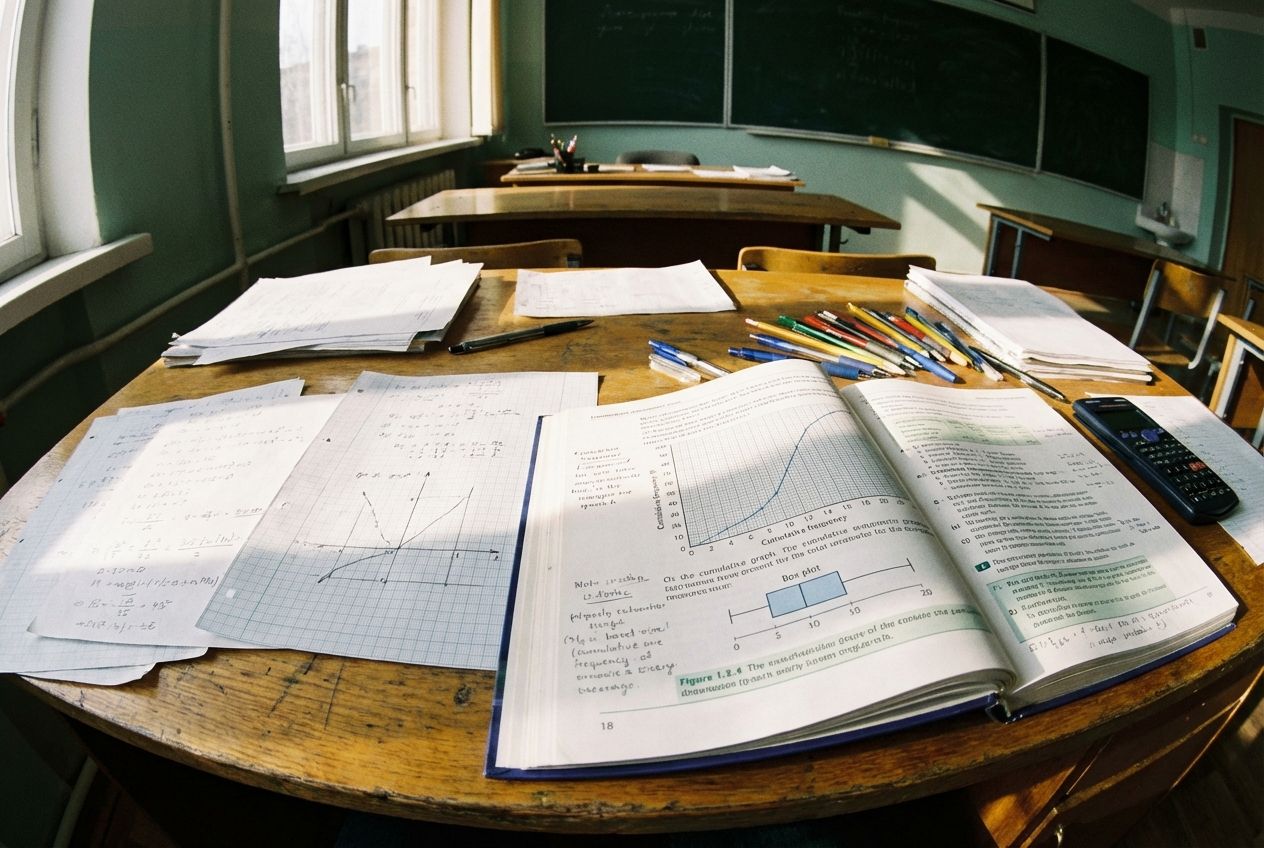
A wide-angle photograph of a classroom desk covered in handwritten notes and graphing paper, with a textbook open to a page displaying a cumulative frequency graph and a box plot diagram. Sunlight streams through a nearby window, illuminating the intricate details of the graphs and the textures of the paper and writing utensils.

GCSE Maths: Cumulative Frequency and Box Plots

Learn to create and interpret cumulative frequency graphs to find estimates for the median and quartiles. Use these values to construct box plots and compare the distributions of different data sets.
StudyStudy From HereDetails
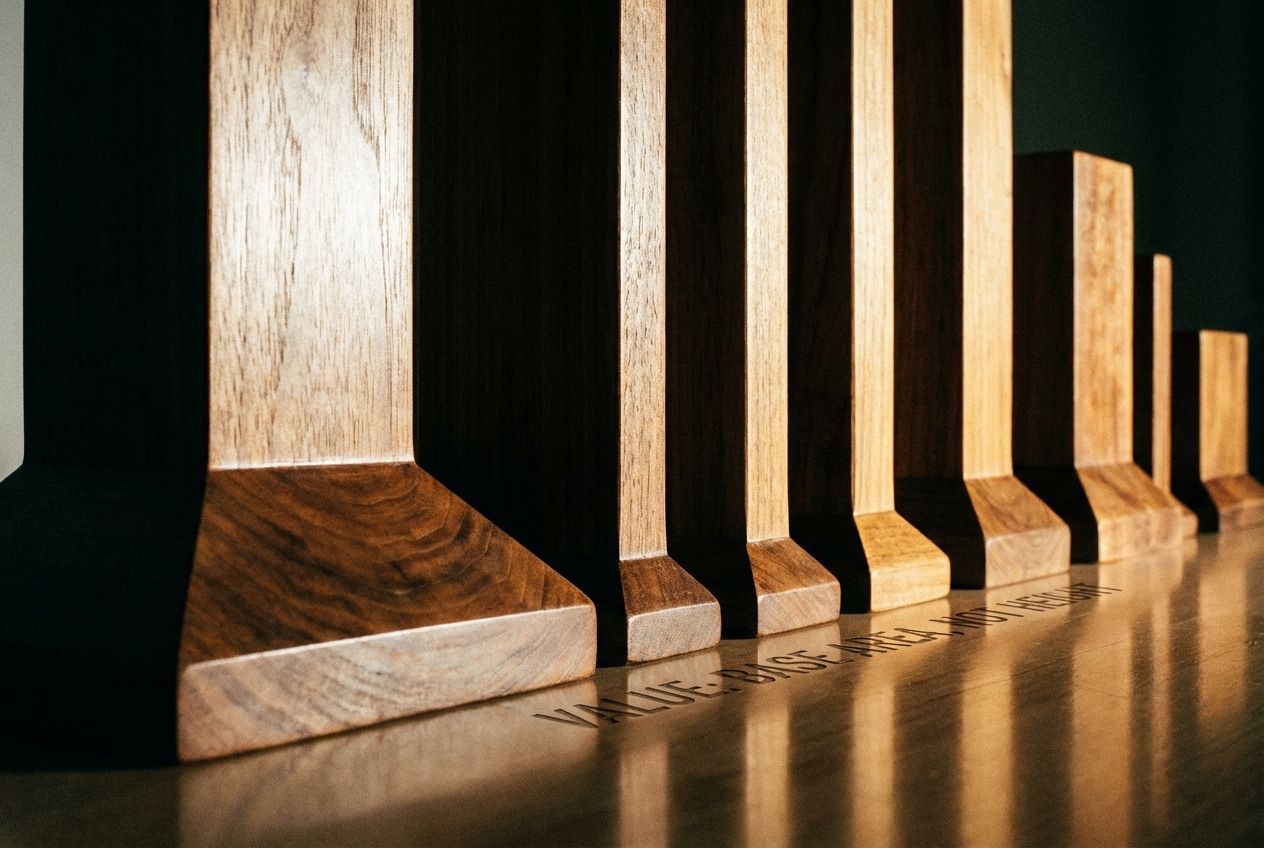
A dramatic close-up photograph of a collection of polished wooden geometric blocks, varying greatly in both width and height, arranged side-by-side on a smooth, reflective surface. The interplay of strong light and shadow highlights their diverse dimensions, subtly suggesting that the true 'weight' or 'value' of each block is determined by its base area, not just its vertical prominence, in a 3:2 landscape aspect ratio.

GCSE Maths: Histograms

Learn when and why histograms are used instead of bar charts. This deck covers the key concept of frequency density, explaining how to calculate it and why it's essential for representing data with unequal class widths. You'll also learn how to interpret histograms by understanding that the area of each bar represents frequency.

StudyStudy From HereDetails

Learn GCSE Mathematics: Higher Tier (9-1) differently

Auracle is an audio-first learning platform built for busy people. Memorize anything without looking at a screen.

Hands-Free Learning

Listen, interact, and review cards entirely through audio. Perfect for commuting, walking, or at the gym.

Spaced Repetition

Auracle uses a scientific algorithm to schedule your reviews at the optimal time, ensuring you never forget what you learn.

Learn how it works

Ready to start the GCSE Mathematics: Higher Tier (9-1) audio course?