Auracle
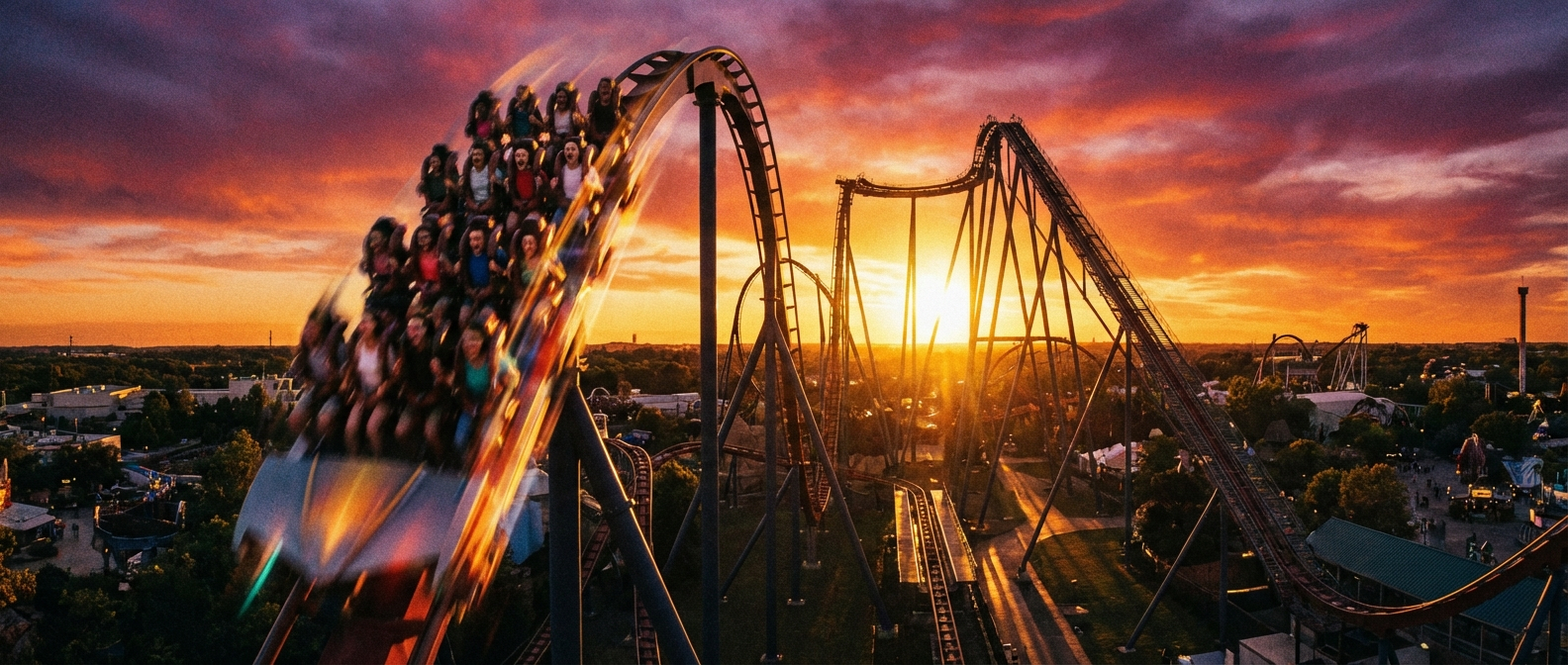
A dramatic wide-angle photograph of a roller coaster car plummeting down a steep drop, with blurred motion trails suggesting immense speed. The sun is setting, casting long shadows and a golden glow across the amusement park, highlighting the exhilaration of the riders.
CoursePublicCreated 27/03/2026

GCSE Physics (AQA): Paper 1

All the content for AQA GCSE Physics Paper 1 – Energy, Electricity, Particles, and Atomic Structure – broken down for audio.

Total Decks
20
Course Completion
0%
0/20 Decks
Answer Language
en-GB
Course Completion
0%
0/20 Decks

Decks in this Course

20 items
A dramatic wide-angle photograph of a roller coaster car plummeting down a steep drop, with blurred motion trails suggesting immense speed. The sun is setting, casting long shadows and a golden glow across the amusement park, highlighting the exhilaration of the riders.

AQA GCSE Physics: Energy Stores and Systems

Covers the eight main energy stores, the concept of a system, energy transfers by heating, work done, and electrical work, and the calculation of kinetic energy, gravitational potential energy, and elastic potential energy. Also introduces the concept of power.
StudyStudy From HereDetails
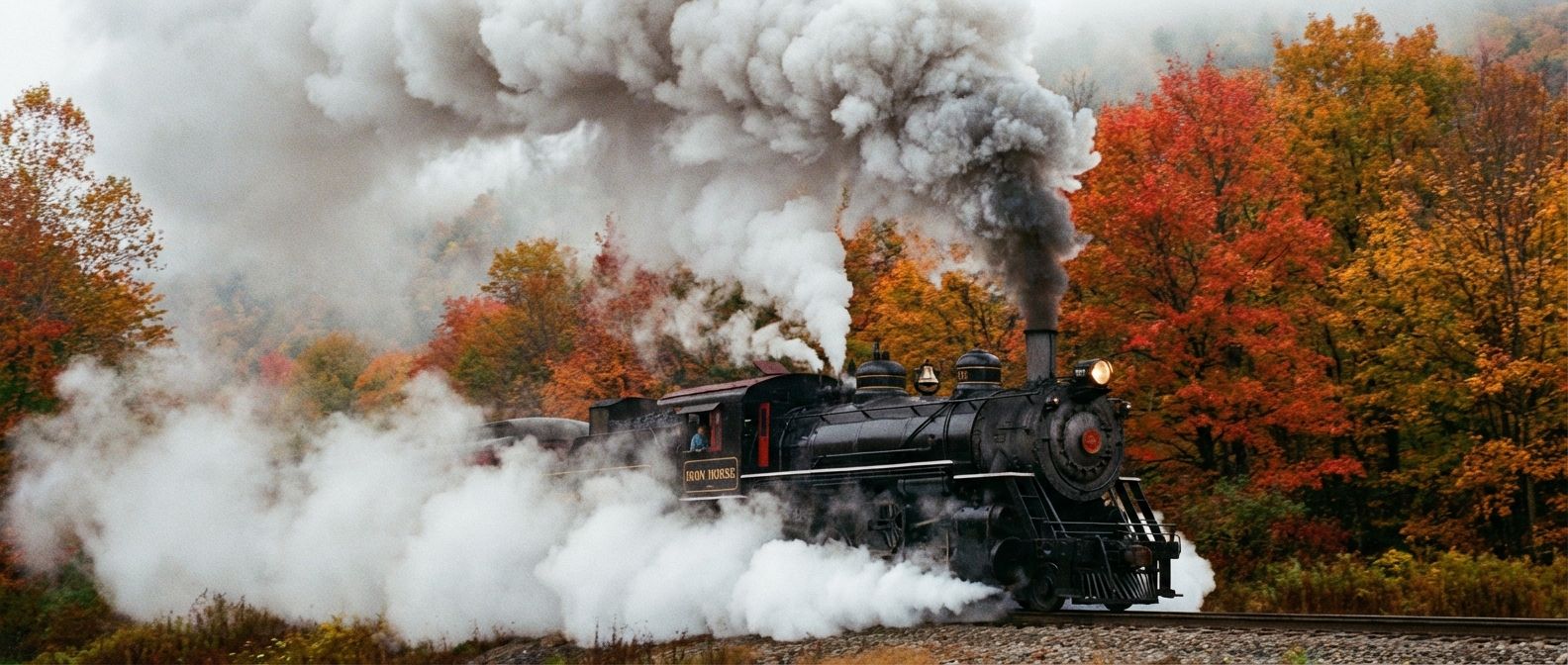
A dramatic, wide-angle photograph of a powerful, vintage steam locomotive thundering through a misty, autumnal landscape. Thick plumes of steam and smoke billow from its chimney and vents, visibly illustrating energy conversion and dissipation against the backdrop of its forward motion.

AQA GCSE Physics: Conservation and Efficiency

Covers the principle of conservation of energy, closed systems, energy dissipation (wasted energy), reducing unwanted energy transfers, thermal conductivity, and the calculation of energy efficiency.
StudyStudy From HereDetails
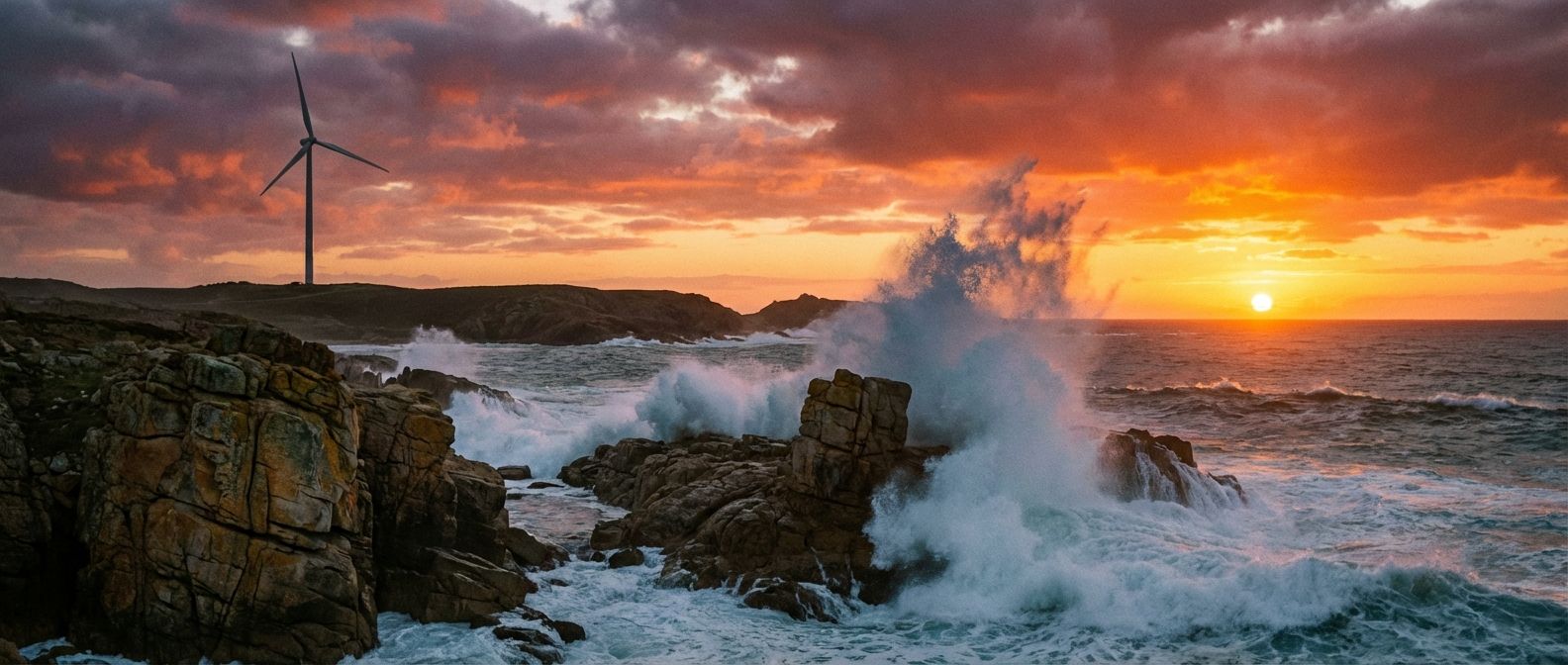
A dramatic wide-angle photograph of a rugged coastline at sunset. Powerful ocean waves crash against ancient rock formations, while a single, elegant wind turbine stands silhouetted in the distance against a vibrant, fiery sky, symbolizing the harnessing of vast natural energy.

AQA GCSE Physics: Energy Resources

Covers the main energy resources available for use on Earth, distinguishing between renewable and non-renewable sources. Includes fossil fuels, nuclear fuel, bio-fuel, wind, hydro-electricity, geothermal, tides, the Sun, and water waves, along with their uses and environmental impacts.
StudyStudy From HereDetails
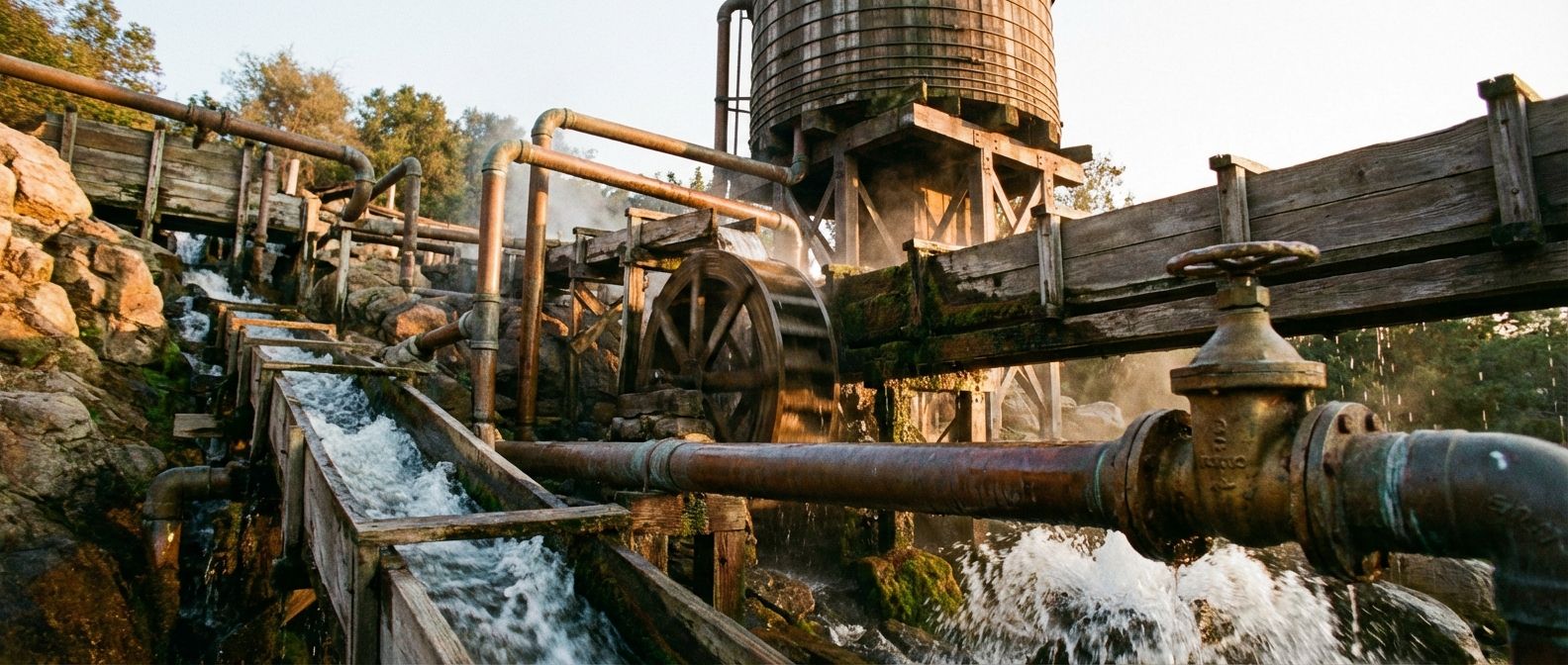
A dramatic, wide-angle photograph of an intricate, old-fashioned water system. Water flows powerfully through a network of copper pipes and wooden channels, some narrow and some wide, leading to a small, spinning water wheel. A large, elevated water tank in the background provides the pressure, while a partially closed brass valve in the foreground creates a visible obstruction to the flow, all under warm, natural light.

AQA GCSE Physics: Current, Potential Difference and Resistance

Introduces fundamental concepts of electricity including standard circuit diagram symbols, electric charge, current, potential difference (voltage), and resistance. Covers the relationship between these quantities (Ohm's Law) and the factors affecting resistance.
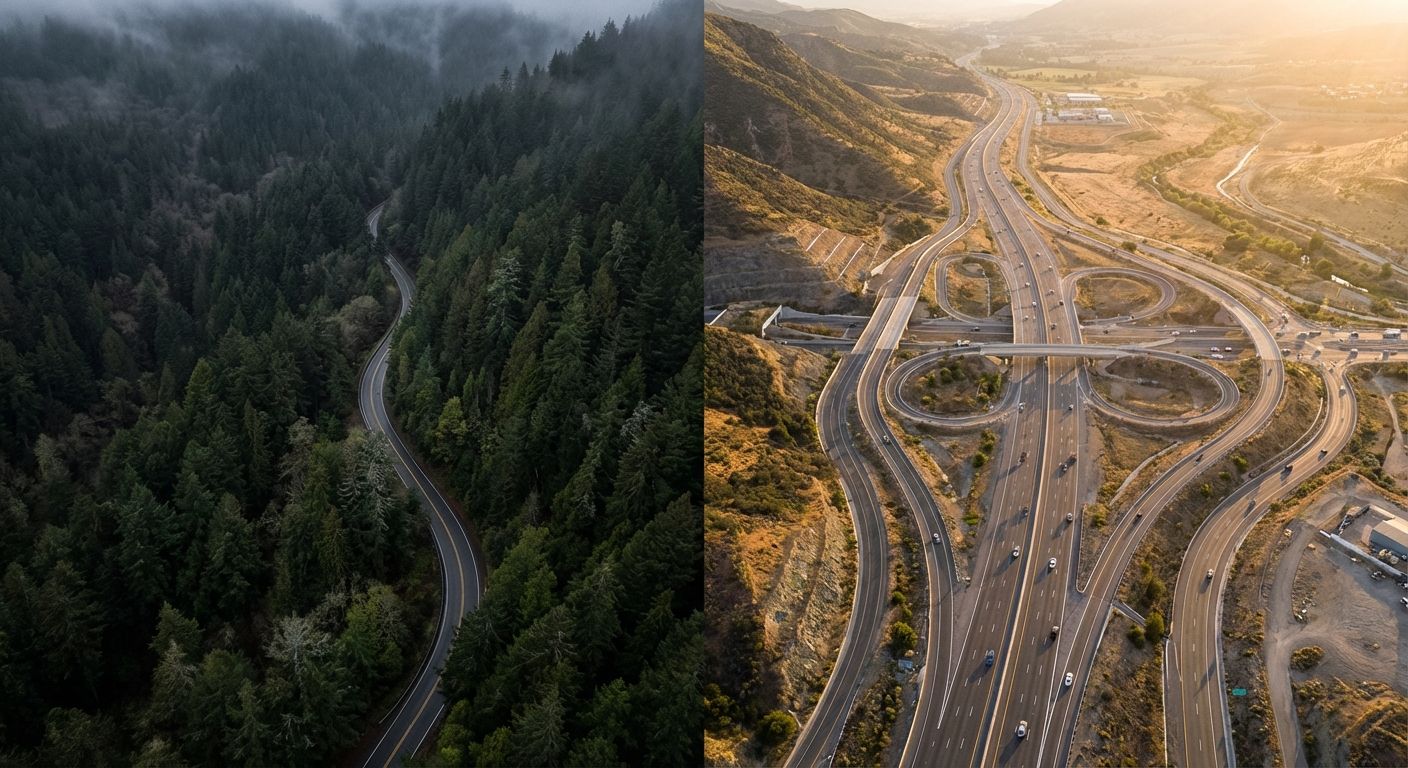
StudyStudy From HereDetails
A dramatic aerial photograph showcases a stark contrast: on one side, a single, winding, narrow road cuts through a dense, shadowed forest, implying a constrained path. On the other side, a vibrant, multi-lane highway branches into several distinct, flowing routes, bathed in bright sunlight, symbolizing multiple pathways and reduced resistance.

AQA GCSE Physics: Series and Parallel Circuits

Covers the rules for current, potential difference, and resistance in series and parallel circuits. Includes how to calculate total resistance for components in series and parallel (qualitatively for parallel).
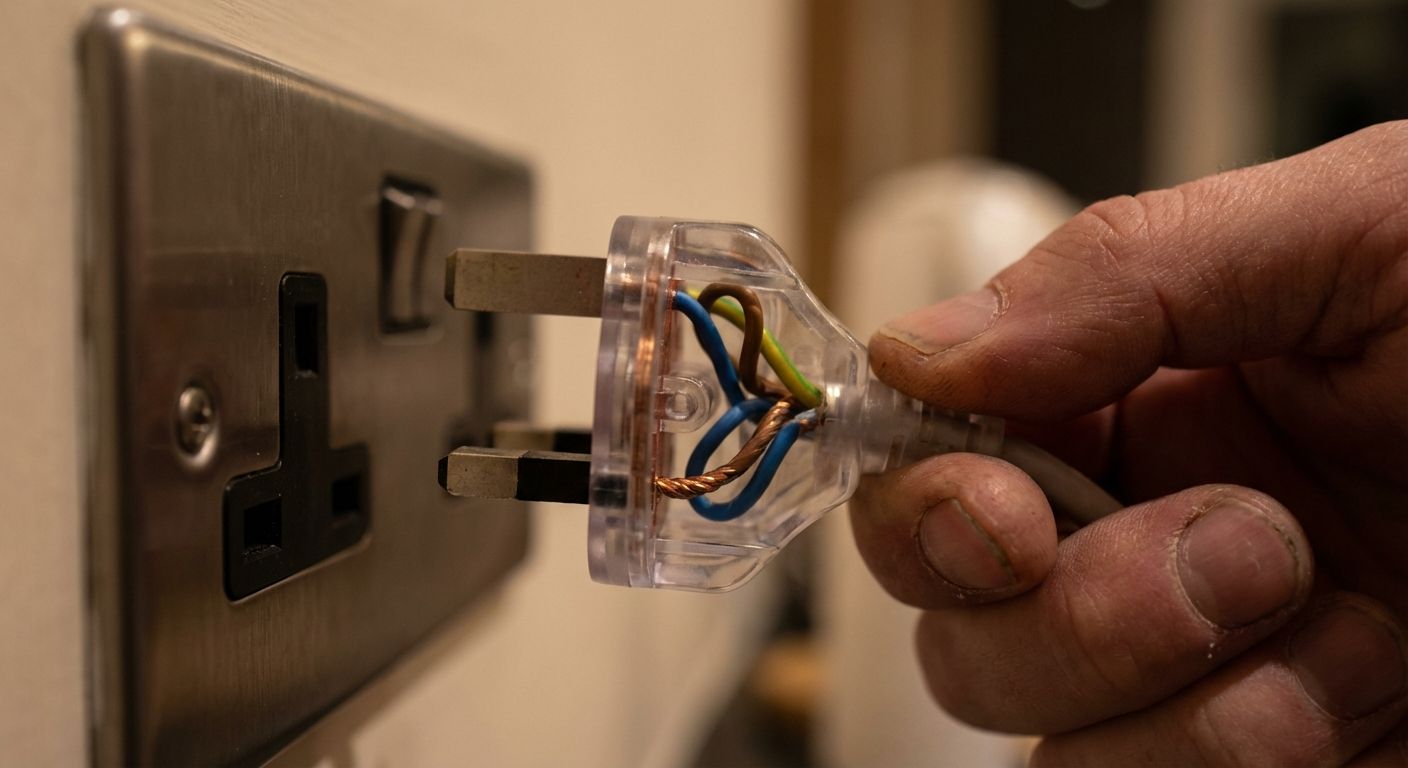
StudyStudy From HereDetails
A dramatic, close-up photograph of a hand carefully inserting a UK three-pin plug into a modern wall socket. The plug's casing is slightly transparent or open, subtly revealing the brown, blue, and green-and-yellow striped wires inside, with a sharp focus on the plug and wires.

AQA GCSE Physics: Domestic Electricity and Safety

Covers the difference between direct and alternating potential difference, the features of the UK domestic mains electricity supply (voltage and frequency), and the wiring and safety features of a standard three-pin plug (live, neutral, earth wires, and the fuse).
StudyStudy From HereDetails
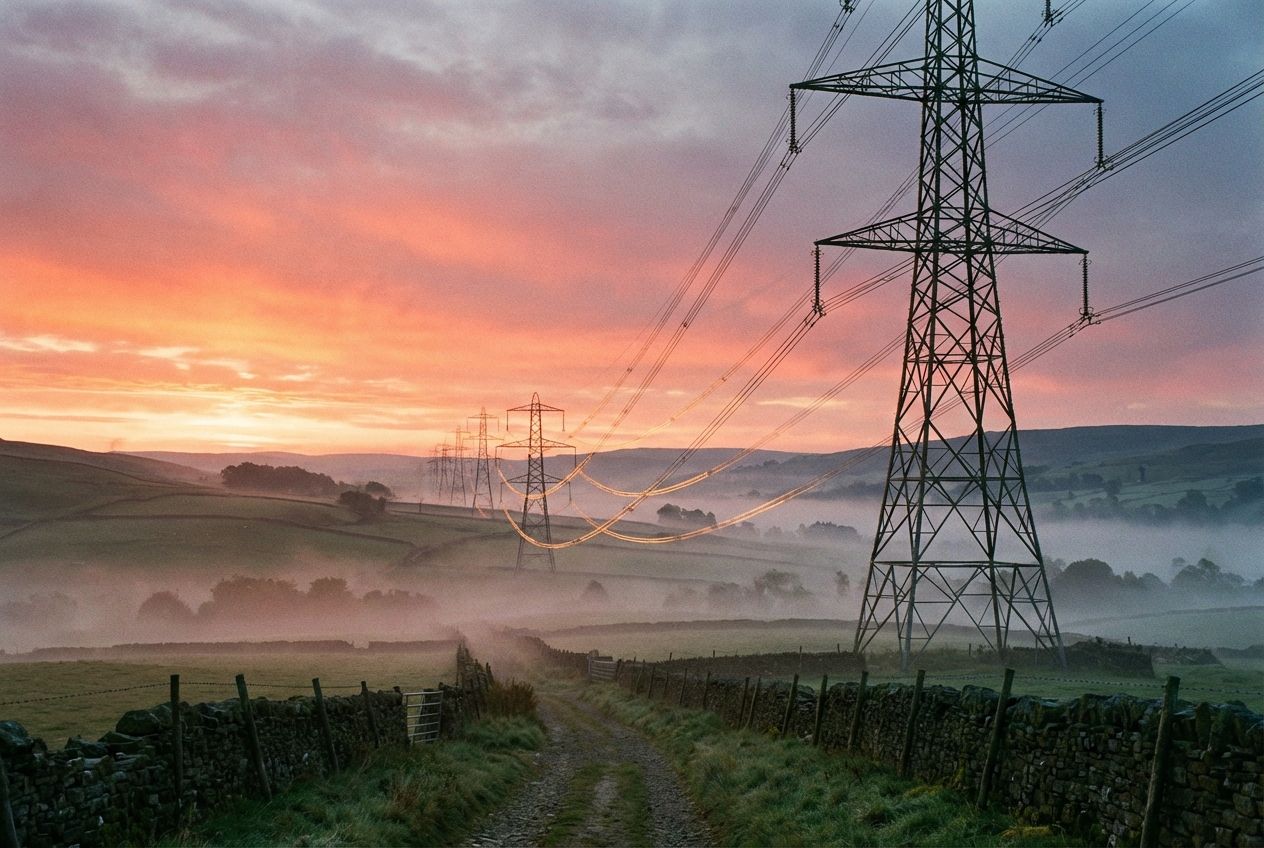
A dramatic wide-angle photograph of towering electricity pylons with gleaming high-voltage transmission cables, stretching across a misty British countryside at dawn. The scene captures the vast, interconnected network of the National Grid in a powerful 3:2 landscape frame.

AQA GCSE Physics: Electrical Power and the National Grid

Covers the calculation of electrical power and energy transferred in circuits and appliances. Explains the structure and function of the National Grid, including the role of step-up and step-down transformers in efficient energy transmission.

StudyStudy From HereDetails
A dramatic, close-up photograph of a child's hair standing on end, playfully attracted to a vibrant balloon held just above their head. The scene is bathed in soft, warm light, emphasizing the fine strands of hair and the balloon's texture, composed for a wide landscape frame.

AQA GCSE Physics: Static Electricity

Explains the generation of static electricity in insulators by friction, through the transfer of electrons. Covers the forces of attraction and repulsion between charged objects and the concept of an electric field.
StudyStudy From HereDetails
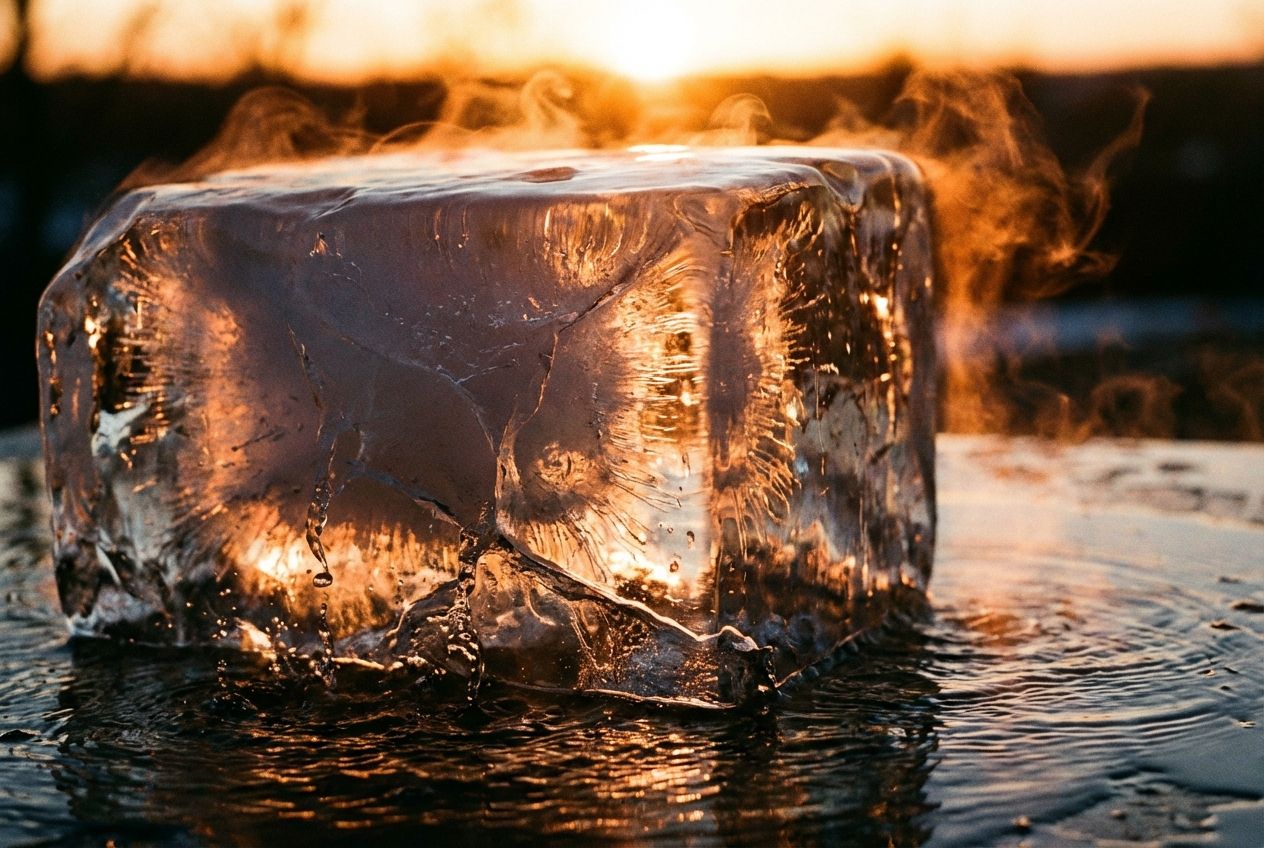
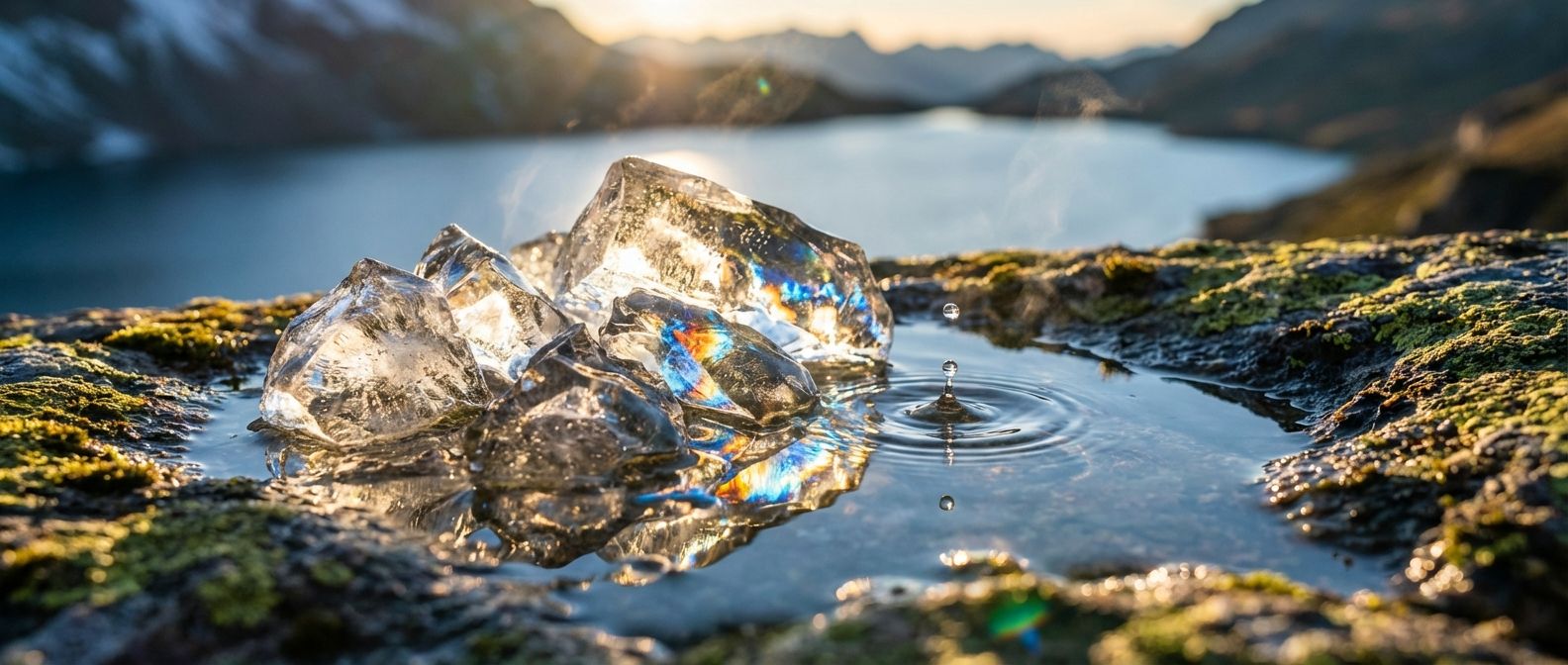
A dramatic close-up photograph of a large, clear block of ice rapidly melting into a pool of water, with tendrils of steam visibly rising from the surface. Warm, intense backlighting creates strong contrasts and highlights, composed for a 3:2 landscape frame.

AQA GCSE Physics: Density and Changes of State

Covers the particle model of matter for solids, liquids, and gases. Introduces the concept of density and its calculation. Describes the six changes of state (melting, freezing, boiling, condensing, evaporating, sublimating) and explains them using the particle model.
StudyStudy From HereDetails
A dramatic, extreme close-up photograph of large ice cubes slowly melting into a clear pool of water, with light refracting vividly through the ice and water droplets, creating a sense of subtle transformation and energy transfer in a wide landscape shot.

AQA GCSE Physics: Internal Energy and Heat

Defines internal energy as the total kinetic and potential energy of particles in a system. Covers specific heat capacity and the energy changes when a substance is heated. Also covers specific latent heat and the energy changes during a change of state.
StudyStudy From HereDetails
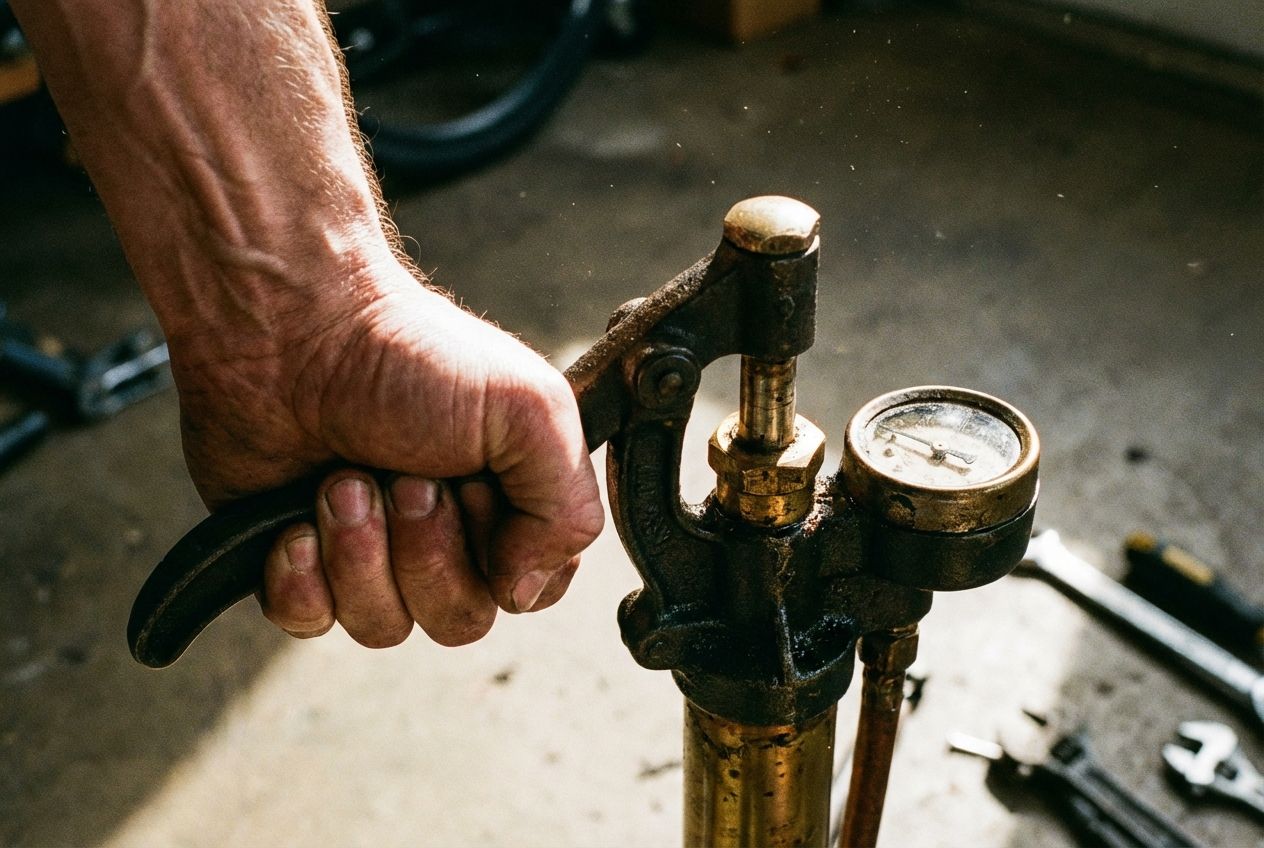
A close-up, dramatic photograph of a strong hand firmly gripping and pushing down the handle of a vintage, heavy-duty bicycle pump. The metal of the pump gleams under intense, directional light, conveying the physical effort and the build-up of pressure, composed for a 3:2 landscape frame.

AQA GCSE Physics: Gas Pressure

Explains gas pressure in terms of the collisions of gas particles with the walls of a container. Covers the relationship between the pressure and volume of a gas at constant temperature, and how changing the temperature of a gas affects its pressure at constant volume.
StudyStudy From HereDetails
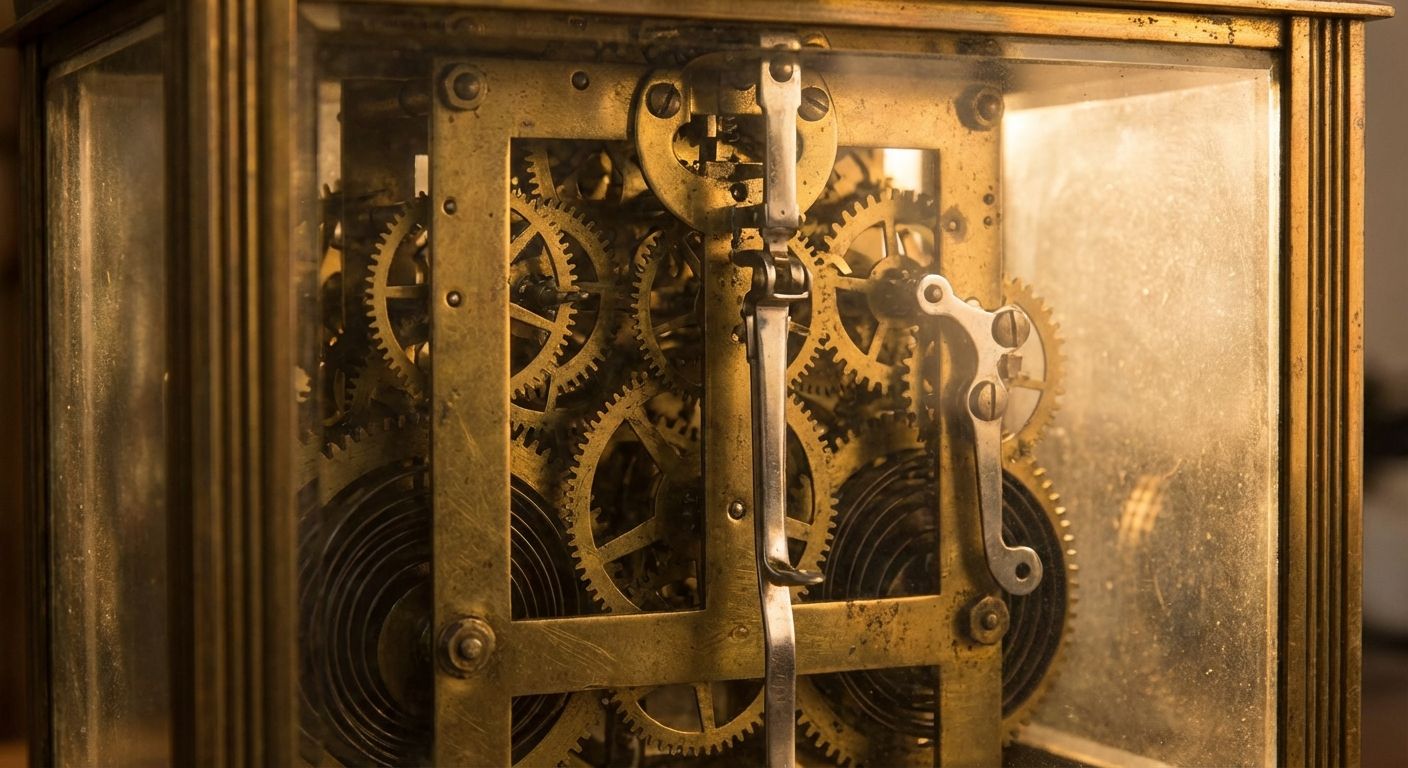
A complex array of interlocking brass gears and levers inside an antique clock mechanism, bathed in warm, diffused light, highlighting the intricate details and the interplay of motion.

AQA GCSE Physics: Atomic Structure and Isotopes

Covers the modern model of the atom, including protons, neutrons, and electrons and their relative charges and masses. Defines atomic number and mass number, and explains the concept of isotopes. Also covers the historical development of the atomic model from Dalton to Bohr.
StudyStudy From HereDetails
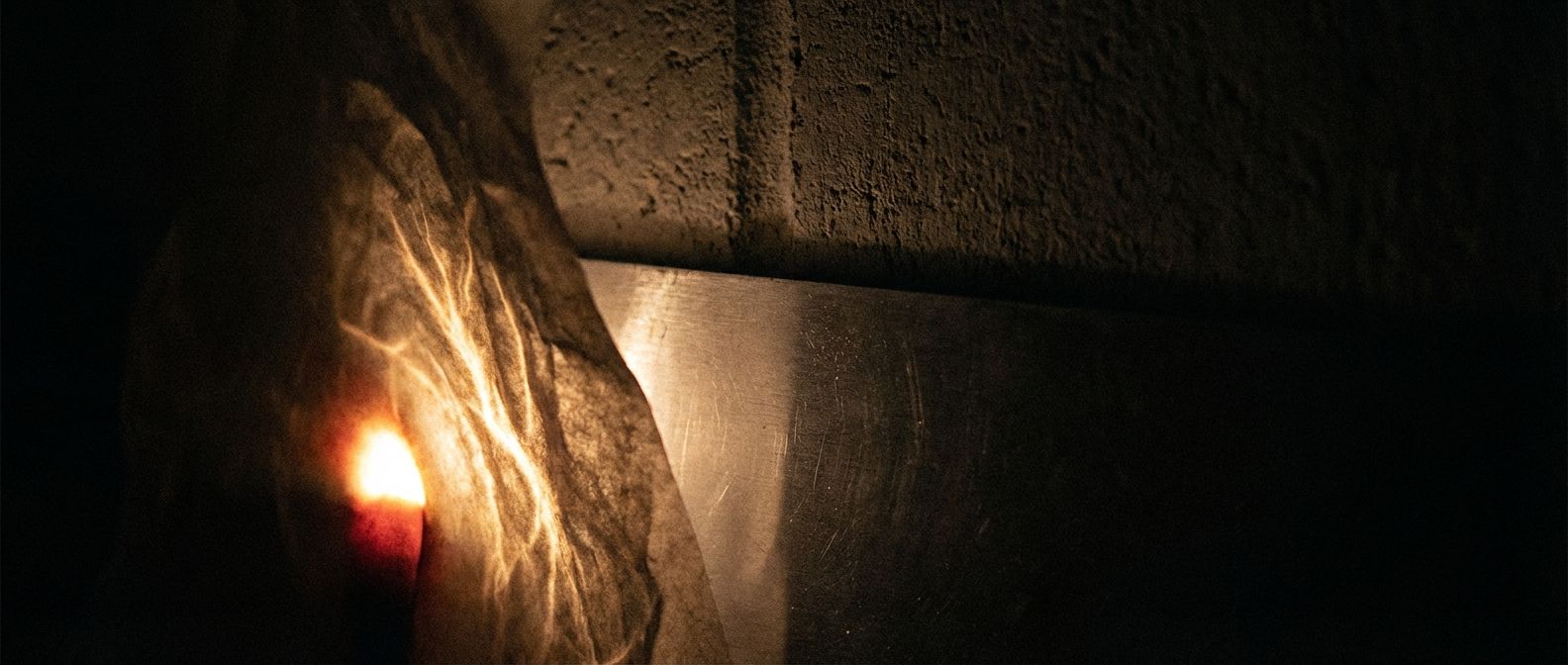
A dramatic, close-up photograph of an intense, ethereal glow emanating from a dark, unseen source. The powerful light pierces effortlessly through a delicate, crumpled sheet of paper, then struggles to faintly illuminate a thin sheet of brushed aluminum, before being completely absorbed by a thick, rough concrete wall in the background. The scene is cast in deep shadows with the glowing light as the sole, mysterious illumination, emphasizing the varying penetration of unseen forces in a wide, horizontal frame.

AQA GCSE Physics: Radioactive Decay

Covers the process of radioactive decay in unstable atomic nuclei. Describes the nature, properties (penetrating power, ionising power, range in air), and symbols of alpha particles, beta particles, and gamma rays. Includes how to write and balance nuclear equations for radioactive decay.
StudyStudy From HereDetails
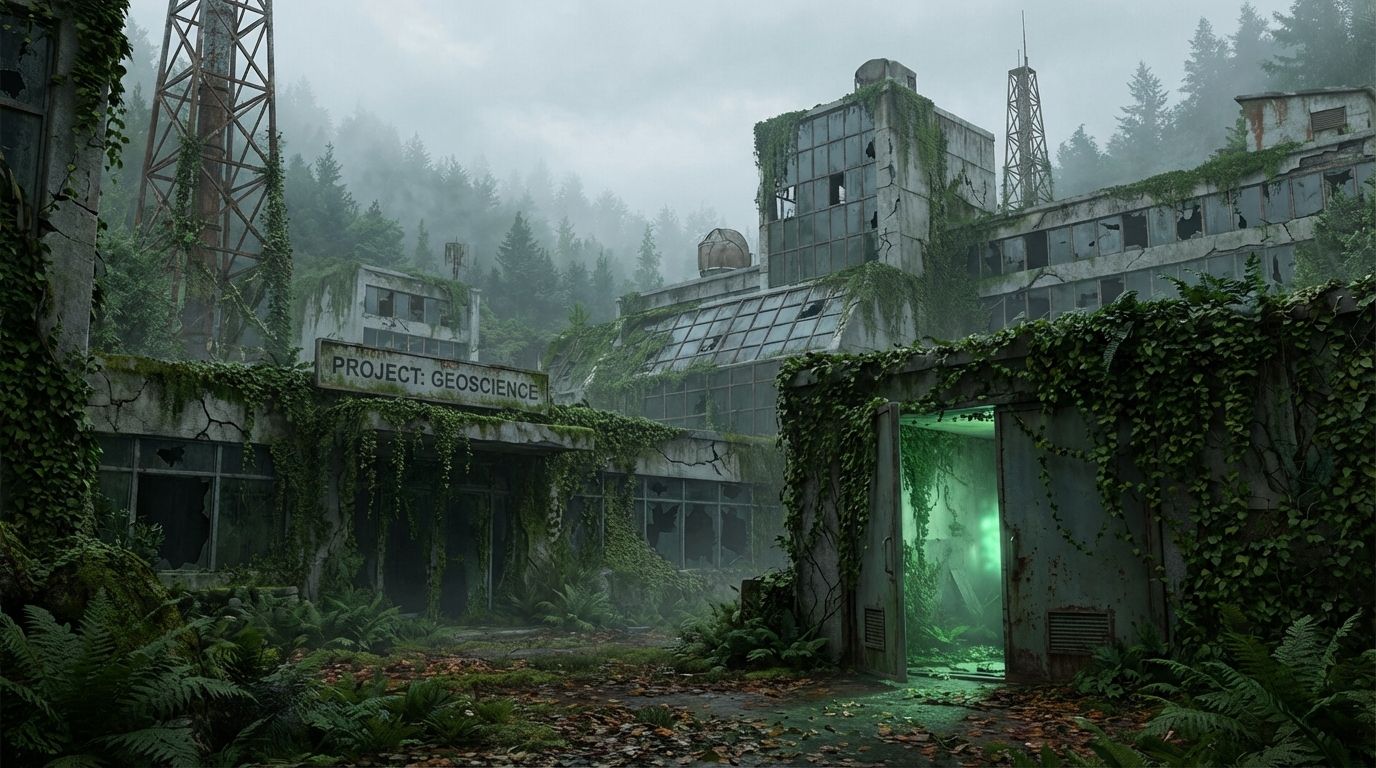
A wide-angle, atmospheric photograph of an old, abandoned scientific research facility, partially overgrown with lush vegetation, its structures showing signs of gradual decay and the passage of time. A subtle, ethereal green glow emanates from within a partially open doorway, hinting at unseen energies and residual scientific processes.

AQA GCSE Physics: Half-Life and Radioactivity Hazards

Defines half-life and explains the random nature of radioactive decay. Covers how to determine half-life from a graph. Distinguishes between radioactive contamination and irradiation and describes the associated hazards. Also covers sources of background radiation.
StudyStudy From HereDetails
A breathtaking wide-angle photograph of a vibrant, swirling nebula in deep space, with brilliant stars emerging from its colorful gas clouds. The scene evokes immense cosmic power and the fundamental forces of the universe, composed for a 3:2 landscape frame.

AQA GCSE Physics: Uses, Fission and Fusion

Covers the uses of nuclear radiation in medicine (exploration and treatment) and industry, linking uses to the properties of the radiation and the half-life of the source. Describes the processes of nuclear fission (including chain reactions) and nuclear fusion, and their roles in power generation and stars.
StudyStudy From HereDetails
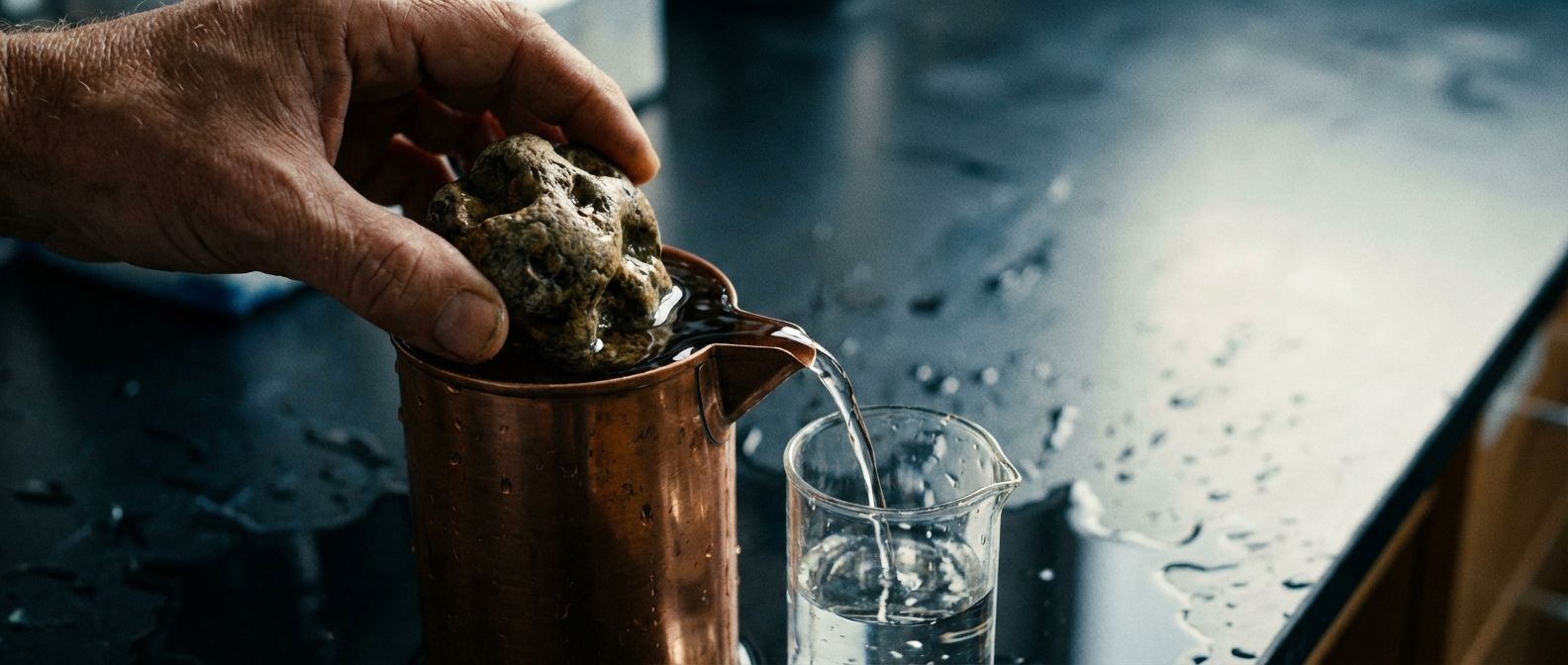
A dramatic, close-up photograph of a small, irregular stone being carefully lowered into a displacement can, filled to the brim with water, with water just beginning to overflow and trickle into a measuring cylinder placed underneath. The scene is set on a dark, reflective surface with strong, focused lighting highlighting the transparency of the water and the texture of the stone, composed for a wide, horizontal frame.

AQA GCSE Physics: Required Practical - Density

This deck covers the AQA GCSE Physics Required Practical on density. You will learn the methods for determining the density of regular solids, irregular solids, and liquids, including the apparatus used, key measurements, and the final calculation. We'll also cover common sources of error and how to improve the accuracy of your results.
StudyStudy From HereDetails
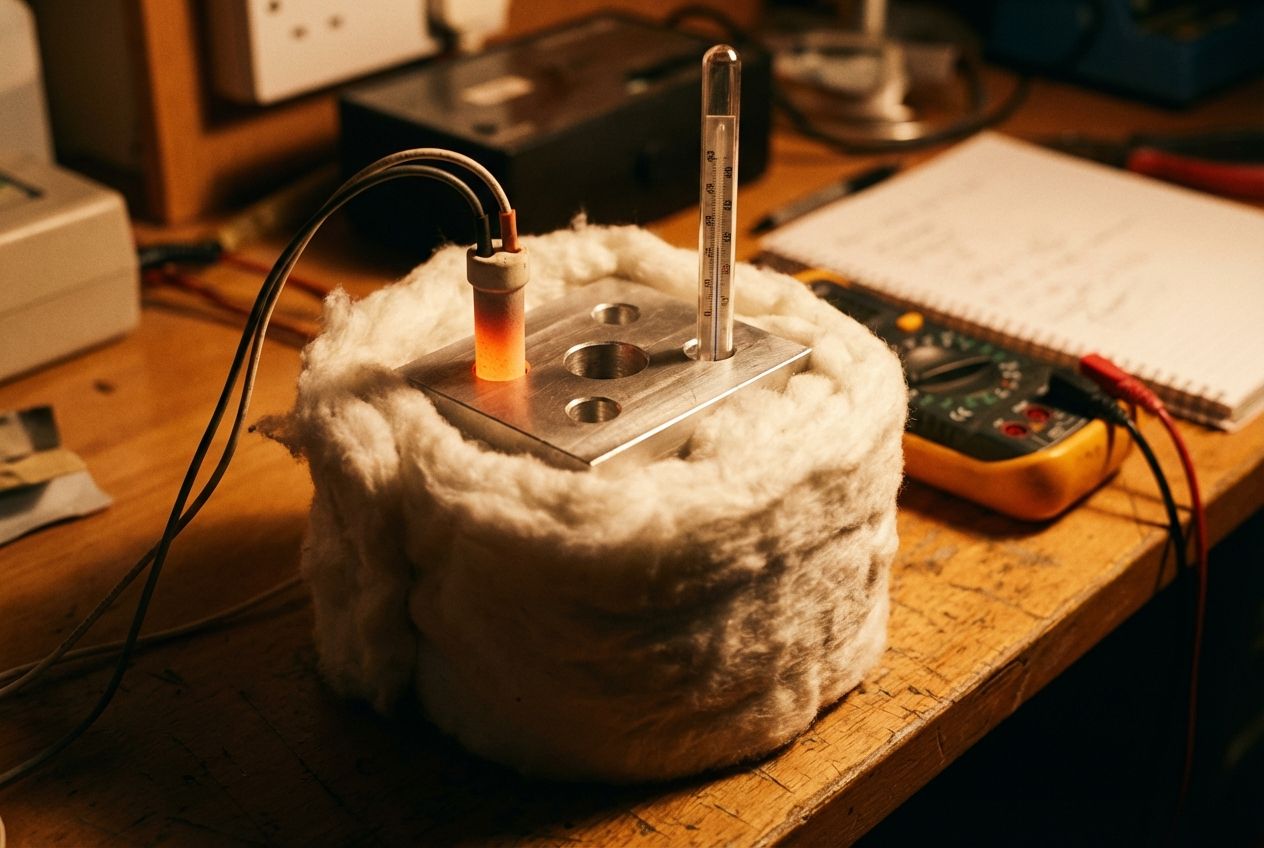
A dramatic close-up, 3:2 landscape photograph of an aluminium block, partially wrapped in cotton wool insulation. An electric heating element is inserted into one hole, with a glass thermometer in another, both casting subtle shadows. Electrical wires extend from the heater. The scene is lit with warm, focused light, emphasizing the scientific apparatus and the concept of precise heat transfer measurement.

AQA GCSE Physics: Required Practical - Specific Heat Capacity

Covers the method for Required Practical 1: determining the specific heat capacity of a material. Includes the circuit, apparatus, measurements, calculations, and common sources of error like thermal energy loss.

StudyStudy From HereDetails
A dramatic, close-up photograph of a steaming mug of hot chocolate, nestled amongst thick, soft wool blankets on a rustic wooden window sill. Outside, a softly blurred winter wonderland suggests extreme cold, highlighting the cozy warmth and effective insulation within, composed for a 3:2 landscape frame.

AQA GCSE Physics: Required Practical - Thermal Insulation

Covers the method for Required Practical 2: investigating the effectiveness of different materials as thermal insulators. Includes independent, dependent, and control variables, the method, and how to draw a valid conclusion.
StudyStudy From HereDetails
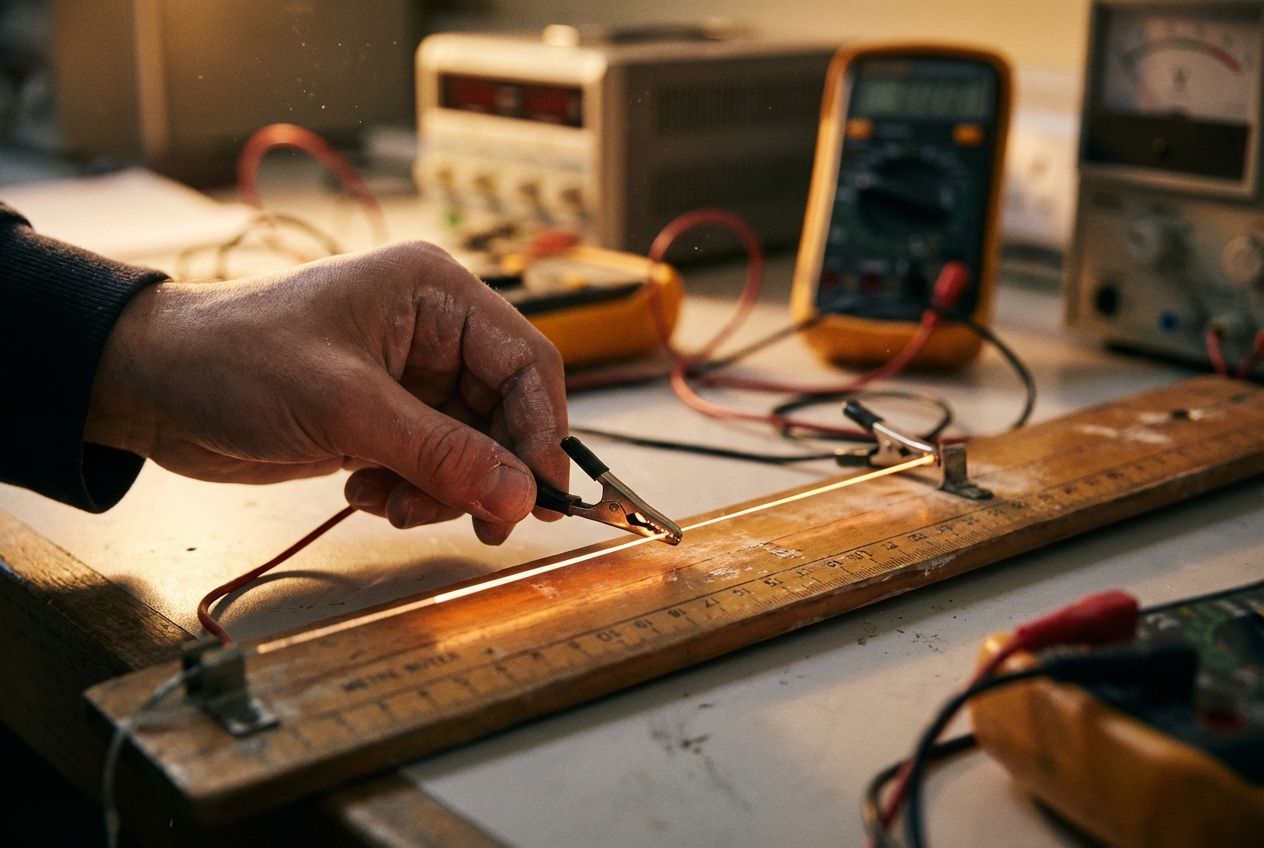
A dramatic, close-up photograph of a physics experiment in progress, composed for a 3:2 landscape. A length of resistance wire is precisely stretched across a wooden metre ruler on a laboratory workbench. A student's hand, partially visible, is carefully adjusting a metallic crocodile clip along the wire, while another clip is already secured. In the softly blurred background, electrical meters and connecting wires are visible, capturing the meticulous nature of scientific measurement.

AQA GCSE Physics: Required Practical - Resistance

Covers the method for Required Practical 3: investigating the factors affecting resistance, focusing on the length of a wire. Includes the circuit diagram, variables, method, and potential errors such as heating effects.
StudyStudy From HereDetails
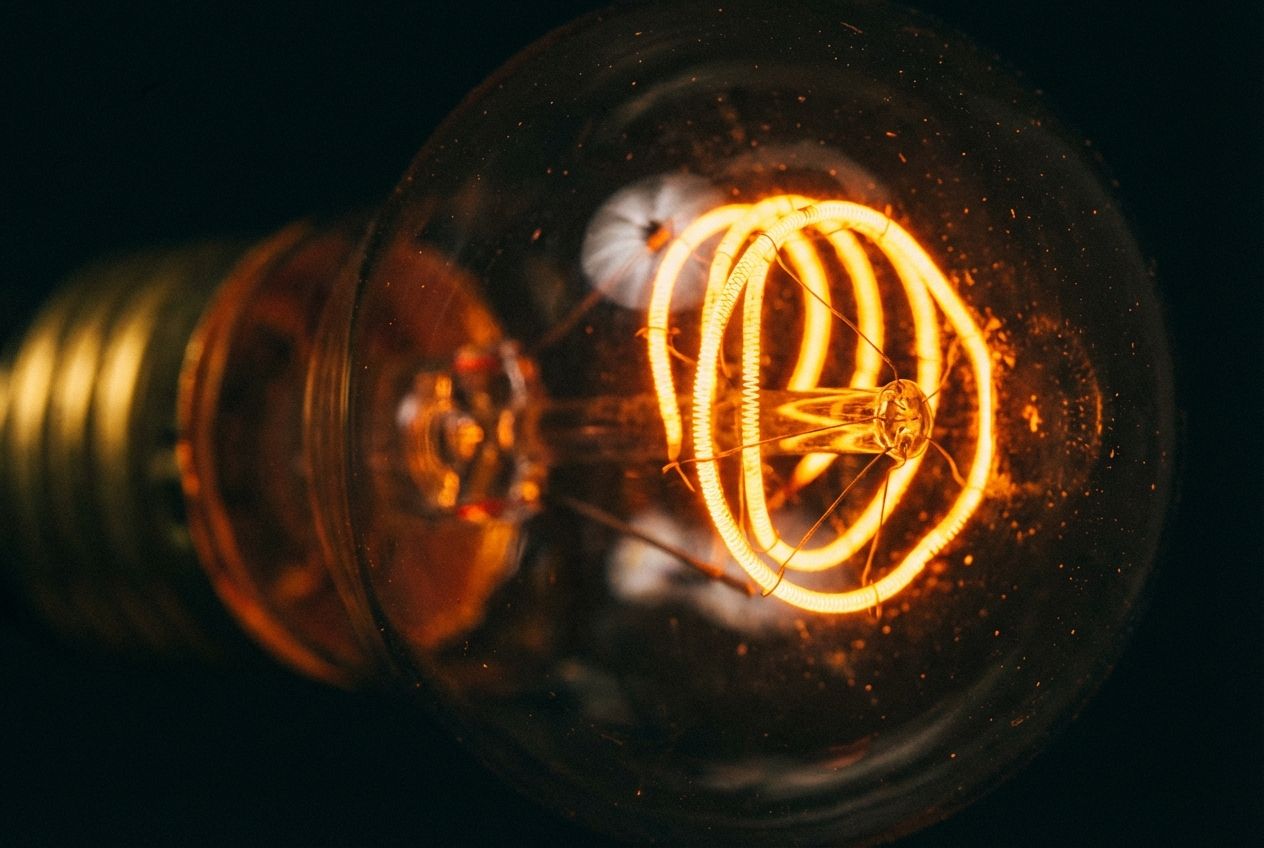
A dramatic, extreme close-up photograph of the glowing, incandescent filament inside a vintage light bulb. The coiled wire filament radiates a warm, bright orange-yellow light, contrasting with a dark, slightly blurred background, emphasizing the intense heat and light within the delicate structure, composed for a 3:2 landscape frame.

AQA GCSE Physics: Required Practical - I-V Characteristics

Covers the method for Required Practical 4: investigating the current-voltage (I-V) characteristics of a resistor, a filament lamp, and a diode. Includes the circuit diagram, method, and interpretation of the resulting graphs.

StudyStudy From HereDetails

Learn GCSE Physics (AQA): Paper 1 differently

Auracle is an audio-first learning platform built for busy people. Memorize anything without looking at a screen.

Hands-Free Learning

Listen, interact, and review cards entirely through audio. Perfect for commuting, walking, or at the gym.

Spaced Repetition

Auracle uses a scientific algorithm to schedule your reviews at the optimal time, ensuring you never forget what you learn.

Learn how it works

Ready to start the GCSE Physics (AQA): Paper 1 audio course?