Auracle
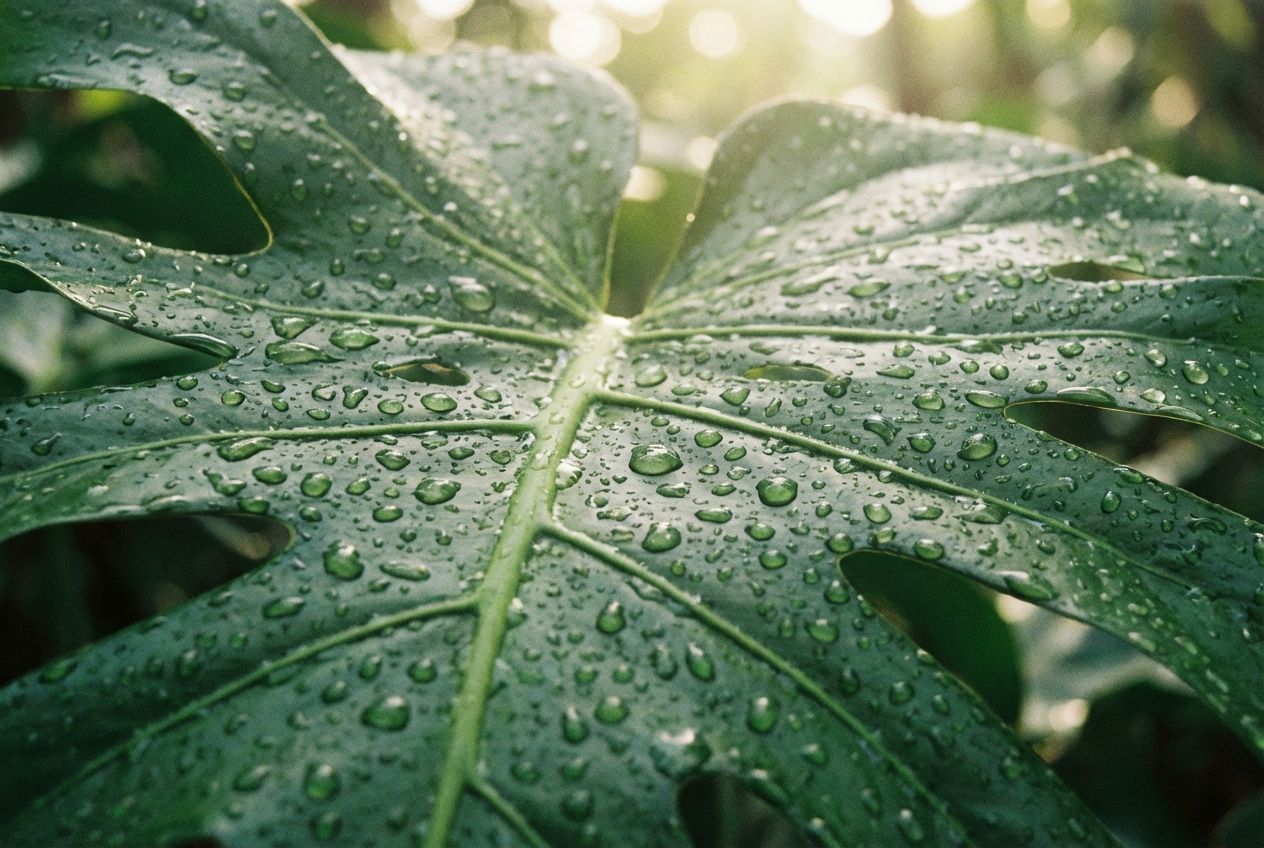
A dramatic, close-up photograph of a large, vibrant green leaf after a rain shower. Tiny, perfectly spherical water droplets bead on its waxy surface, reflecting the soft sunlight filtering through a lush canopy. The intricate network of veins is clearly visible, hinting at the internal transport systems, composed for a 3:2 landscape.
CoursePublicCreated 27/03/2026

GCSE Biology (AQA): Paper 1

Everything you need for AQA GCSE Biology Paper 1. We cover the lot – from cell structure and the digestive system to photosynthesis and pathogens, including all the Higher Tier topics.

Total Decks
15
Course Completion
0%
0/15 Decks
Answer Language
en-GB
Course Completion
0%
0/15 Decks

Decks in this Course

15 items
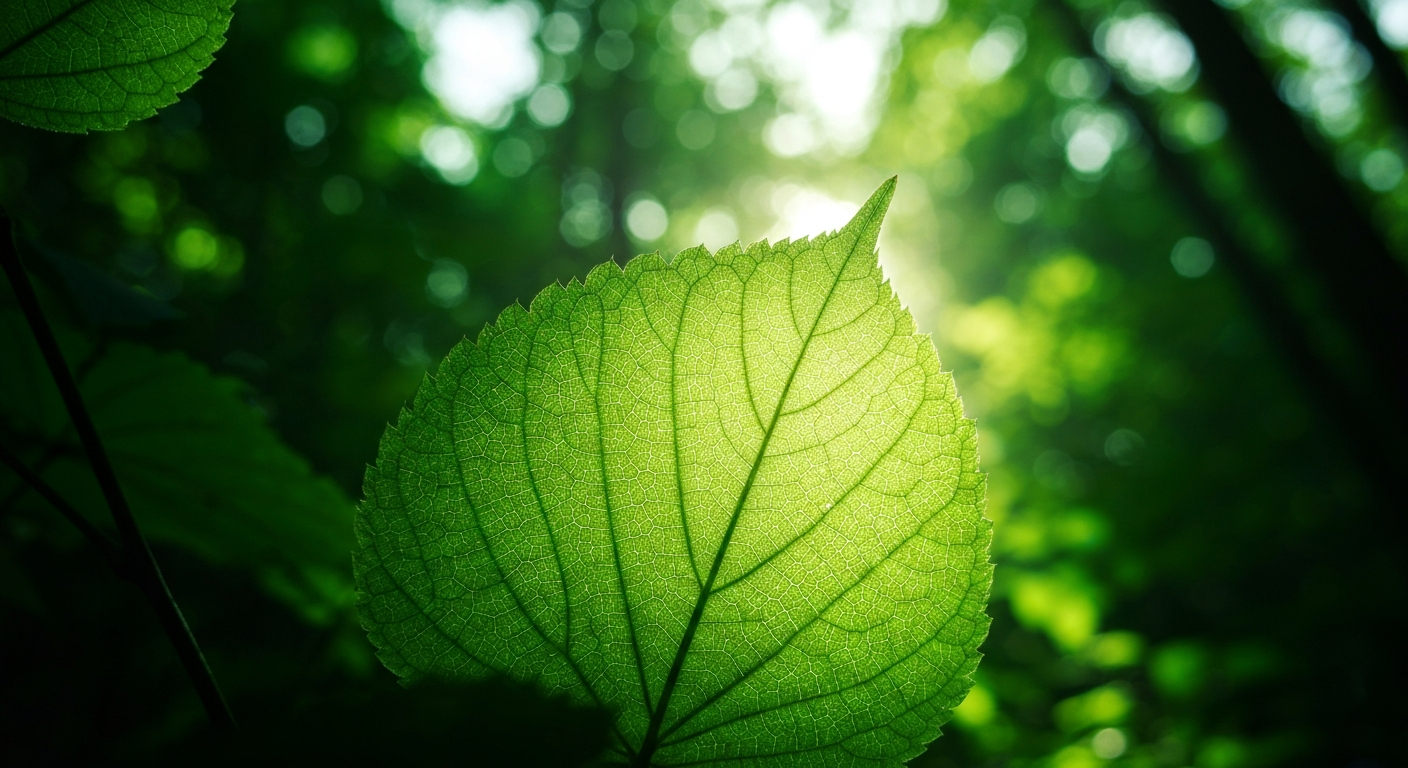
The image is a close-up shot of a vibrant green leaf, possibly in a forest setting. The style is naturalistic and focuses on detailed textures. The leaf is the main subject, positioned slightly off-center and backlit by sunlight filtering through the canopy. The background is a soft, bokeh effect of green and white, creating a sense of depth and highlighting the leaf. Colors are primarily shades of green, ranging from dark, rich tones in the shadows to lighter, almost translucent hues in the leaf itself where the sun shines through. The composition directs the eye to the intricate vein structure of the leaf.

GCSE Biology: Eukaryotic and Prokaryotic Cell Structure

Learn the structure and function of organelles in eukaryotic (animal and plant) and prokaryotic (bacterial) cells. This deck covers the key differences between these cell types, and the principles of cell specialisation and differentiation, as required for the AQA GCSE Biology exam.
StudyStudy From HereDetails
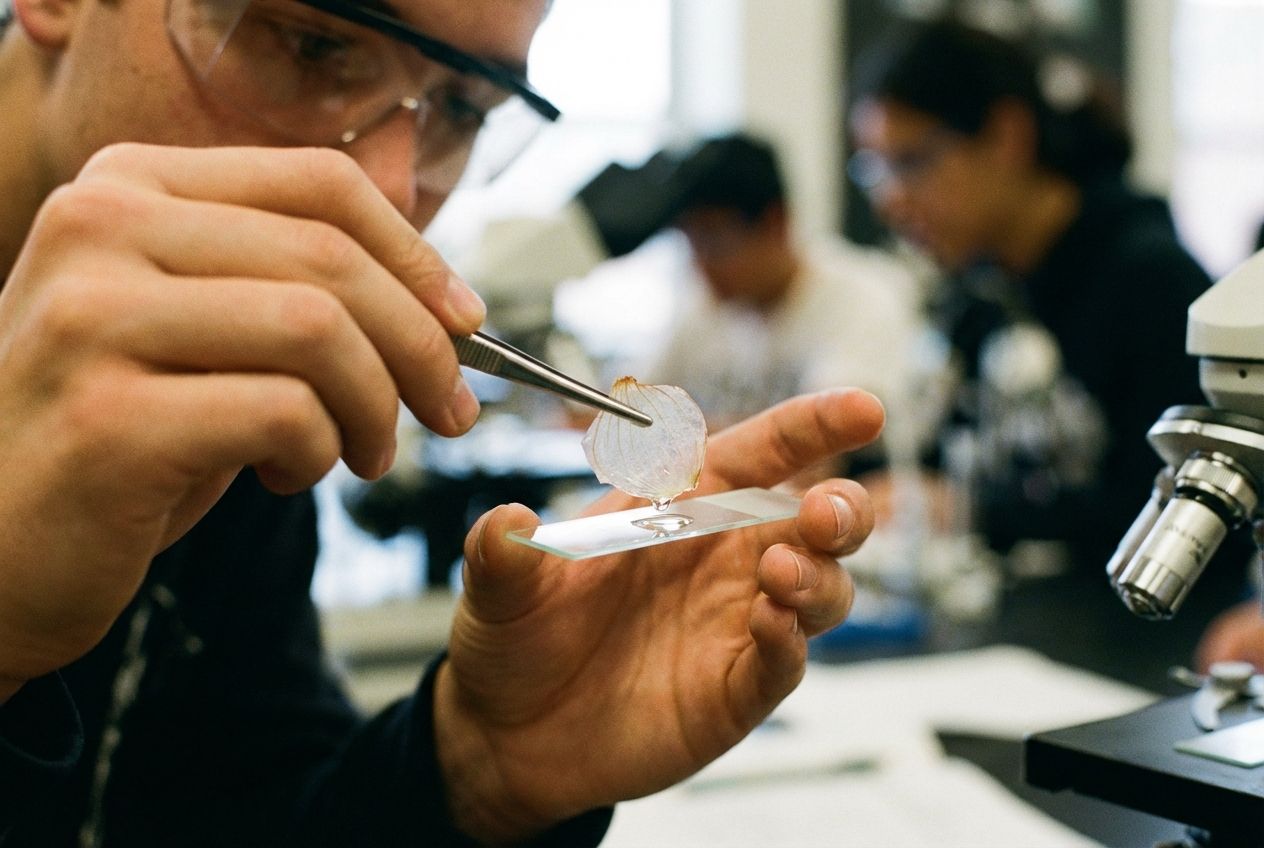
A close-up photograph of a student carefully preparing a microscope slide of a thin, translucent onion skin sample, illuminated by the bright light of a laboratory, with the focus on the delicate process of cell observation.

GCSE Biology: Microscopy and Culturing Microorganisms

Learn the principles of light and electron microscopy, including calculating magnification. Covers the method for Required Practical 1 (using a light microscope) and Required Practical 2 (culturing microorganisms and testing antiseptics or antibiotics).
StudyStudy From HereDetails
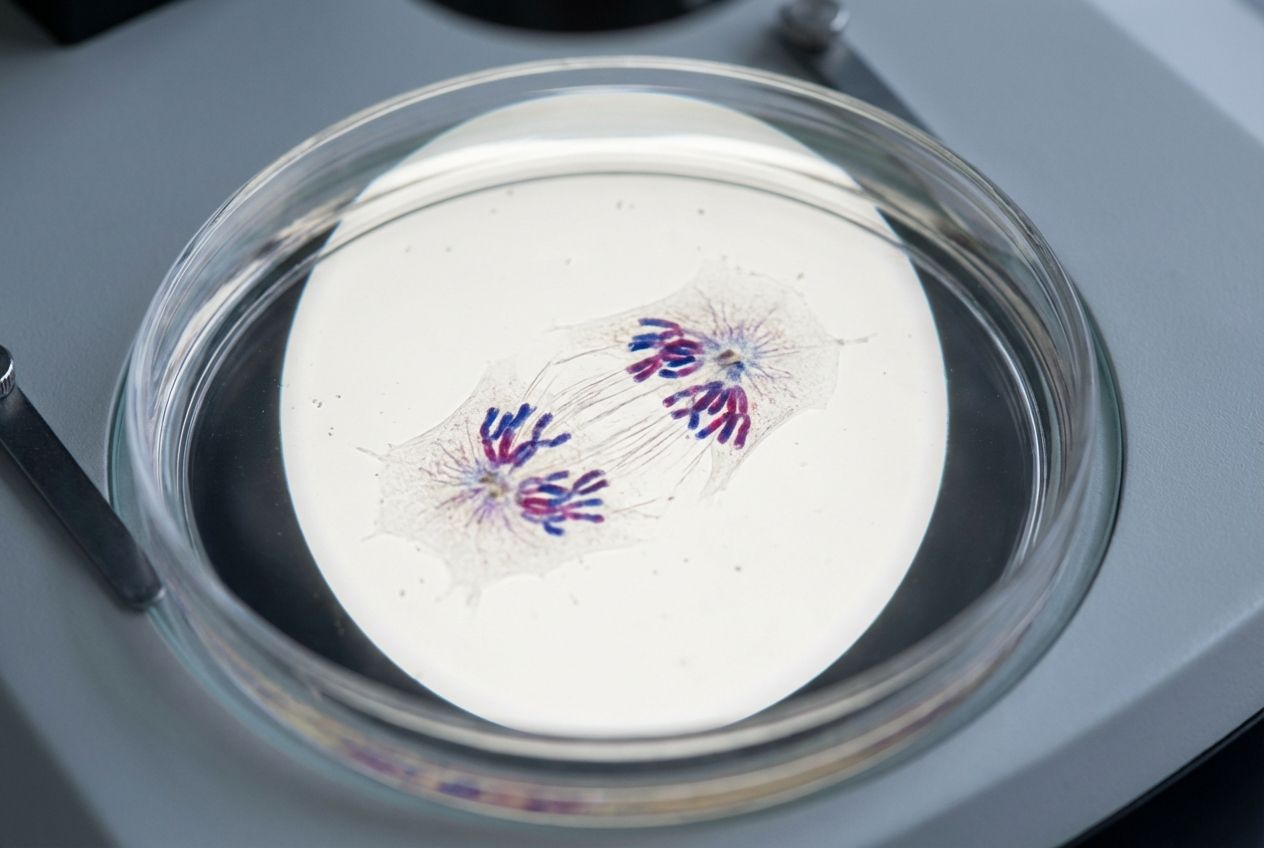
A close-up photograph of a petri dish containing cells undergoing mitosis, with chromosomes visibly separating and moving towards opposite poles, under a microscope with bright, even lighting.

GCSE Biology: Mitosis, the Cell Cycle, and Stem Cells

Learn the structure of chromosomes and the stages of the cell cycle, with a focus on mitosis. Covers the role of mitosis in growth and repair, and the function, sources, and potential uses and controversies of stem cells in medicine.
StudyStudy From HereDetails
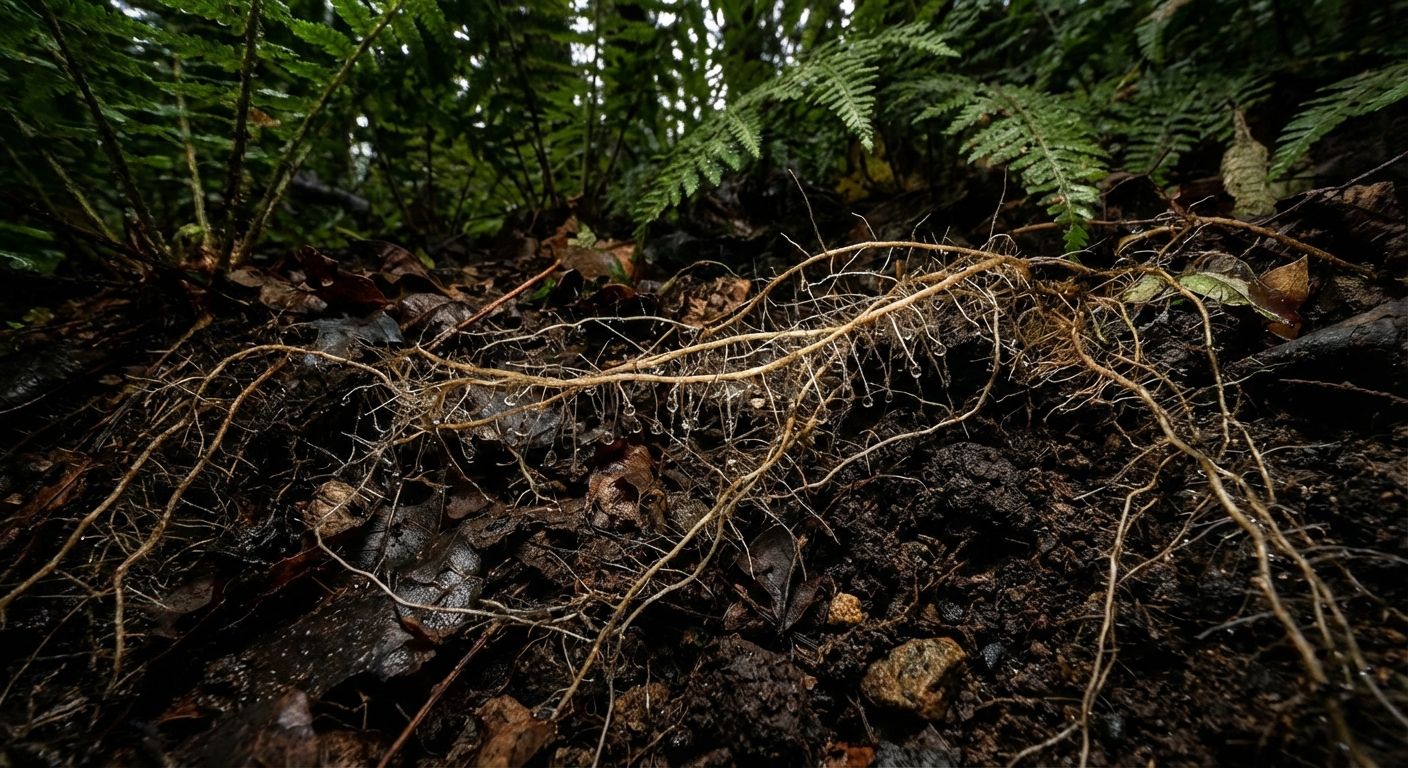
A dramatic, wide-angle macro photograph of a vibrant, intricate plant root system deeply embedded in dark, moist soil. Glistening water droplets cling to delicate root hairs, suggesting active absorption and unseen exchange of substances.

GCSE Biology: Diffusion, Osmosis, and Active Transport

Learn the three main processes for moving substances into and out of cells: diffusion, osmosis, and active transport. Covers the factors affecting the rate of diffusion and includes the method for Required Practical 3 (investigating osmosis in plant tissue).
StudyStudy From HereDetails
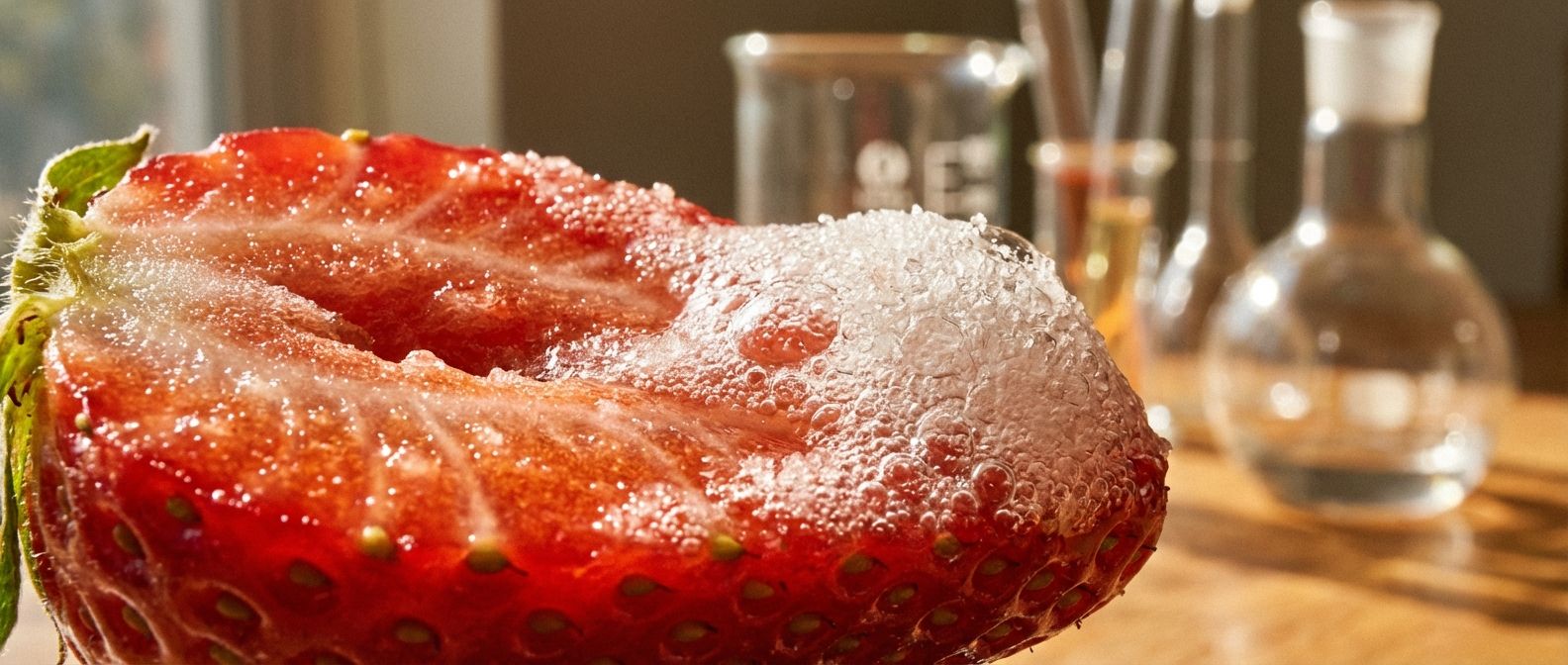
A vibrant, high-contrast, extreme close-up photograph of a fresh, juicy strawberry, partially sliced open, with a delicate, almost crystalline or foamy texture appearing along the cut edge, suggesting a rapid breakdown of its structure. In the soft-focus background, a subtle arrangement of elegant laboratory glassware, like beakers and test tubes, is visible, bathed in warm, natural light, composed for a wide horizontal frame.

GCSE Biology: The Digestive System and Enzymes

This deck covers the principles of biological organisation, from cells to organ systems. You'll explore the human digestive system, learning about the function of each organ. We'll then dive into the world of enzymes, understanding their role as biological catalysts, the lock and key model, and how factors like pH affect their activity. This deck also covers the methods for two required practicals: testing for food molecules and investigating the effect of pH on amylase.
StudyStudy From HereDetails
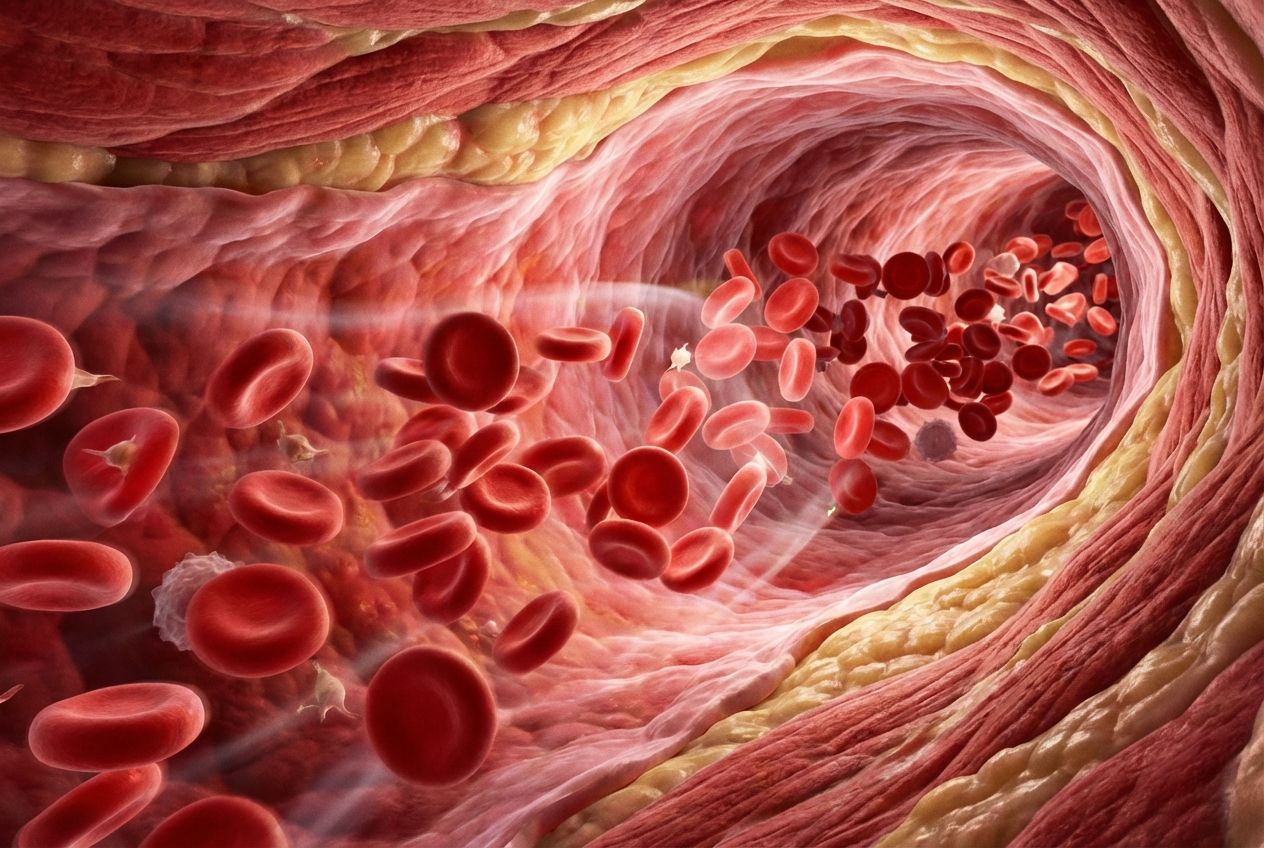
A macro photograph of red blood cells flowing through a healthy artery, illuminated to show the intricate details of the blood vessel walls and the cells' movement.

GCSE Biology: The Heart, Blood Vessels, and Blood

Learn the structure and function of the human heart as a double circulatory system. Covers the three types of blood vessel (arteries, veins, capillaries) and their adaptations. Includes the four main components of blood and their roles.

StudyStudy From HereDetails
A wide-angle, high-contrast photograph of a person's silhouette walking away down a long road, with a vibrant sunset behind them, symbolizing the journey of lifestyle choices impacting health. The road forks in the distance, representing decisions and their potential outcomes on well-being.

GCSE Biology: Non-Communicable Diseases and Lifestyle

Learn about non-communicable diseases, focusing on coronary heart disease, its causes, and treatments. Covers the concept of risk factors, the impact of lifestyle on health, and the causes and types of cancer.
StudyStudy From HereDetails
A dramatic, close-up photograph of a large, vibrant green leaf after a rain shower. Tiny, perfectly spherical water droplets bead on its waxy surface, reflecting the soft sunlight filtering through a lush canopy. The intricate network of veins is clearly visible, hinting at the internal transport systems, composed for a 3:2 landscape.

GCSE Biology: Plant Tissues and Transport Systems

Learn the structure of plant tissues like xylem, phloem, and meristem. Covers the structure of a leaf and the processes of transpiration and translocation for transporting water, mineral ions, and sugars around the plant.
StudyStudy From HereDetails
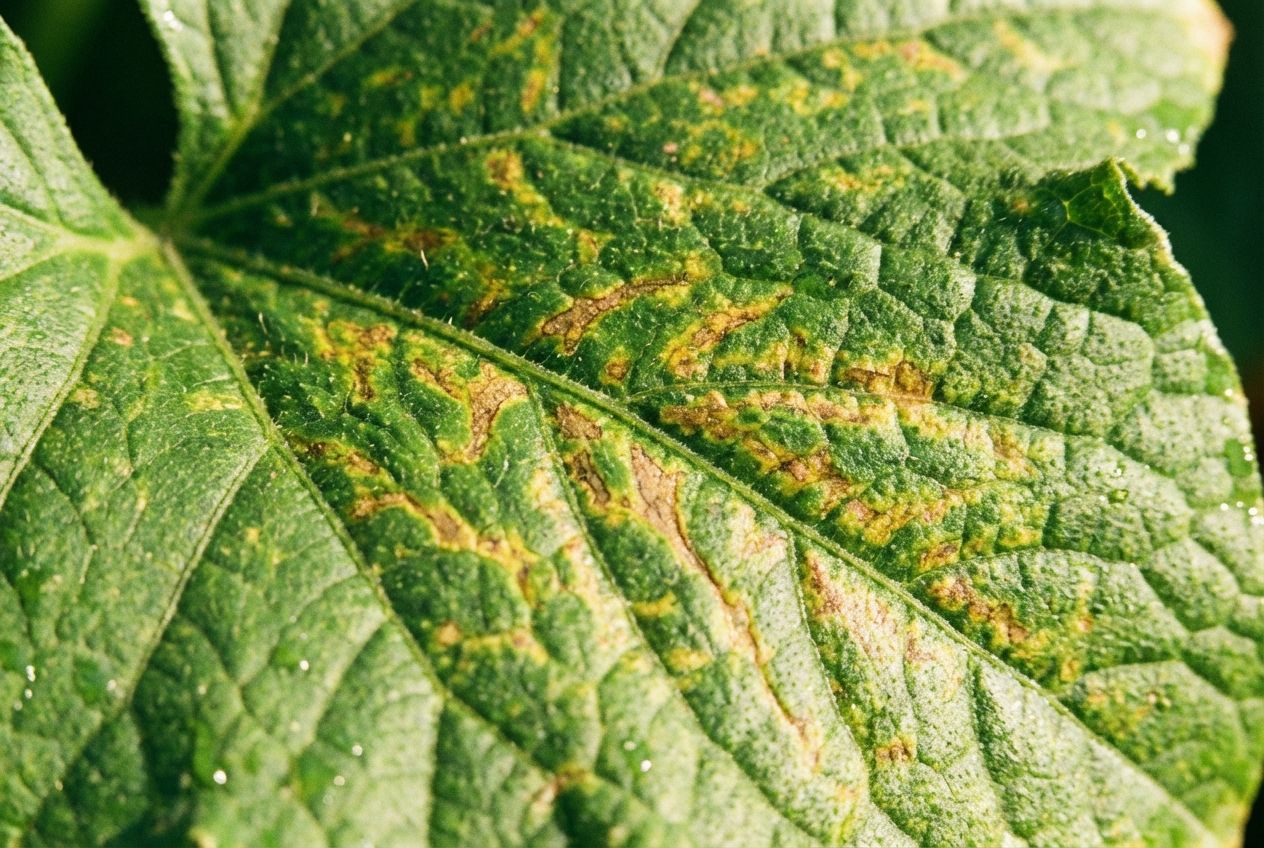
A dramatic close-up, macro photograph of a vibrant green plant leaf, showing a subtle yet distinct mosaic pattern of yellow and brown discolouration spreading across its surface, hinting at a hidden disease. The lighting is soft and natural, emphasizing texture and detail, composed for a 3:2 landscape frame.

GCSE Biology: Pathogens and Communicable Diseases

Learn how communicable diseases are spread by pathogens. Covers the four main types of pathogen (viruses, bacteria, fungi, protists) and provides key examples of diseases caused by each, including their symptoms and methods of transmission.
StudyStudy From HereDetails
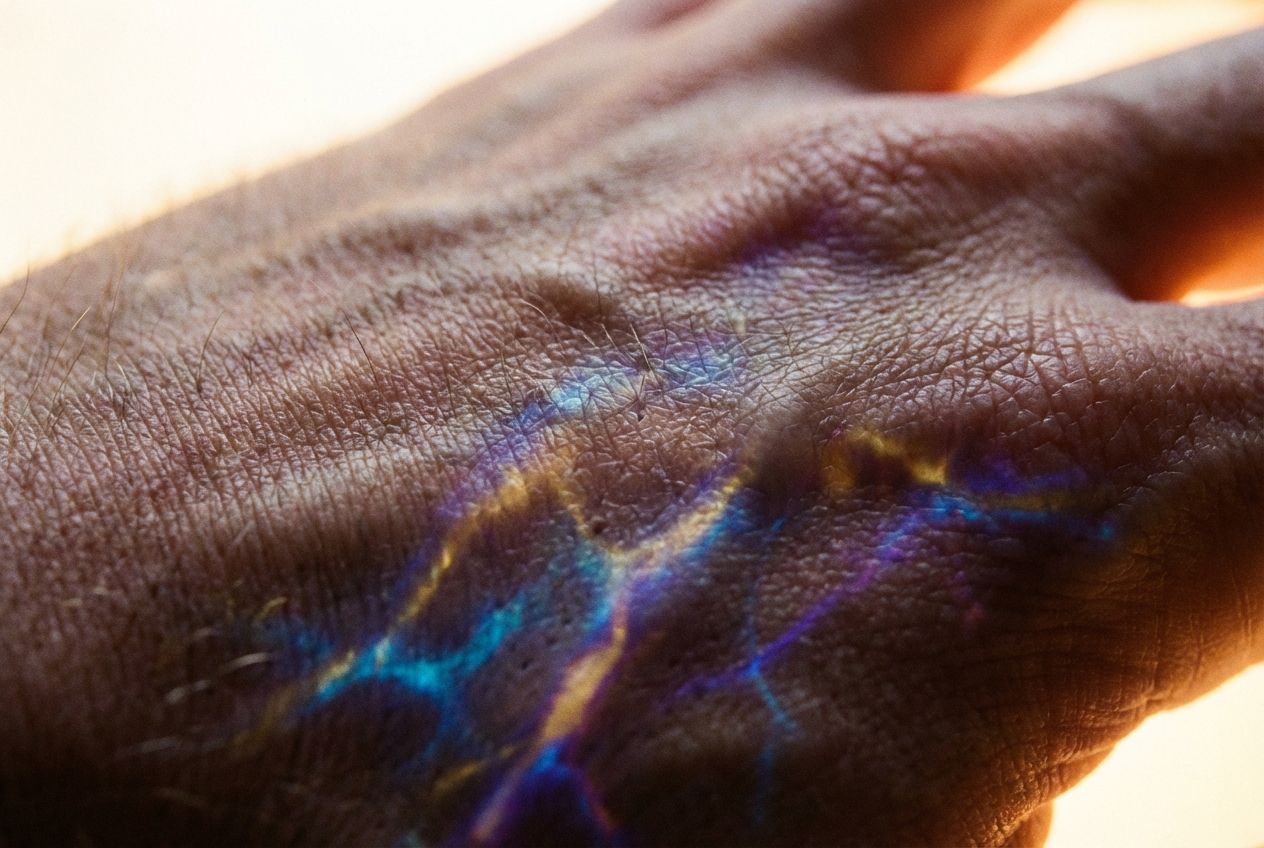
A dramatic, extreme close-up of human skin on an arm or hand, rendered with an almost microscopic, intricate texture that suggests a living, resilient barrier. Subtle veins of light or energy pulse beneath the surface, hinting at the body's active immune response and cellular defence. The image is bathed in a soft, internal glow, composed for a 3:2 landscape frame.

GCSE Biology: Human Defence Systems and Vaccination

Learn about the body's non-specific defence systems (skin, nose, trachea, stomach) and the specific immune response involving white blood cells (phagocytes and lymphocytes). Covers how vaccination provides immunity and the concept of herd immunity.
StudyStudy From HereDetails
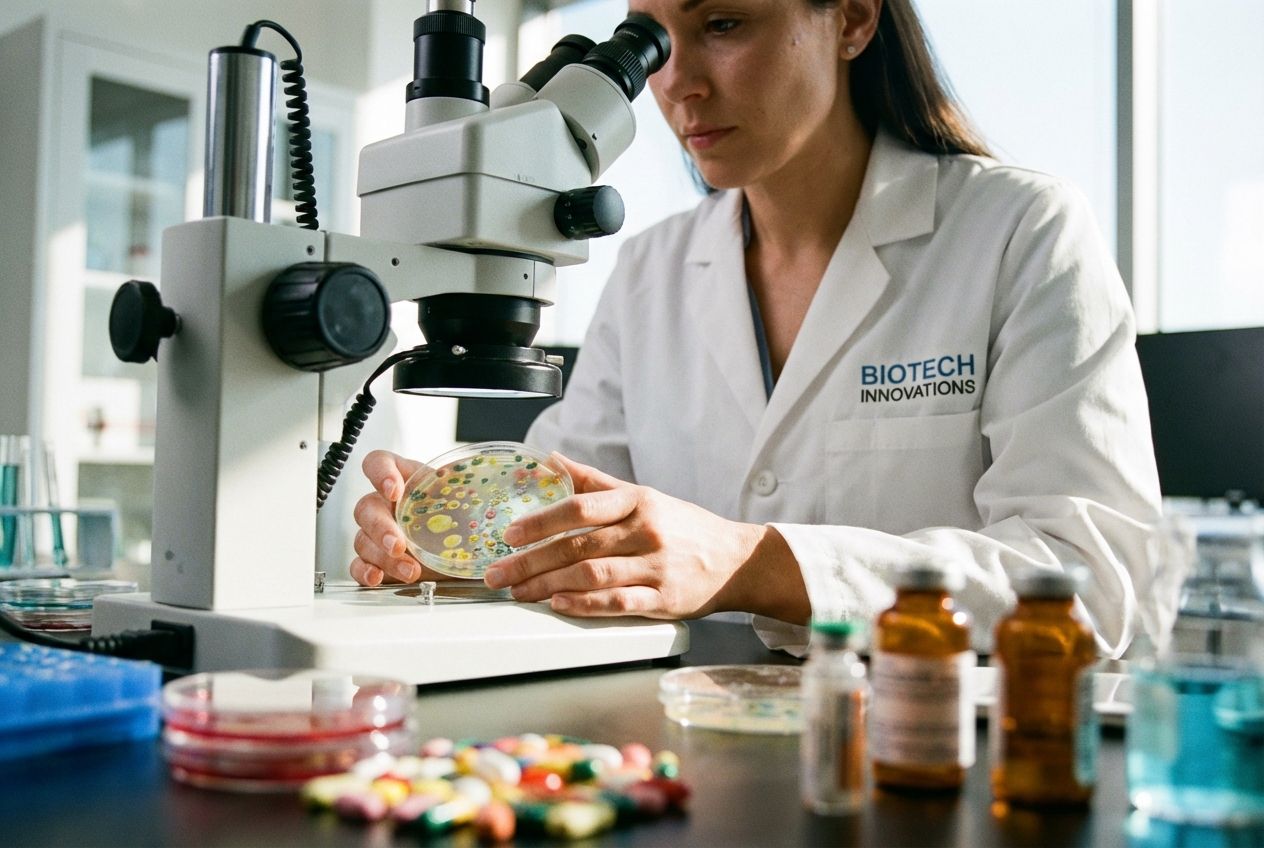
A doctor in a bright, modern lab coat examines a petri dish swarming with bacteria under a microscope, with a variety of colorful pills and medical vials arrayed on the table around them, shot with shallow depth of field.

GCSE Biology: Antibiotics, Painkillers, and Drug Development

Learn the difference between antibiotics and painkillers. Covers the problem of antibiotic resistance and the stages of modern drug development, from preclinical testing to clinical trials, including the use of placebos and double-blind trials.

StudyStudy From HereDetails
A dramatic, close-up photograph of a classic pregnancy test strip displaying a clear positive result with two distinct blue lines. The test strip lies horizontally on a soft, textured surface, with warm, diffused natural light highlighting the blue lines and creating a sense of hope and anticipation.

GCSE Biology: Monoclonal Antibodies (Higher Tier)

This Higher Tier deck covers the production of monoclonal antibodies using hybridoma cells. It explores their various uses in medicine, including pregnancy tests, disease diagnosis, and cancer treatment.
StudyStudy From HereDetails
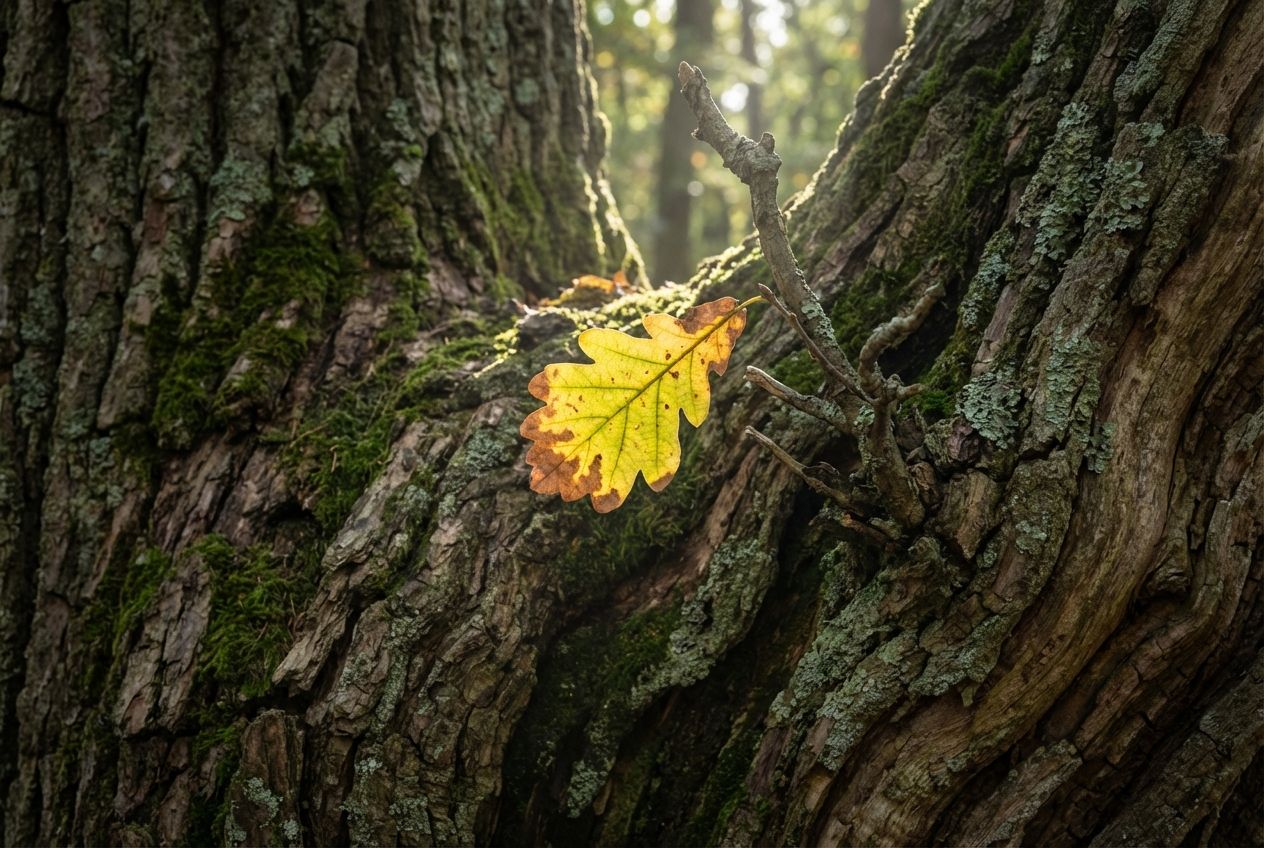
A dramatic close-up of the rough, textured bark of an ancient tree, with resilient moss and lichen growing in its crevices, symbolizing the plant's physical defences. In a small, focal area, a single, slightly yellowing leaf, still clinging to a branch, hints at the subtle signs of disease against the backdrop of strength. Shot in dappled forest light, 3:2 landscape.

GCSE Biology: Plant Diseases and Defences

Learn how to detect and identify plant diseases by observing symptoms and using testing kits. Covers the physical, chemical, and mechanical defence responses plants use to protect themselves from pathogens and pests.

StudyStudy From HereDetails
A wide-angle, dramatic photograph of ancient, towering trees in a dense forest, with powerful golden sunbeams piercing through a thick morning mist, illuminating dust motes and creating an ethereal, awe-inspiring scene of natural wonder and creation.

GCSE Biology: Photosynthesis and Limiting Factors

Learn about photosynthesis as an endothermic reaction. Covers the word and balanced symbol equations, the concept of limiting factors (light, temperature, carbon dioxide), and the uses of glucose produced by the plant. Includes the method for RP6 (investigating light intensity).

StudyStudy From HereDetails
A powerful close-up photograph of a determined athlete, mid-race, pushing through intense physical exertion. Sweat glistens on their skin as they strain, implying the struggle for oxygen and the build-up of lactic acid. The background is blurred, focusing on their raw effort and the dynamic movement, composed for a 3:2 landscape.

GCSE Biology: Aerobic and Anaerobic Respiration

Learn about respiration as an exothermic reaction that releases energy in all living cells. Covers the differences between aerobic and anaerobic respiration in animals and yeast, the body's response to exercise, and the concept of metabolism.

StudyStudy From HereDetails

Learn GCSE Biology (AQA): Paper 1 differently

Auracle is an audio-first learning platform built for busy people. Memorize anything without looking at a screen.

Hands-Free Learning

Listen, interact, and review cards entirely through audio. Perfect for commuting, walking, or at the gym.

Spaced Repetition

Auracle uses a scientific algorithm to schedule your reviews at the optimal time, ensuring you never forget what you learn.

Learn how it works

Ready to start the GCSE Biology (AQA): Paper 1 audio course?