GCSE Combined Science (AQA Trilogy): Chemistry
The entire Chemistry component for your AQA GCSE Combined Science: Trilogy exam. All ten topics and six required practicals, covering both Foundation and Higher Tiers.
Decks in this Course
10 items
AQA GCSE Combined Science: Atomic Structure and the Periodic Table
Covers the fundamental concepts of atomic structure, including the historical development of the atomic model, subatomic particles (protons, neutrons, electrons), atomic number, mass number, and isotopes. It details electron configuration for the first 20 elements and explores the structure and development of the periodic table, focusing on the properties and trends of Group 1 (alkali metals), Group 7 (halogens), and Group 0 (noble gases) as required for the AQA Combined Science Trilogy specification.
AQA GCSE Combined Science: Bonding, Structure, and Properties
Explores the three main types of chemical bonding: ionic, covalent, and metallic. This deck explains how to represent bonding and links the type of bonding and structure to the physical properties of substances. It covers ionic compounds, simple molecules, giant covalent structures (including diamond, graphite, graphene, and silicon dioxide), fullerenes, metals, and alloys. This deck strictly adheres to the AQA Combined Science Trilogy specification.
AQA GCSE Combined Science: Quantitative Chemistry
Introduces the quantitative aspects of chemistry as required for the AQA Combined Science Trilogy specification. This deck covers calculating relative formula mass (Mr), the law of conservation of mass, and balancing simple chemical equations. It introduces the concept of the mole in relation to mass and Mr, and covers calculations for the concentration of solutions in grams per cubic decimetre. It also provides a conceptual understanding of limiting reactants.

AQA GCSE Combined Science: Chemical Changes
Covers the reactivity of metals, including the reactivity series, displacement reactions, and the extraction of metals using carbon. It details the reactions of acids with metals, metal oxides, hydroxides, and carbonates. The deck explains the pH scale, neutralisation, and the distinction between strong and weak acids. It also covers the principles of electrolysis for molten ionic compounds and aqueous solutions. This deck includes Required Practical 1 (Making a Soluble Salt) and Required Practical 2 (Electrolysis of Aqueous Solutions).
AQA GCSE Combined Science: Energy Changes
Focuses on energy changes in chemical reactions. This deck defines and provides examples of exothermic and endothermic reactions. It introduces reaction profiles, explaining how to interpret and label the activation energy and the overall energy change (enthalpy change) for both types of reaction. This deck also covers Required Practical 3 (Investigating Temperature Changes in Reacting Solutions).
AQA GCSE Combined Science: The Rate and Extent of Chemical Change
Explores the factors that control the speed of chemical reactions, including temperature, concentration, pressure, and surface area, as well as the role of catalysts. The deck explains these effects using collision theory. It also covers reversible reactions and the concept of dynamic equilibrium, including how changes in conditions (temperature, pressure, concentration) can shift the position of equilibrium. This deck includes Required Practical 4 (Investigating How Concentration Affects Reaction Rate).
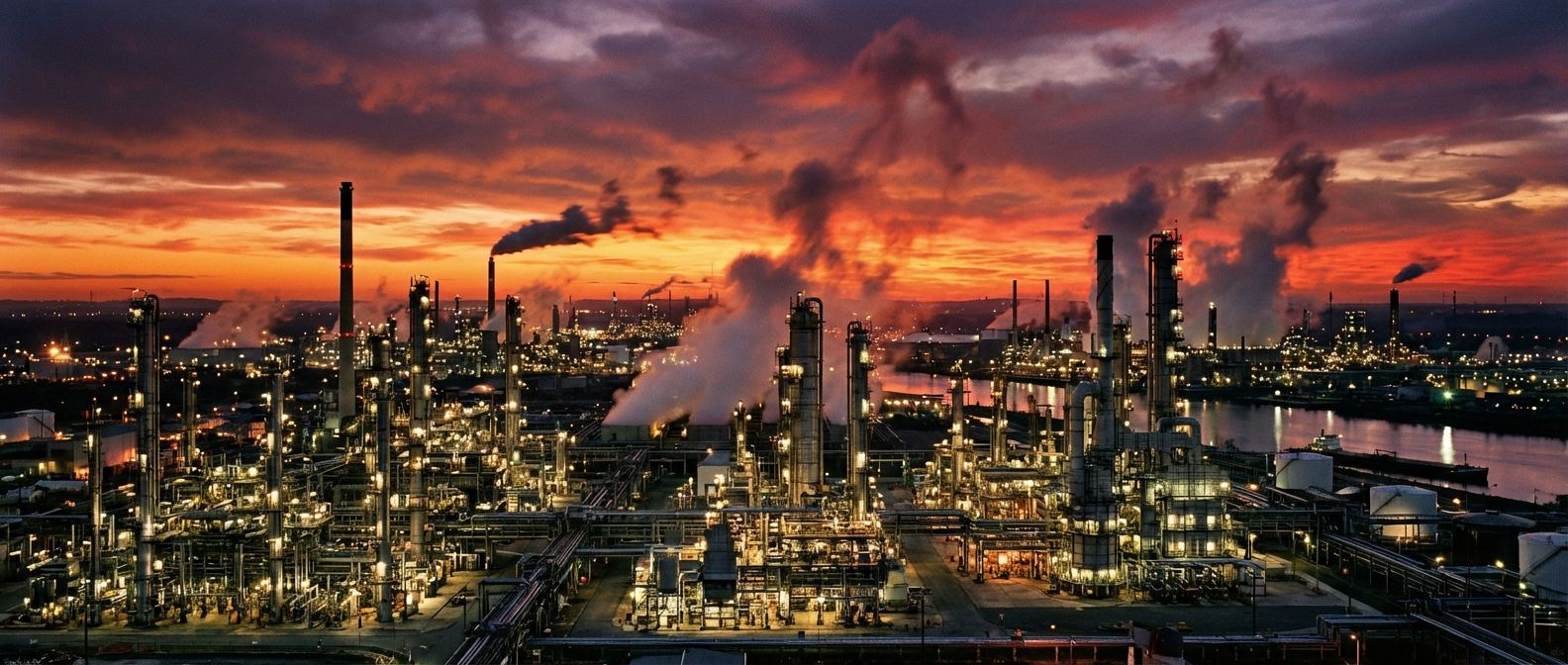
AQA GCSE Combined Science: Organic Chemistry
Introduces the chemistry of carbon compounds derived from crude oil. This deck covers hydrocarbons, the process of fractional distillation to separate crude oil, and the properties of the first four alkanes. It explains the process of cracking to produce more useful hydrocarbons, including alkenes. The properties and reactions of alkenes, including the test for unsaturation using bromine water, are also covered as required by the AQA Combined Science Trilogy specification.
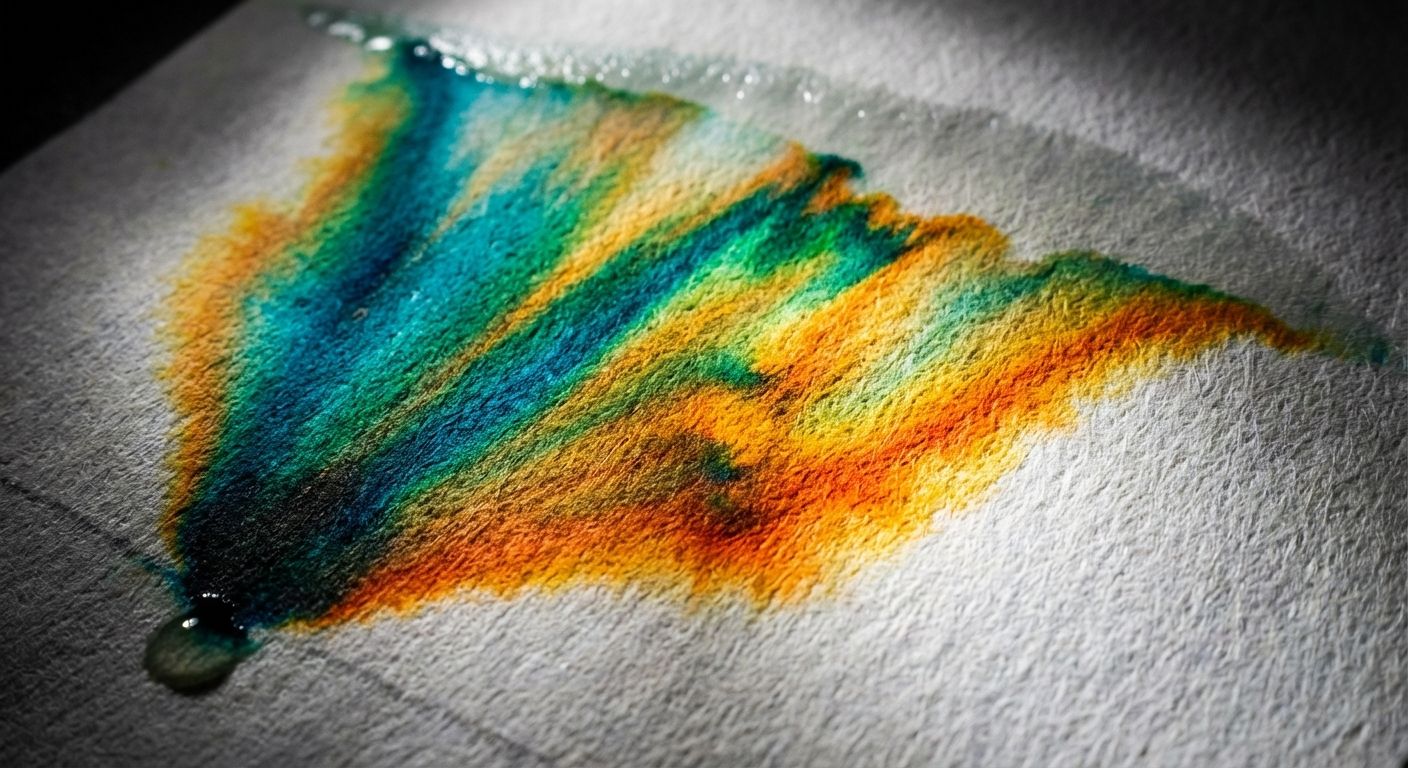
AQA GCSE Combined Science: Chemical Analysis
Covers the techniques used to identify substances. This deck defines pure substances and formulations. It details the method of paper chromatography, including the calculation of Rf values. It also provides the chemical tests required to identify hydrogen, oxygen, carbon dioxide, and chlorine gases. Finally, it covers the flame tests and precipitate tests used to identify specific metal ions, and the tests for carbonate, halide, and sulfate ions. This deck includes Required Practical 5 (Paper Chromatography).

AQA GCSE Combined Science: Chemistry of the Atmosphere
Explores the composition of the Earth's current atmosphere and theories about its evolution. This deck covers the greenhouse effect, the roles of greenhouse gases like carbon dioxide and methane, and the link between human activities and climate change. It also discusses the concept of a carbon footprint and ways to reduce it, as well as the formation and environmental impact of atmospheric pollutants from combustion, such as carbon monoxide, sulfur dioxide, and oxides of nitrogen.
AQA GCSE Combined Science: Using Resources
Covers the sustainable use of Earth's resources, including the difference between finite and renewable resources, water treatment, Life Cycle Assessments (LCAs), and Required Practical 6 (Analysis and Purification of Water Samples).
Learn GCSE Combined Science (AQA Trilogy): Chemistry differently
Auracle is an audio-first learning platform built for busy people. Memorize anything without looking at a screen.
Hands-Free Learning
Listen, interact, and review cards entirely through audio. Perfect for commuting, walking, or at the gym.
Spaced Repetition
Auracle uses a scientific algorithm to schedule your reviews at the optimal time, ensuring you never forget what you learn.
Learn how it works