GCSE History (Edexcel): Superpower Relations and the Cold War, 1941–91
This is your knowledge base for the Edexcel GCSE History paper on Superpower Relations and the Cold War, 1941–91.
Decks in this Course
3 items
GCSE History: The origins of the Cold War, 1941–58
This deck covers the breakdown of the Grand Alliance after World War Two and the initial development of the Cold War. It includes the key post-war conferences, ideological clashes, the impact of the atomic bomb, the division of Europe, the Truman Doctrine, the Marshall Plan, the Berlin Blockade and Airlift, the formation of NATO and the Warsaw Pact, and the Hungarian Uprising of 1956.
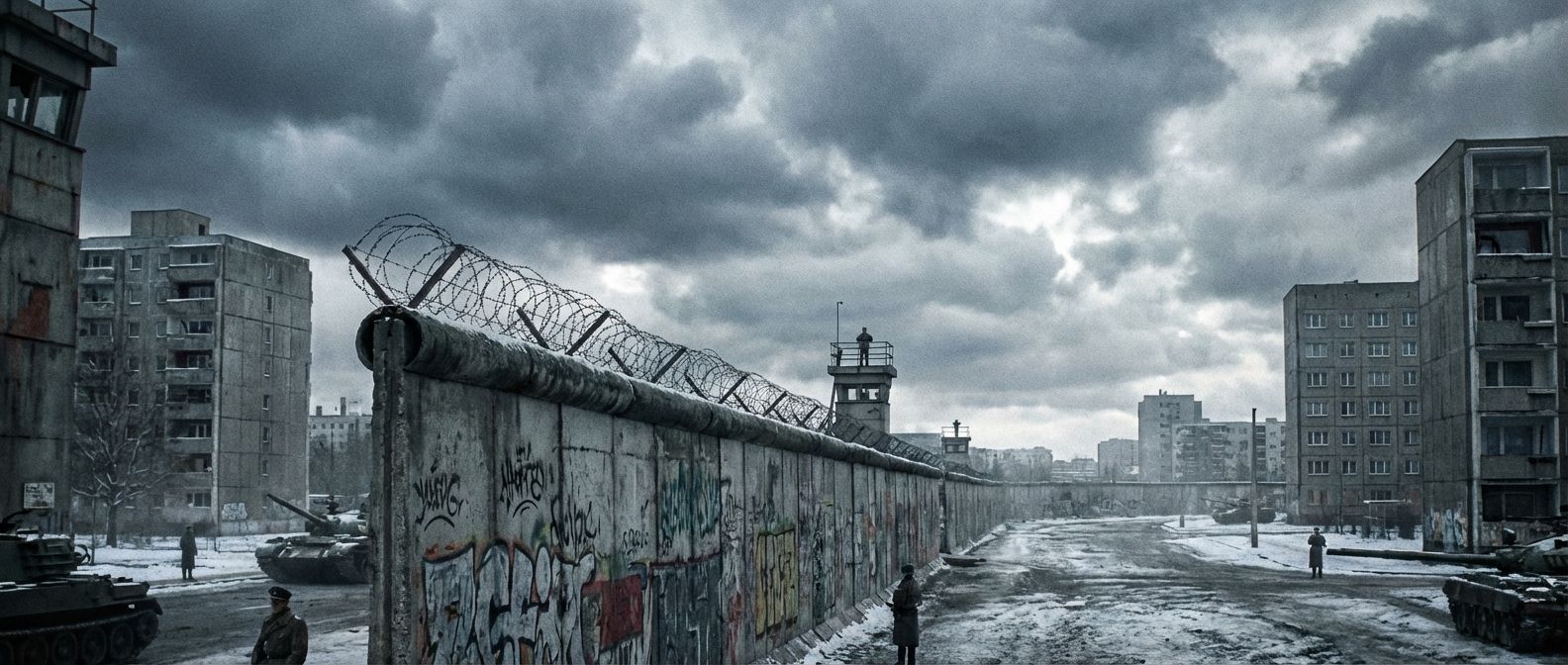
GCSE History: Cold War crises, 1958–70
This deck covers the period of intense superpower confrontation from 1958 to 1970. It focuses on three key crises: the Berlin Crisis, which led to the building of the Berlin Wall; the Cuban Missile Crisis, which brought the world to the brink of nuclear war; and the Prague Spring in Czechoslovakia. You will learn the causes, events, and consequences of these crises, and the first attempts at arms control that followed.
GCSE History: The end of the Cold War, 1970–91
This deck covers the final two decades of the Cold War, from the period of détente in the 1970s to the collapse of the Soviet Union. It includes the SALT treaties, the Helsinki Accords, the Soviet invasion of Afghanistan, the 'Second Cold War' under Reagan, Gorbachev's reforms, the fall of the Berlin Wall, and the dissolution of the Warsaw Pact and the USSR.
Learn GCSE History (Edexcel): Superpower Relations and the Cold War, 1941–91 differently
Auracle is an audio-first learning platform built for busy people. Memorize anything without looking at a screen.
Hands-Free Learning
Listen, interact, and review cards entirely through audio. Perfect for commuting, walking, or at the gym.
Spaced Repetition
Auracle uses a scientific algorithm to schedule your reviews at the optimal time, ensuring you never forget what you learn.
Learn how it works