Auracle
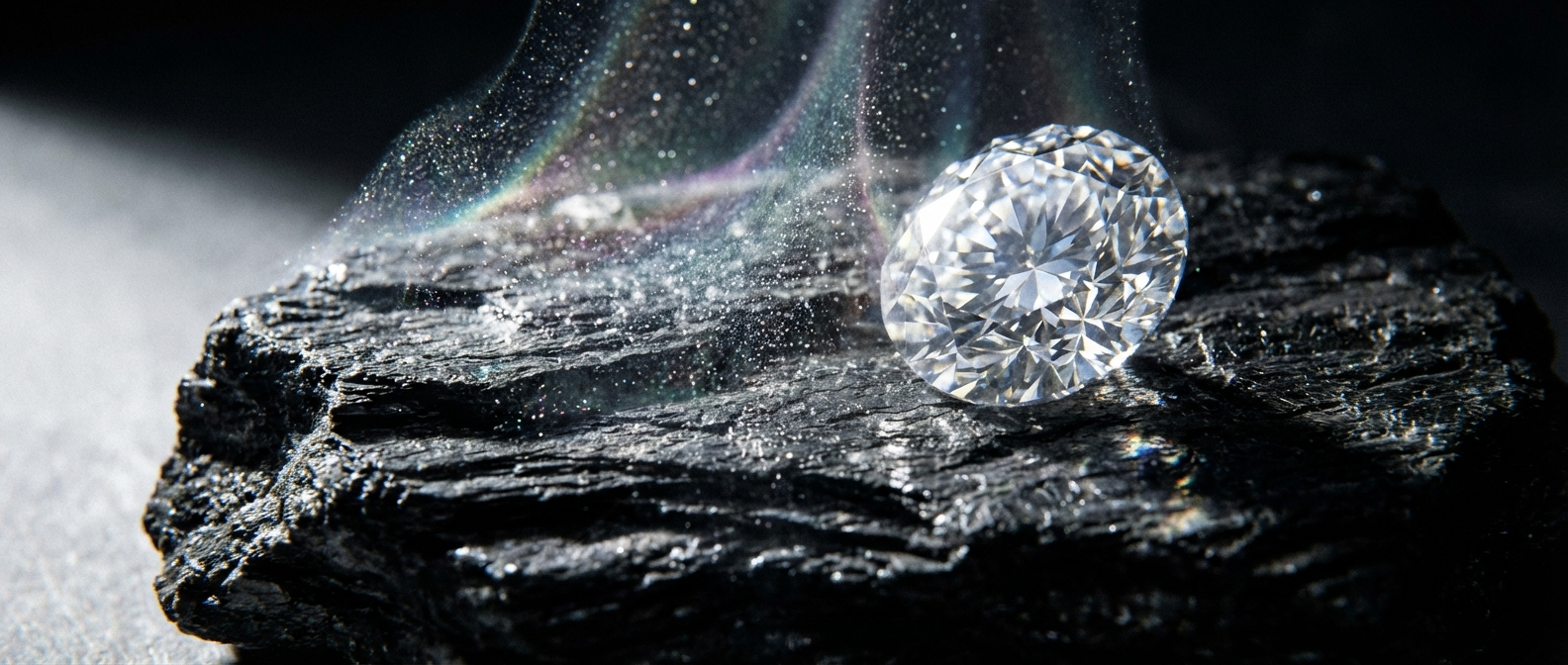
A dramatic, wide-angle close-up photograph of a brilliant, perfectly cut diamond resting on a rough, dark, layered chunk of graphite. A translucent, ethereal shimmer, like a fine mist or film, emanates from the graphite, suggesting the presence of graphene and nanoparticles. The scene is lit with strong, contrasting light, highlighting textures and sparkle for a vivid visual.
CoursePublicCreated 27/03/2026

GCSE Chemistry (AQA): Paper 1

This is everything you need for AQA GCSE Chemistry Paper 1, from atomic structure and bonding right through to quantitative chemistry and energy changes. All Higher Tier content is included.

Total Decks
20
Course Completion
0%
0/20 Decks
Answer Language
en-GB
Course Completion
0%
0/20 Decks

Decks in this Course

20 items
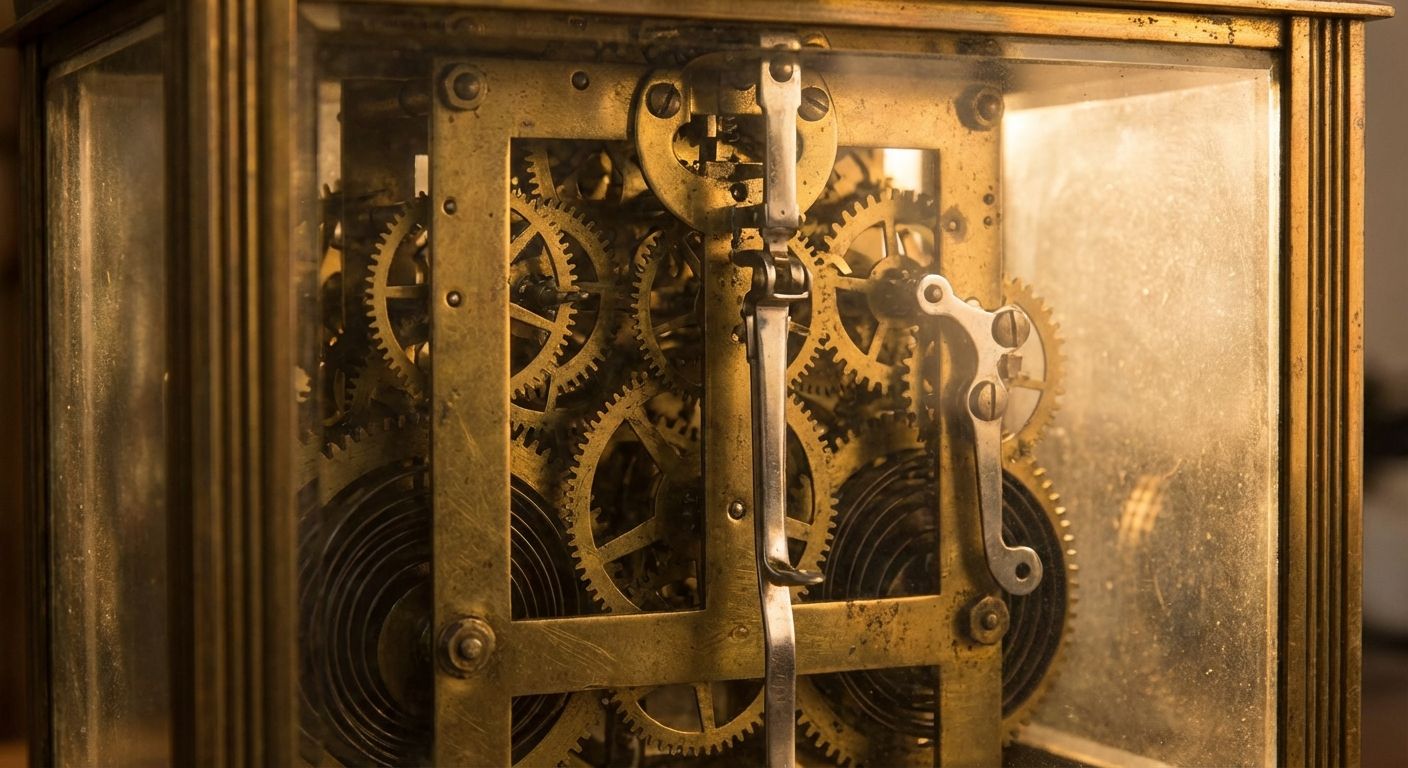
A complex array of interlocking brass gears and levers inside an antique clock mechanism, bathed in warm, diffused light, highlighting the intricate details and the interplay of motion.

AQA GCSE Chemistry: Understand Atomic Structure

Covers the modern nuclear model of the atom, the properties of protons, neutrons, and electrons, and how to determine their numbers in atoms and ions. Also covers isotopes, relative atomic mass, and electronic structure.
StudyStudy From HereDetails
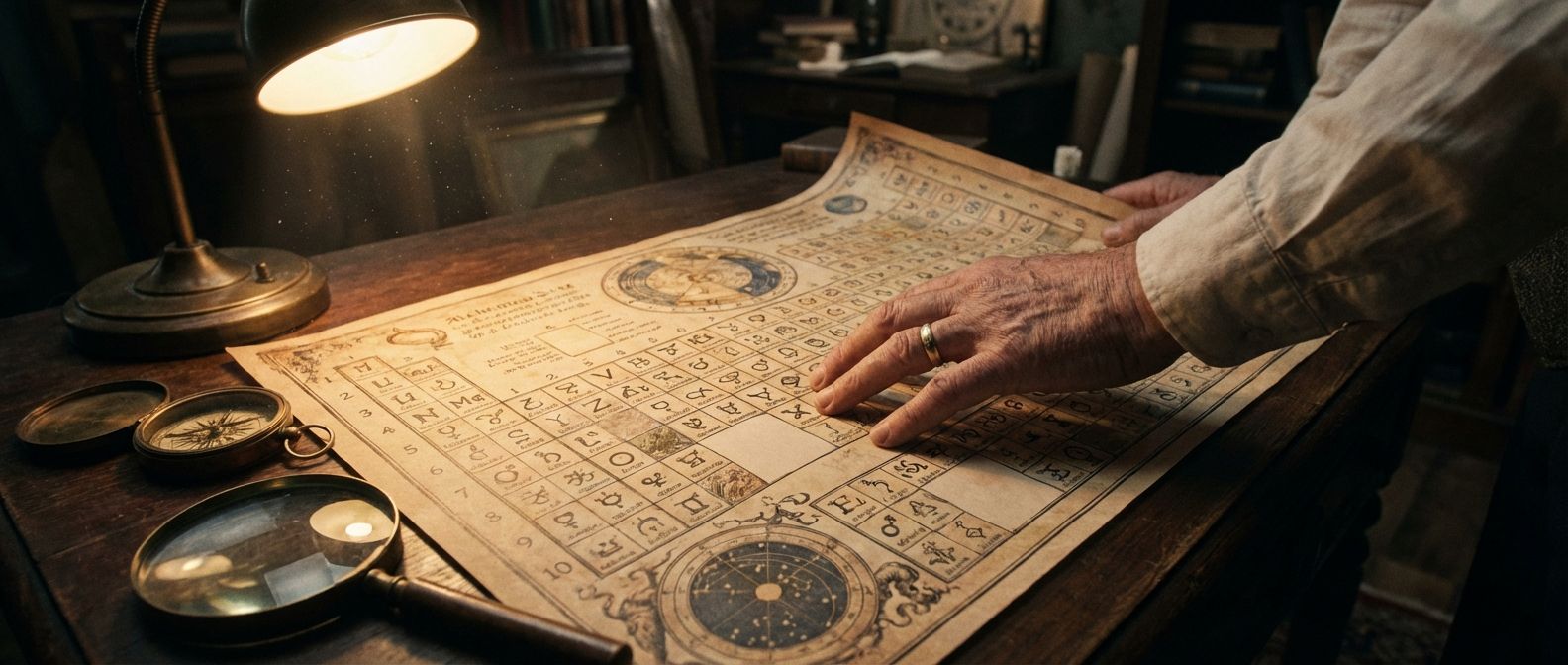
A dramatic, wide-angle photograph of an antique, beautifully illustrated chart unfurled on a dark wooden table. The chart, resembling a complex grid or map with intricate symbols and some deliberately blank areas, is being gently traced by an older hand. An antique brass compass and a magnifying glass rest nearby, all bathed in the focused, warm light of a desk lamp, evoking a sense of scientific discovery and hidden order.

AQA GCSE Chemistry: Navigate the Periodic Table

Covers the arrangement of the periodic table by atomic number, the work of Mendeleev, and the location of metals and non-metals. Explains how an element's position relates to its electronic structure.

StudyStudy From HereDetails
A wide-angle photograph of a serene, perfectly still lake at dawn, its surface like glass, reflecting the soft light, symbolizing inert stability. In the foreground, a single, luminous dewdrop hangs precariously from a delicate leaf, ready to fall, while nearby, an intricate spiderweb shimmers, poised to elegantly capture a single drop, illustrating different forms of reactivity.

AQA GCSE Chemistry: Explain Group Properties (0, 1, and 7)

Covers the properties and trends in reactivity for Group 1 (Alkali Metals), Group 7 (Halogens), and Group 0 (Noble Gases), linking these properties to their electronic structures.
StudyStudy From HereDetails
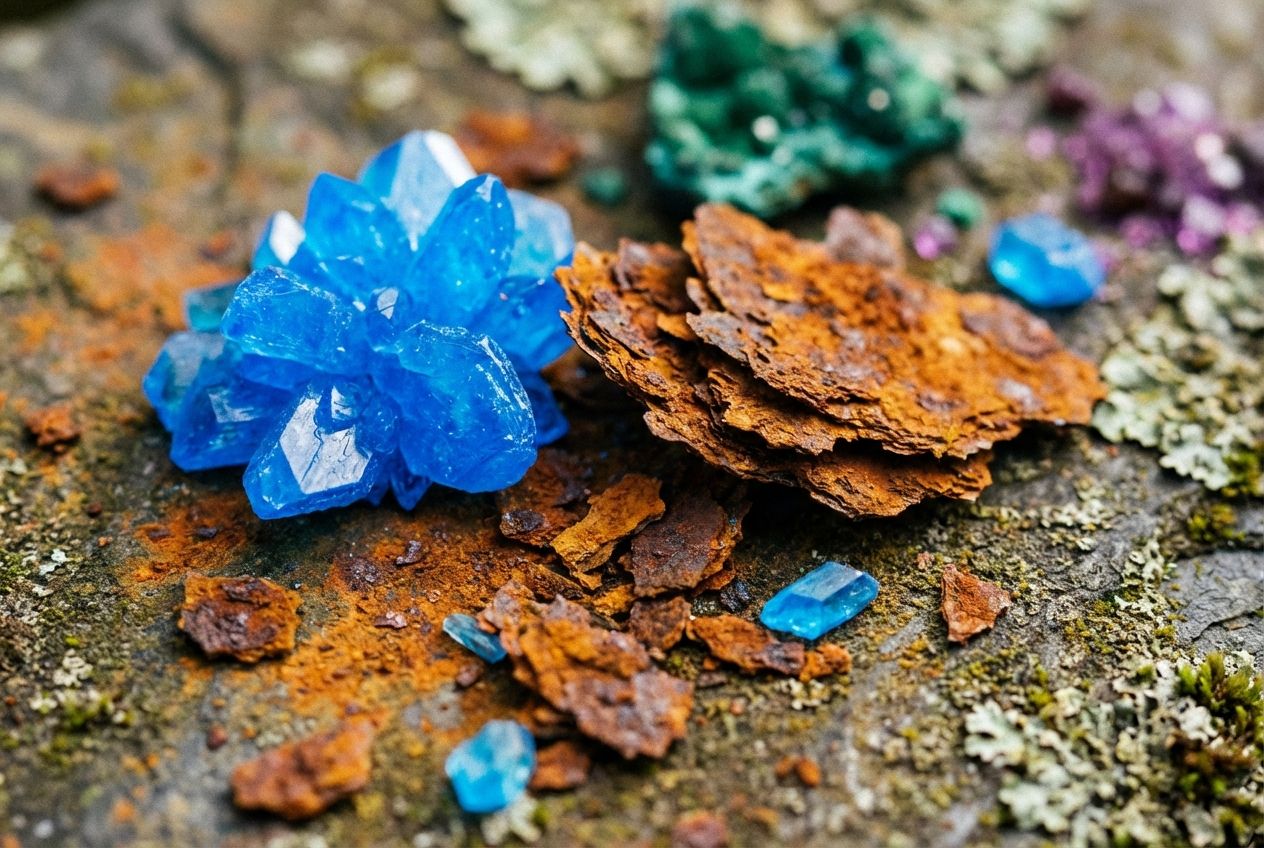
A dramatic, close-up photograph showcasing the vibrant, distinct colours of transition metal compounds, featuring brilliant blue copper sulfate crystals next to rich, earthy orange-brown rust (iron oxide). The scene is bathed in natural light, emphasizing the crystalline and textured surfaces, composed for a wide 3:2 landscape frame.

AQA GCSE Chemistry: Identify Properties of Transition Metals

This deck covers the typical properties of transition metals, such as high density, high melting points, and low reactivity. It focuses on their special characteristics, including their roles as catalysts, their ability to form ions with different charges, and their formation of coloured compounds, comparing them throughout with Group 1 metals.
StudyStudy From HereDetails
A close-up, dramatic photograph of an intense electrical arc leaping between two distinct, polished metallic electrodes, with intricate, glowing energy pathways intertwining and branching out from the central arc. The entire scene is bathed in a vibrant, ethereal glow, creating a sense of powerful connection and dynamic forces at play, composed for a 3:2 landscape frame.

AQA GCSE Chemistry: Master Chemical Bonding (Ionic, Covalent, Metallic)

Covers the three main types of chemical bonding: ionic (transfer of electrons), covalent (sharing of electrons), and metallic (delocalised electrons). Includes understanding representations like dot and cross diagrams.
StudyStudy From HereDetails
A close-up shot of a glowing crucible containing molten metal, with sparks flying and dramatic lighting, to visualize the energy involved in chemical reactions.

AQA GCSE Chemistry: Link Structure to Properties

Explains how the type of bonding and structure determines the physical properties (melting point, boiling point, conductivity) of a substance. Covers ionic compounds, small molecules, polymers, giant covalent structures, and metals/alloys.
StudyStudy From HereDetails
A dramatic, wide-angle close-up photograph of a brilliant, perfectly cut diamond resting on a rough, dark, layered chunk of graphite. A translucent, ethereal shimmer, like a fine mist or film, emanates from the graphite, suggesting the presence of graphene and nanoparticles. The scene is lit with strong, contrasting light, highlighting textures and sparkle for a vivid visual.

AQA GCSE Chemistry: Explore Carbon Allotropes and Nanoparticles

Covers the structure and properties of diamond, graphite, graphene, and fullerenes. Also introduces nanoparticles, their properties based on a high surface area to volume ratio, and their uses and risks.

StudyStudy From HereDetails
A dramatic, low-angle photograph of an ornate, antique brass balance scale perfectly in equilibrium. On one pan, a collection of unique, polished geological crystals and minerals. On the other pan, a delicate, glowing plume of steam or smoke gracefully rises from an open, antique glass flask, its ethereal presence perfectly balancing the solid elements. The scene is lit with moody, scientific lighting against a dark, atmospheric background, composed for a 3:2 landscape frame.

AQA GCSE Chemistry: Calculate Relative Formula Mass and Understand Conservation of Mass

Covers the law of conservation of mass, balancing simple symbol equations, and calculating relative formula mass (Mr). Explains apparent mass changes in non-enclosed systems involving gases.
StudyStudy From HereDetails
A dramatic, high-contrast photograph of a vintage analytical balance scale in an elegant, dimly lit laboratory setting. On one pan, a meticulously arranged, shimmering pile of countless tiny, identical, golden spheres, representing atoms or molecules. On the other pan, a single, precisely calibrated weight, perfectly balancing the vast quantity of spheres, emphasizing precision and the abstract nature of chemical measurement, composed for a 3:2 landscape frame with soft, focused lighting.

AQA GCSE Chemistry: Use Moles in Calculations (Higher Tier)

Introduces the mole as a unit for the amount of substance. Covers calculations using mass, Mr, and moles. Explains how to use moles to balance equations and determine the limiting reactant in a reaction.
StudyStudy From HereDetails
A wide-angle, dramatic photograph of a pristine, modern chemistry laboratory bench. In the foreground, a clear glass beaker holds a vivid, deeply colored solution, with delicate, shimmering crystals actively precipitating and settling at the bottom. A precise, digital scale sits nearby, with a small, perfectly formed pile of extracted crystals on its pan, symbolizing exact measurement and efficient yield. The scene is brightly lit, emphasizing clarity and precision, 3:2 landscape.

AQA GCSE Chemistry: Calculate Concentration, Yield, and Atom Economy

Covers how to calculate the concentration of a solution in grams per decimetre cubed. Introduces and explains how to calculate percentage yield and atom economy for a chemical reaction.
StudyStudy From HereDetails
A wide, horizontal photograph of several perfectly identical, minimalist glass vessels of varying sizes, some containing clear liquids with subtly different concentrations of fine, shimmering particles, others appearing empty but with a barely perceptible, uniform, ethereal glow within, all meticulously arranged on a clean, light-coloured surface under soft, diffused light, emphasizing precision and the concept of quantifiable matter in defined spaces.

AQA GCSE Chemistry: Master Molar Solutions and Gas Volumes (Higher Tier)

Covers calculating concentration in moles per decimetre cubed and converting between mol/dm³ and g/dm³. Also covers calculations involving the volume of gases, using the molar gas volume.
StudyStudy From HereDetails
A dramatic, high-contrast close-up photograph of an old iron nail partially submerged in a vibrant blue copper sulfate solution in a clear glass beaker. Fresh, reddish-brown copper deposits are visibly forming on the submerged part of the nail, showcasing a chemical displacement reaction, composed for a 3:2 landscape frame. The scene is lit to emphasize the texture of the materials and the striking color transformation.

AQA GCSE Chemistry: Understand the Reactivity Series and Redox

Covers the reactivity series of metals, including their reactions with acid and water. Explains displacement reactions and the extraction of metals. Defines oxidation and reduction in terms of both oxygen and electrons (OILRIG).
StudyStudy From HereDetails
A wide, cinematic photograph of vast, shimmering salt flats at sunrise or sunset, casting long, dramatic shadows and reflecting the sky. Intricate patterns of salt crystals stretch across the horizontal frame, suggesting natural chemical transformation and the beautiful outcome of 'salt production'.

AQA GCSE Chemistry: Learn about Acids, Alkalis, and Salt Production

Covers the reactions of acids with metals, metal oxides, metal hydroxides, and metal carbonates to produce salts. Includes the pH scale, neutralisation, and the definition of strong and weak acids in terms of ionisation for Higher Tier students.
StudyStudy From HereDetails
A dramatic, wide-angle photograph of molten lead, shimmering and flowing, with reddish-brown bromine gas distinctly rising from a nearby electrode. Bright, energetic light illuminates the chemical transformation in a dark, industrial setting.

AQA GCSE Chemistry: Explain the Process of Electrolysis

Explains the process of electrolysis, including key terms. Covers the prediction of products from the electrolysis of molten ionic compounds and aqueous solutions. Includes writing half equations for reactions at the electrodes (Higher Tier).
StudyStudy From HereDetails
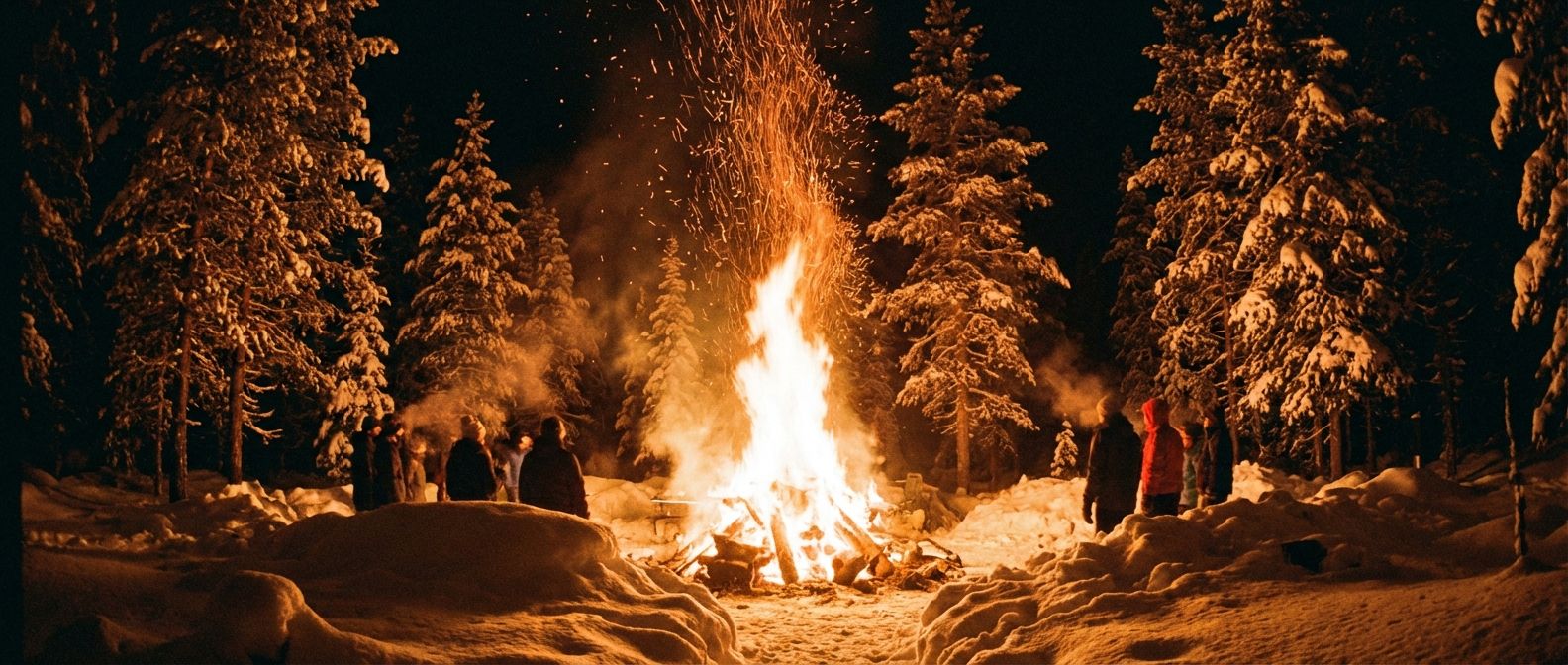
A dramatic wide-angle photograph of a roaring bonfire at night in a snowy forest. Intense flames and sparks fly upwards, casting warm, orange light onto the surrounding dark trees and glistening snow, evoking both intense heat release and the stark contrast with cold surroundings.

AQA GCSE Chemistry: Understand Energy Changes in Reactions

Defines exothermic and endothermic reactions. Covers the interpretation of reaction profiles, including activation energy. Includes calculating overall energy change from bond energies (Higher Tier).

StudyStudy From HereDetails
A dramatic close-up photograph of a sleek, metallic, futuristic hydrogen fuel cell device, from which a pristine stream of pure water elegantly flows into a calm, reflective pool. Soft, ethereal light emanates from within the device, highlighting the clean energy output against a dark, atmospheric background, composed for a 3:2 landscape frame.

AQA GCSE Chemistry: Explore Chemical Cells and Fuel Cells

Explains how a simple chemical cell is made and how voltage depends on the metals used. Covers the operation of a hydrogen fuel cell, including the reactions at the electrodes and its advantages and disadvantages.
StudyStudy From HereDetails
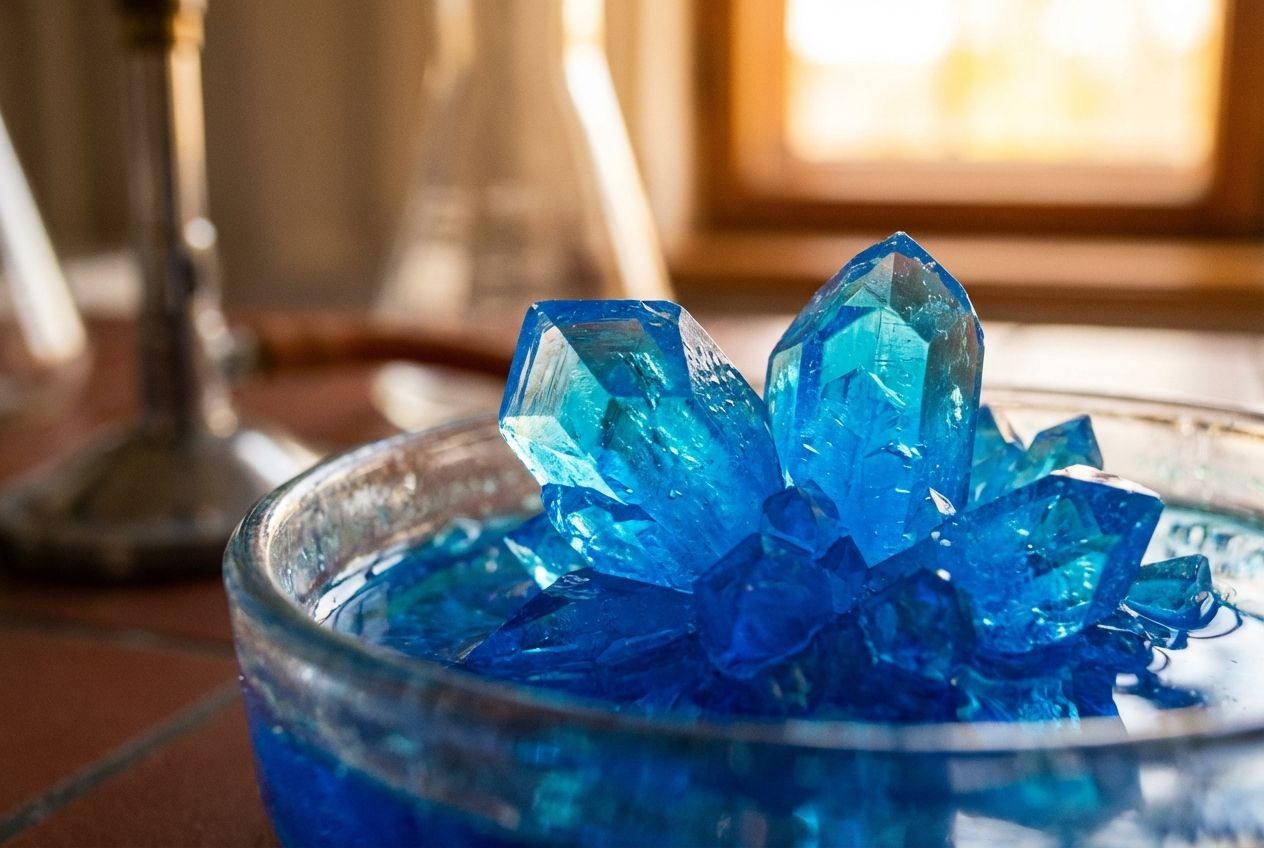
An extreme close-up photograph of vibrant, pure blue copper sulfate crystals glistening and forming in an evaporating basin, with a soft, blurred background hinting at laboratory equipment and warm light. The composition is a 3:2 landscape, emphasizing the intricate beauty of the formed crystals.

AQA GCSE Chemistry: Required Practical - Making a Soluble Salt

Covers the method for preparing a pure, dry sample of a soluble salt from an insoluble base or carbonate. Includes the reasons for each step, such as using an excess of the base, filtration, and crystallisation.
StudyStudy From HereDetails
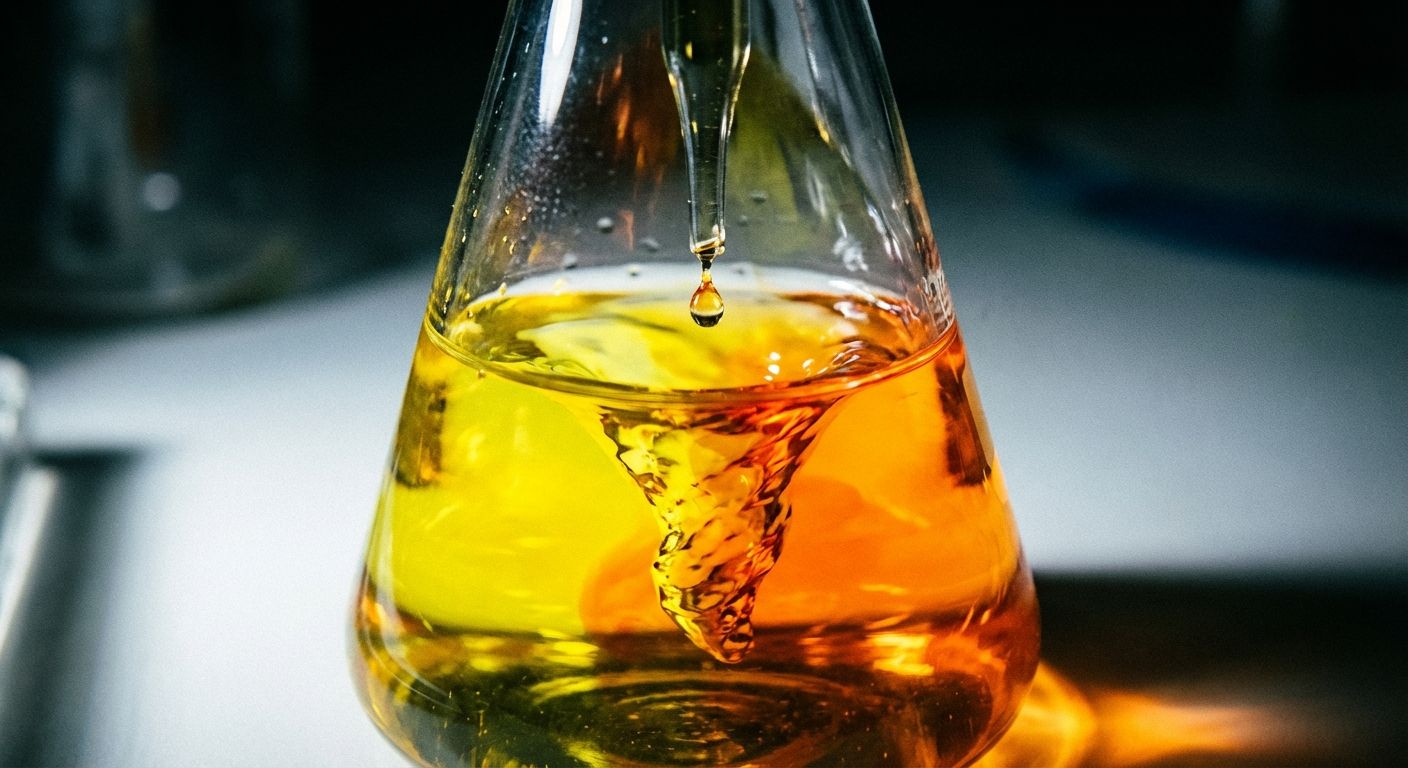
An extreme close-up, dramatic photograph captures a chemical titration in progress. A burette precisely drips liquid into a swirling conical flask, where a vibrant yellow solution is just transitioning to a striking orange, signaling the endpoint. The scene is illuminated with focused, scientific light, emphasizing the vivid color change and precision.

AQA GCSE Chemistry: Required Practical - Titration

Learn the method for the required practical on titration. This deck covers the correct use of a pipette and burette, the role of indicators, how to obtain accurate and reliable results, and the calculations needed to determine the concentration of a solution.
StudyStudy From HereDetails
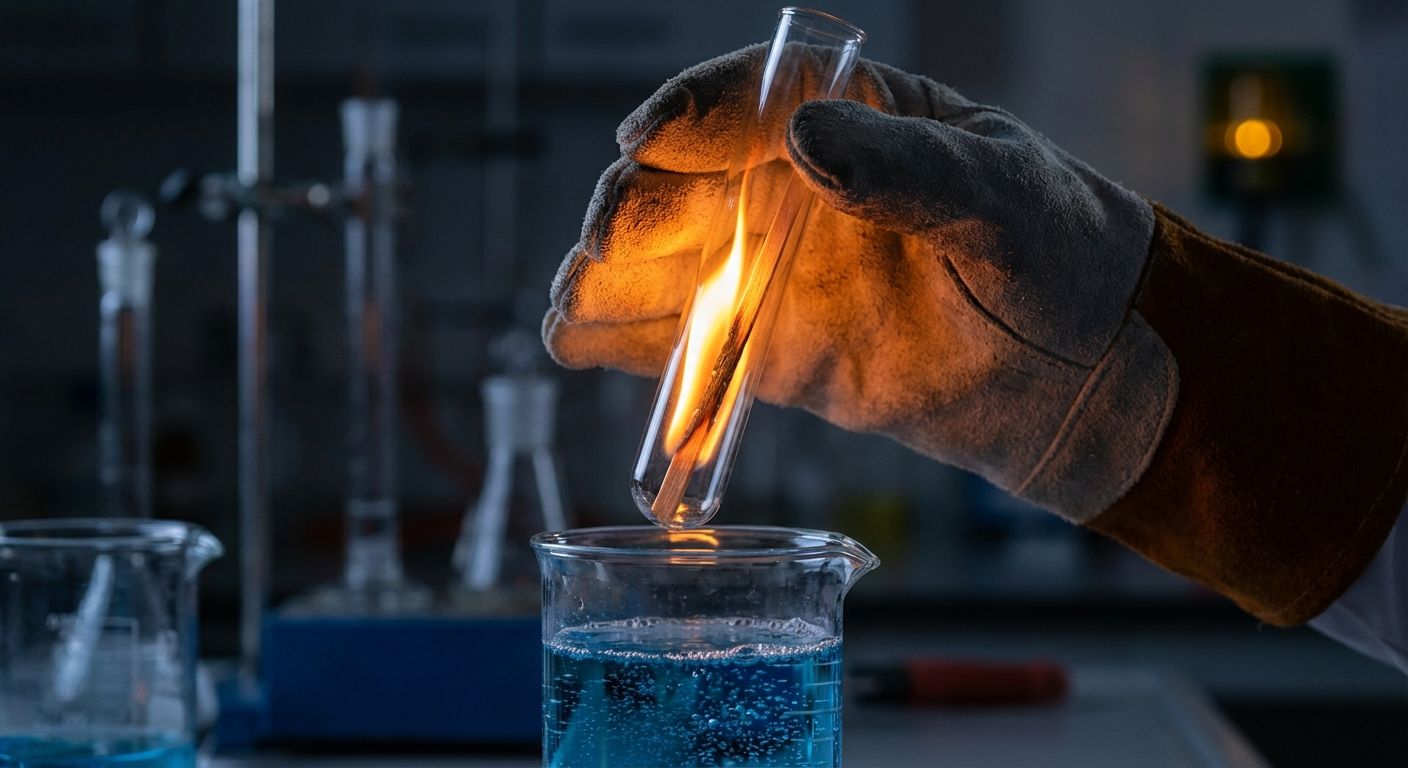
A dramatic close-up photograph of a glowing wooden splint flaring brightly inside an inverted glass test tube, held by a gloved hand, indicating the presence of oxygen gas, with subtle bubbles rising from an aqueous solution below in a dimly lit science laboratory.

AQA GCSE Chemistry: Required Practical - Electrolysis of Aqueous Solutions

Covers the method for investigating the products of electrolysing different aqueous solutions using inert electrodes. Includes how to set up the apparatus, collect and test any gases produced, and observe changes.
StudyStudy From HereDetails
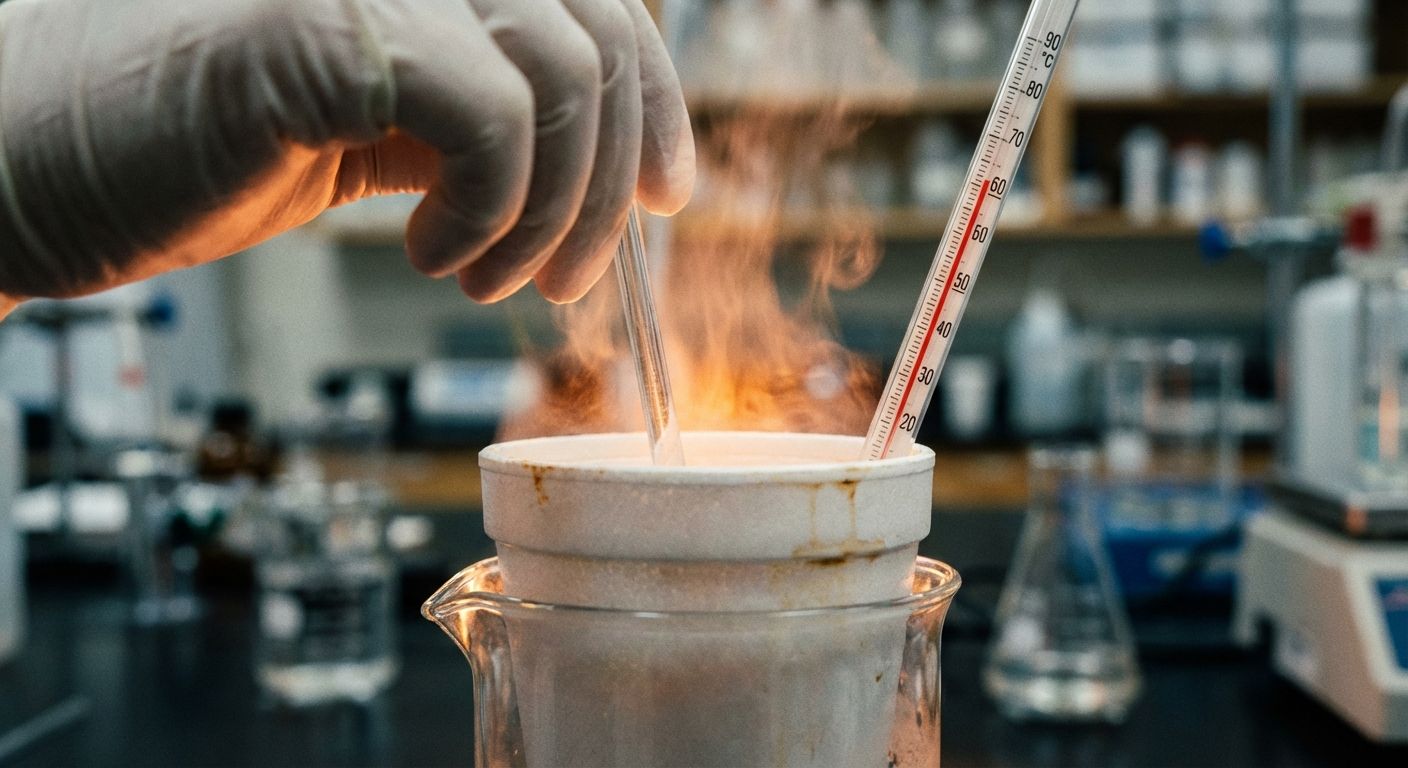
A dramatic, cinematic close-up photograph of a hand gently stirring a liquid inside a white polystyrene cup, which is nested within a clear glass beaker. A laboratory thermometer is immersed in the liquid, its mercury column visibly rising, and a subtle, warm glow or wisp of steam emanates from the solution, suggesting an exothermic reaction. The background is a softly blurred laboratory setting, emphasizing the focus on precision and heat transfer.

AQA GCSE Chemistry: Required Practical - Investigating Temperature Changes

Covers the method for investigating variables that affect temperature changes in reacting solutions, such as neutralisation. Includes how to measure temperature change accurately and reduce heat loss.

StudyStudy From HereDetails

Learn GCSE Chemistry (AQA): Paper 1 differently

Auracle is an audio-first learning platform built for busy people. Memorize anything without looking at a screen.

Hands-Free Learning

Listen, interact, and review cards entirely through audio. Perfect for commuting, walking, or at the gym.

Spaced Repetition

Auracle uses a scientific algorithm to schedule your reviews at the optimal time, ensuring you never forget what you learn.

Learn how it works

Ready to start the GCSE Chemistry (AQA): Paper 1 audio course?