GCSE History (Edexcel): Medicine & the Western Front
This is 800 years of medical history, plus the trenches of the Western Front, drilled for your Edexcel GCSE History exam.
Decks in this Course
5 items
GCSE History: c1250–c1500: Medicine in medieval England
This deck covers all specification content for medieval medicine. It includes supernatural and rational ideas about the causes of disease (Four Humours, miasma), approaches to treatment (bloodletting, purging, herbal remedies), the roles of physicians, apothecaries, and barber surgeons, and a detailed case study on the Black Death of 1348-49, focusing on contemporary explanations and attempts at prevention.
GCSE History: c1500–c1700: The Medical Renaissance in England
This deck covers the Medical Renaissance, focusing on continuity and change in ideas about illness. It explores the rise of a scientific approach through the work of Thomas Sydenham, the impact of the printing press and the Royal Society, and improvements in anatomy due to Vesalius. It includes case studies on William Harvey's discovery of blood circulation and the response to the Great Plague in London in 1665.
GCSE History: c1700–c1900: Medicine in eighteenth- and nineteenth-century Britain
This deck covers the major medical breakthroughs of the 18th and 19th centuries. It details the impact of Pasteur's Germ Theory and Koch's work on microbes, improvements in hospital care led by Florence Nightingale, the revolution in surgery caused by anaesthetics and antiseptics, and new approaches to prevention like the 1875 Public Health Act. Case studies focus on Jenner's development of vaccination and John Snow's work during the 1854 cholera outbreak.
GCSE History: c1900–present: Medicine in modern Britain
This deck covers medicine from 1900 to the present day. It explores modern understandings of disease, including genetic and lifestyle factors, and improvements in diagnosis through technology like scans and blood tests. It examines the impact of the NHS, advances in medicines like magic bullets and antibiotics, and new prevention methods like mass vaccination and government campaigns. Case studies cover the development of penicillin by Fleming, Florey, and Chain, and the 21st-century fight against lung cancer.
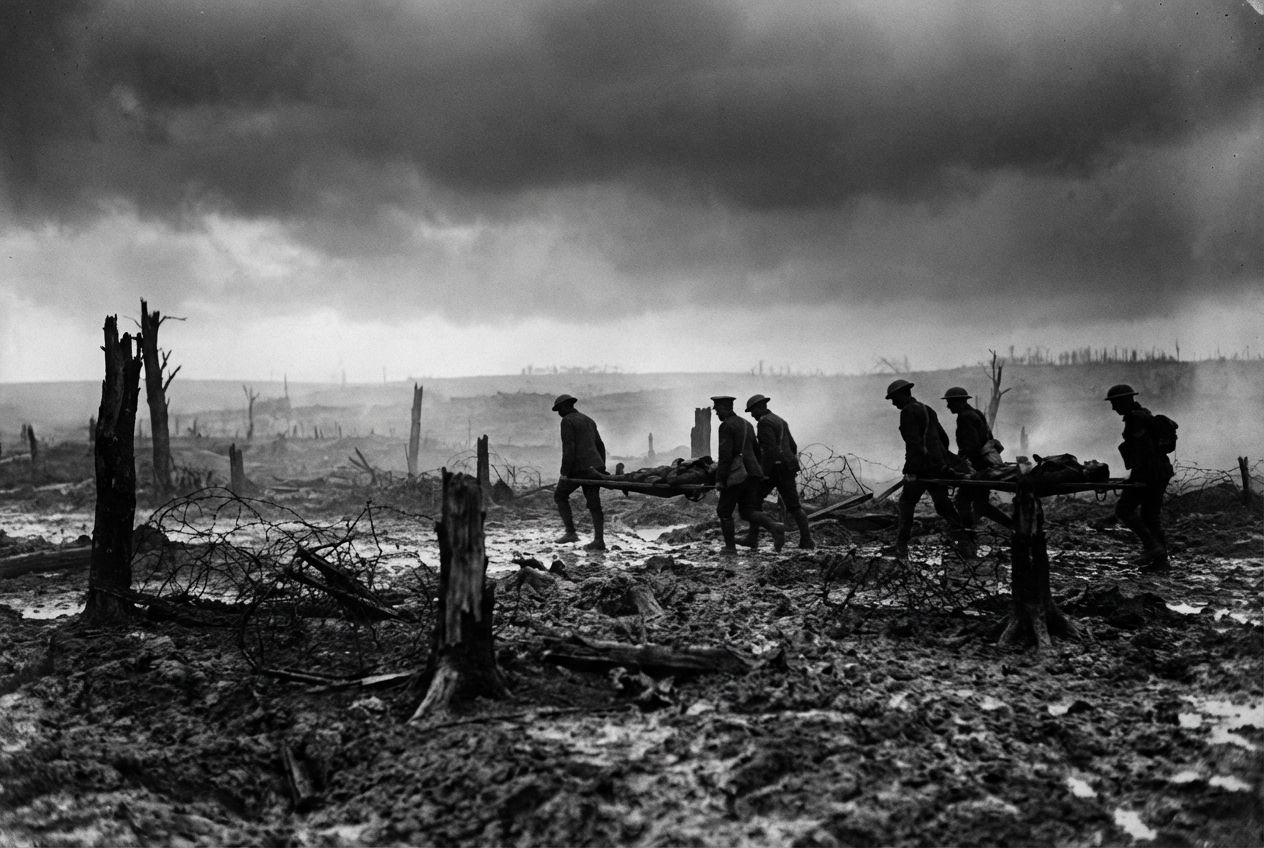
GCSE History: The British sector of the Western Front, 1914–18: injuries, treatment and the trenches
A detailed study of the medical challenges and innovations on the Western Front during World War One. This deck covers trench conditions, common injuries and illnesses, the chain of evacuation, and key developments like the Thomas splint, X-rays, and blood banks, preparing you for the historic environment section of your GCSE History exam.
Learn GCSE History (Edexcel): Medicine & the Western Front differently
Auracle is an audio-first learning platform built for busy people. Memorize anything without looking at a screen.
Hands-Free Learning
Listen, interact, and review cards entirely through audio. Perfect for commuting, walking, or at the gym.
Spaced Repetition
Auracle uses a scientific algorithm to schedule your reviews at the optimal time, ensuring you never forget what you learn.
Learn how it works